Proxemics
TL;DR
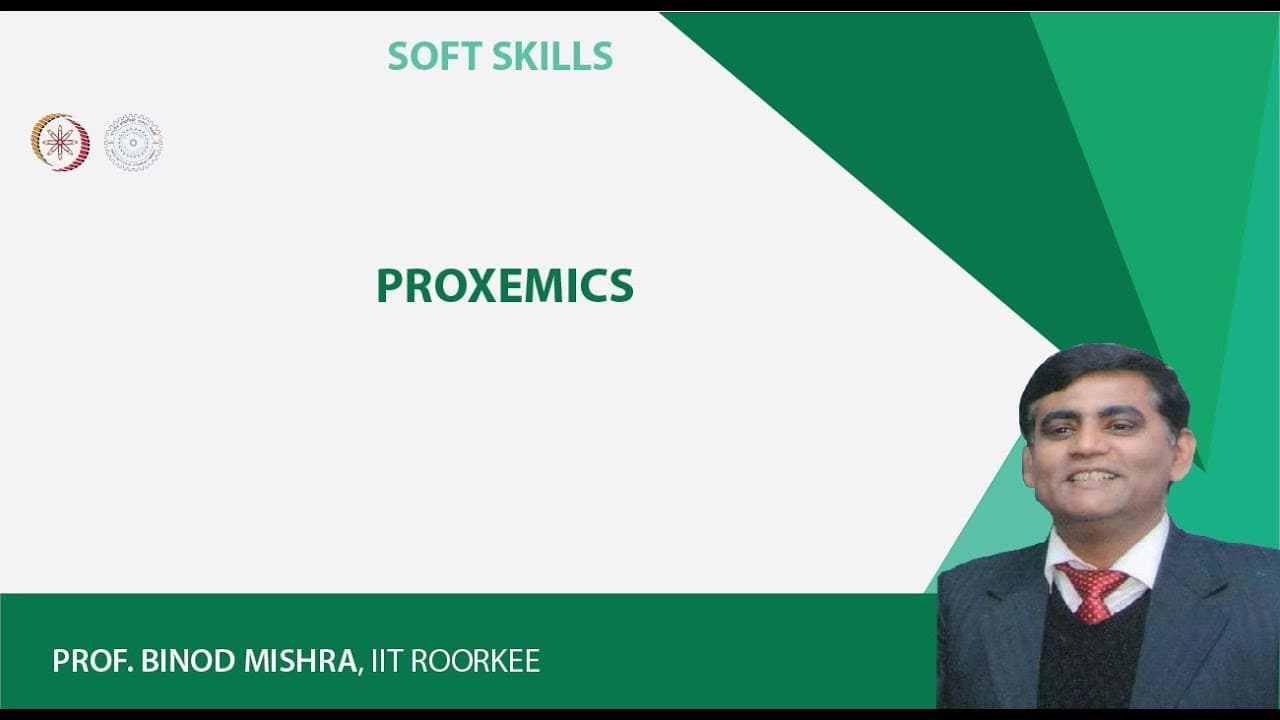
Proxemics, the study of space in communication, impacts interactions significantly.
Transcript
Read and summarize the transcript of this video on Glasp Reader (beta).
Key Insights
- Proxemics, derived from 'proximity', is the study of physical space in communication, highlighting its importance in interactions.
- Space in communication varies by culture, influencing how people perceive interactions and relationships.
- There are four primary space zones: intimate, personal, social, and public, each with specific distance ranges and appropriate interactions.
- Intimate zones are reserved for close family and friends, while personal zones accommodate friends and colleagues.
- Social zones are for interactions with acquaintances and service providers, while public zones are for larger audiences and public speaking.
- Space can denote power and status in professional settings, with larger spaces often indicating higher authority.
- Cultural differences in proxemics can lead to misunderstandings; awareness of these differences is crucial for effective communication.
- Chronemics, the study of time in communication, is equally important, with punctuality and time management reflecting professionalism.
Install to Summarize YouTube Videos and Get Transcripts
Explore YouTube Video Summarizer or Get YouTube Transcript Extractor
Questions & Answers
Q: What is proxemics and why is it important?
Proxemics is the study of physical space in communication, derived from the word 'proximity', meaning nearness. It is crucial because it influences how interactions are perceived and conducted. Different cultures have varying norms for space, affecting how people communicate and understand each other in personal and professional settings.
Q: How do the four space zones differ?
The four space zones are intimate, personal, social, and public. Intimate zones are for close family and friends, with physical touch allowed up to 18 inches. Personal zones accommodate friends and colleagues, ranging from 18 inches to 4 feet. Social zones are for acquaintances and service providers, spanning 4 to 12 feet. Public zones, for large audiences, extend from 12 feet to 30 feet or more.
Q: How does proxemics relate to power and status?
In professional settings, proxemics can indicate power and status. Larger spaces often denote higher authority, as seen in office layouts where bosses have spacious offices while employees have smaller workspaces. This spatial arrangement reflects the hierarchy and control within an organization, influencing how communication and interactions occur.
Q: What cultural differences exist in proxemics?
Cultural differences in proxemics are significant. For example, Americans prefer more personal space compared to Arabs or Asians, who might stand closer. These differences can lead to misunderstandings if not recognized. In some cultures, like Japan, space is given more importance, and guests are provided more room, which can be misinterpreted by those from low-context cultures.
Q: What is chronemics and its significance?
Chronemics is the study of time in communication, focusing on how time management and punctuality affect interactions. In professional environments, being on time is a sign of respect and professionalism. Different cultures have varying perceptions of time; some prioritize punctuality, while others are more flexible. Effective time management can enhance communication and relationships.
Q: How do cultural contexts affect communication styles?
Cultural contexts, such as low-context and high-context cultures, affect communication styles. Low-context cultures, like North America and Germany, rely on explicit verbal communication, while high-context cultures, like Japan and Greece, emphasize nonverbal cues. These differences influence how messages are conveyed and understood, requiring awareness for effective cross-cultural communication.
Q: Why is awareness of space and time important in communication?
Awareness of space and time in communication is vital because it prevents misunderstandings and enhances interactions. Knowing cultural norms for space and time helps navigate different communication styles, ensuring respect and professionalism. It allows for better planning and execution of communication, leading to successful personal and professional relationships.
Q: How can one effectively balance space and time in communication?
To effectively balance space and time in communication, one must understand cultural norms and adjust accordingly. This involves being aware of appropriate space zones and managing time efficiently. Practicing punctuality, respecting others' space, and planning communication within time constraints are essential. This balance enhances clarity, reduces misunderstandings, and fosters positive interactions.
Summary & Key Takeaways
-
Proxemics is the study of space in communication, emphasizing the importance of physical distance in interactions. It varies across cultures, affecting how people perceive and engage in communication. The concept is divided into four zones: intimate, personal, social, and public, each with specific distance ranges and suitable interactions.
-
Understanding proxemics is crucial in professional settings, where space can indicate power and status. Larger spaces often denote higher authority, and cultural differences in space perception can lead to misunderstandings. Being aware of these differences is essential for effective cross-cultural communication.
-
Chronemics, the study of time in communication, complements proxemics. Time management and punctuality are vital in professional environments, reflecting a person's professionalism and respect for others. Balancing space and time in communication can lead to successful interactions and relationships.
Read in Other Languages (beta)
Share This Summary 📚
Summarize YouTube Videos and Get Video Transcripts with 1-Click
Try YouTube Summary with ChatGPT & Claude or YouTube Transcript Generator
Explore More Summaries from Soft Skills 📚


Summarize YouTube Videos and Get Video Transcripts with 1-Click
Try YouTube Summary with ChatGPT & Claude or YouTube Transcript Generator