How soap kills the coronavirus
TL;DR
Soap destroys coronavirus by breaking its fatty layer.
Transcript
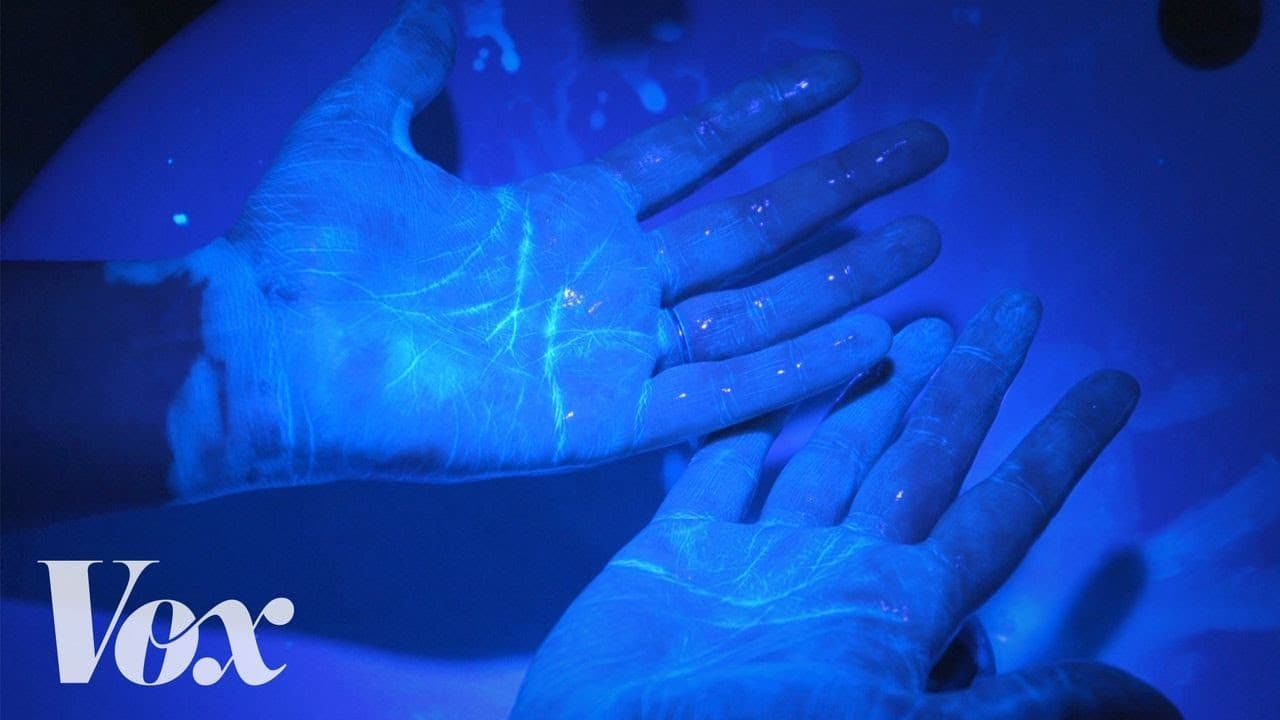
You know that the best way to prevent the spread of coronavirus is to wash your hands. Wash your hands, doo doo, doo doo, doo doo. Wash your hands! But … why? It’s because soap — regular soap, fancy honeysuckle soap, artisan peppermint soap, just any soap — absolutely annihilates viruses like the coronavirus. Here’s how. This is what a virus, like ... Read More
Key Insights
- Soap, regardless of type, effectively destroys the coronavirus by breaking down its fatty layer, which holds the virus together.
- Viruses have a fatty layer that behaves like oil, making them resistant to just water, but vulnerable to soap's dual-attraction molecules.
- Soap molecules have two ends; one attracts water, the other attracts fat, allowing them to pull apart and dissolve the virus's fatty layer.
- Proper handwashing requires 20 seconds to ensure that soap has enough time to dismantle the virus's structure completely.
- Hand sanitizers with at least 60% alcohol can also break down the virus, but soap is generally more effective, especially on dirty or sweaty hands.
- Antibacterial soap is unnecessary against viruses like coronavirus; plain soap is equally effective, according to the FDA.
- The CDC recommends soap over hand sanitizers when available, due to the latter's reduced effectiveness on dirty hands.
- Popular songs can be used to time the 20 seconds needed for effective handwashing, ensuring thorough virus destruction.
Install to Summarize YouTube Videos and Get Transcripts
Explore YouTube Video Summarizer or Get YouTube Transcript Extractor
Questions & Answers
Q: How does soap destroy the coronavirus?
Soap destroys the coronavirus by breaking down its fatty layer. The soap molecules have two ends: one that attracts water and another that attracts fat. This allows them to pull apart the fatty layer of the virus, effectively dismantling its structure and rendering it harmless.
Q: Why is 20 seconds of handwashing necessary?
Twenty seconds of handwashing is necessary to ensure that the soap has enough time to interact with the virus's fatty layer and break it down completely. Shorter durations do not allow the soap to fully dismantle the virus, leaving it potentially active and capable of causing infection.
Q: Is antibacterial soap more effective than regular soap?
Antibacterial soap is not more effective than regular soap in destroying viruses like coronavirus. The FDA advises that plain soap is sufficient, as the primary action against viruses is breaking down their fatty layer, which does not require antibacterial properties.
Q: How does hand sanitizer compare to soap?
Hand sanitizer can be effective if it contains at least 60% alcohol, as it also breaks down the virus's fatty layer. However, soap is generally preferred, especially when hands are dirty or sweaty, as these conditions can dilute the sanitizer and reduce its effectiveness.
Q: Why does the virus's fatty layer make it resistant to water?
The virus's fatty layer behaves like oil, which does not mix with water. This resistance means that simply rinsing hands with water is ineffective in removing the virus. Soap is needed to dissolve this fatty layer, allowing the virus to be washed away.
Q: What role do soap molecules play in virus destruction?
Soap molecules have a dual attraction, with one end attracted to water and the other to fat. This allows them to interact with the virus's fatty layer, pulling it apart and dissolving it, which destroys the virus's structure and renders it harmless.
Q: What does the CDC recommend for effective hand hygiene?
The CDC recommends using soap and water for at least 20 seconds for effective hand hygiene. While hand sanitizers with at least 60% alcohol can be used when soap is unavailable, they are less effective on dirty or sweaty hands, making soap the preferred option.
Q: Can any type of soap be used to destroy coronavirus?
Yes, any type of soap can be used to destroy coronavirus. The effectiveness lies in the soap's ability to break down the virus's fatty layer, not in any specific antibacterial properties. Therefore, regular soap is sufficient for this purpose.
Summary & Key Takeaways
-
Soap effectively destroys coronavirus by breaking apart its fatty layer, which holds the virus together. This process requires at least 20 seconds of handwashing to be effective. Hand sanitizers with 60% alcohol can also work, but soap is generally preferred, especially when hands are dirty or sweaty.
-
The dual-attraction nature of soap molecules allows them to dissolve the virus's fatty layer, similar to how they dissolve oil in water. This makes soap a powerful tool in preventing the spread of coronavirus, as it dismantles the virus structure, rendering it harmless.
-
Plain soap is sufficient for virus destruction, as antibacterial soap does not offer additional benefits against viruses like coronavirus. The CDC recommends using soap over hand sanitizers when possible, and suggests using popular songs to ensure the recommended 20-second handwashing duration.
Read in Other Languages (beta)
Share This Summary 📚
Summarize YouTube Videos and Get Video Transcripts with 1-Click
Try YouTube Summary with ChatGPT & Claude or YouTube Transcript Generator
Explore More Summaries from Vox 📚



Summarize YouTube Videos and Get Video Transcripts with 1-Click
Try YouTube Summary with ChatGPT & Claude or YouTube Transcript Generator