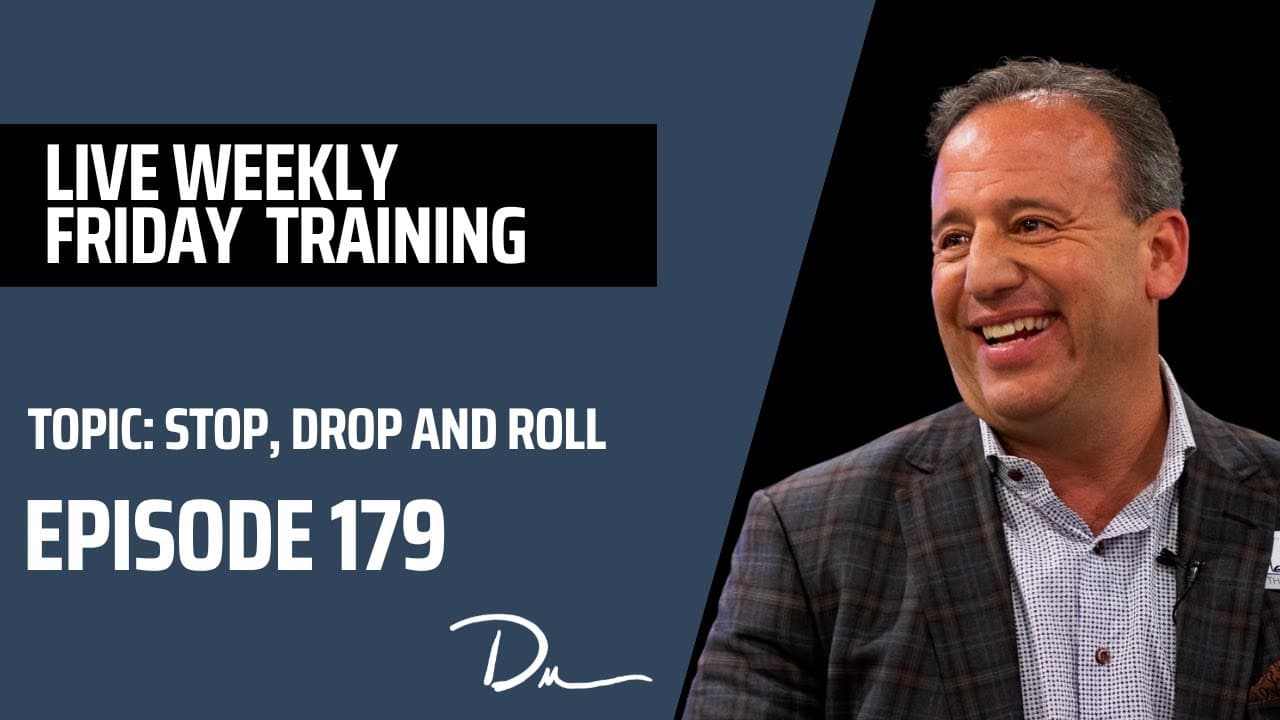
How to Use Stop, Drop, and Roll for Personal Growth
TL;DR
The 'Stop, Drop, and Roll' technique is a method for managing fear and anxiety by stopping negative thoughts, dropping into a state of awareness, and rolling forward with positive actions. This approach helps individuals align with their true potential by identifying and overcoming fears rooted in past experiences or future anxieties, ultimately fostering a mindset of abundance and gratitude.
Transcript
now I'm at the point you want to be with me I'm vibing out at a higher frequency cause everything that I want and I'm gonna be is when I wake up that's when I start to dream someone you love is talking down here is the plan let it fall through like a handful of sand nothing happens overnight which you must understand if you dwell on the bed then yo... Read More
Key Insights
- Fear is rooted in concerns about the past or anxieties about the future, both of which are infinite in nature.
- Identifying fears is the first step in managing them, followed by stopping the negative reaction and dropping into awareness.
- Faith, in this context, is about believing in a source that is all-knowing and all-powerful, which helps in overcoming fears.
- Practicing gratitude, forgiveness, and accountability are crucial in changing the meaning of past experiences and reducing future anxieties.
- The 'Stop, Drop, and Roll' method involves stopping when fear arises, dropping into a state of awareness, and rolling forward with intention.
- Living in a mindset of abundance involves recognizing that there is more than enough for everyone, reducing feelings of scarcity.
- Patience can be learned by using time as a dependent variable to align actions with desired outcomes.
- Active listening involves asking open-ended questions to understand others better and align with their perspectives.
Install to Summarize YouTube Videos and Get Transcripts
Explore YouTube Video Summarizer or Get YouTube Transcript Extractor
Questions & Answers
Q: How to manage fear using the Stop, Drop, and Roll technique?
The Stop, Drop, and Roll technique involves three steps to manage fear: first, stop the negative reaction when fear arises; second, drop into a state of awareness by calming the mind and reassessing the situation; and third, roll forward by taking positive actions aligned with your goals. This method helps in overcoming fears by focusing on gratitude, forgiveness, and accountability.
Q: What role does faith play in overcoming fear?
Faith, in the context of overcoming fear, involves believing in a source that is all-knowing and all-powerful. This belief helps individuals feel protected and promoted rather than punished by their fears. By trusting in this source, individuals can overcome fears rooted in past experiences or future anxieties, fostering a mindset of abundance and gratitude.
Q: How can gratitude help in reducing anxiety?
Gratitude helps in reducing anxiety by shifting focus from what is lacking or feared to what is present and abundant. By practicing gratitude, individuals can change the meaning of past experiences and reduce anxieties about the future. This shift in perspective fosters a mindset of abundance, helping individuals feel more content and less anxious.
Q: What are the key components of living in a mindset of abundance?
Living in a mindset of abundance involves recognizing that there is more than enough for everyone, reducing feelings of scarcity. It requires practicing gratitude, forgiveness, and accountability to change the meaning of past experiences and reduce future anxieties. This mindset helps individuals focus on what they have rather than what they lack, fostering contentment and generosity.
Q: How can patience be learned in personal development?
Patience can be learned by using time as a dependent variable to align actions with desired outcomes. By practicing being productive, accessible, and gracious, individuals can foster patience as they wait for their goals to manifest. This involves trusting in the process and believing that the right opportunities will present themselves at the perfect time or even better than anticipated.
Q: What is the importance of active listening in personal growth?
Active listening is crucial in personal growth as it involves asking open-ended questions to understand others better and align with their perspectives. By focusing on listening rather than speaking, individuals can foster better relationships, gain insights, and create alignment with others. This practice helps in achieving personal and professional growth by improving communication and understanding.
Q: How does fear of the past affect personal development?
Fear of the past affects personal development by creating interference with one's potential. It involves holding onto negative experiences, voids, and obstacles, which limit self-image and hinder growth. By changing the meaning of past experiences through gratitude, forgiveness, and accountability, individuals can overcome these fears and align with their true potential.
Q: What strategies can be used to overcome fear of the future?
To overcome fear of the future, individuals can practice gratitude, forgiveness, and accountability. Gratitude shifts focus to what is abundant, forgiveness releases negative emotions, and accountability fosters control over one's actions. By aligning with a mindset of abundance and trusting in a source of faith, individuals can reduce anxiety and worry about future uncertainties.
Summary & Key Takeaways
-
The 'Stop, Drop, and Roll' technique is a tool for managing fear and anxiety by stopping negative thoughts, dropping into a state of awareness, and rolling forward with positive actions. This approach helps individuals align with their true potential by identifying and overcoming fears rooted in past experiences or future anxieties, ultimately fostering a mindset of abundance and gratitude.
-
Fear is often rooted in concerns about the past or anxieties about the future. By practicing gratitude, forgiveness, and accountability, individuals can change the meaning of past experiences and reduce future anxieties. This process involves recognizing the abundance in life and reducing feelings of scarcity.
-
Active listening and patience are essential skills in personal development. Active listening involves asking open-ended questions to understand others better, while patience can be learned by using time as a dependent variable to align actions with desired outcomes. These practices help in fostering better relationships and achieving personal growth.
Read in Other Languages (beta)
Share This Summary 📚
Summarize YouTube Videos and Get Video Transcripts with 1-Click
Try YouTube Summary with ChatGPT & Claude or YouTube Transcript Generator
Explore More Summaries from David Meltzer 📚

Summarize YouTube Videos and Get Video Transcripts with 1-Click
Try YouTube Summary with ChatGPT & Claude or YouTube Transcript Generator