Deficit and debt ceiling | American civics | US government and civics | Khan Academy
TL;DR
The debt ceiling is the limit on the amount of debt that a country can have, and if the US does not raise its debt ceiling, it may default on its obligations, leading to higher interest rates and worsening the deficit.
Transcript
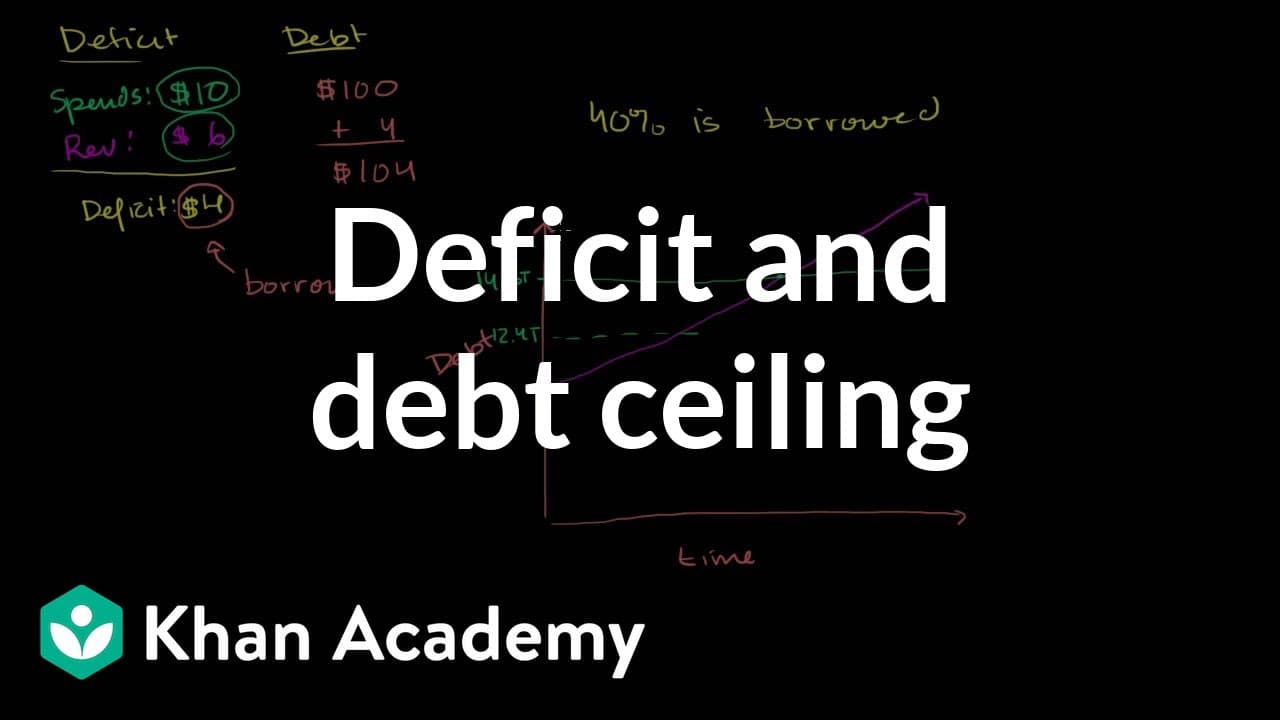
Before we talk about the debt ceiling, it's important to realize the difference between the deficit and the debt. Because these words are thrown around and it's clear that they're related, but sometimes people might confuse one for the other. The deficit is how much you overspend in a given year, while the debt is the total amount, the cumulative a... Read More
Key Insights
- ❓ The deficit and the debt are closely related but represent different aspects of a country's financial situation.
- 🥺 The US continually spends more than it brings in and relies on borrowing to cover the deficit, leading to an increasing national debt.
- 🤨 The debt ceiling has been regularly raised in the past, but there is now a potential political standoff over raising it, which could lead to default.
Install to Summarize YouTube Videos and Get Transcripts
Explore YouTube Video Summarizer or Get YouTube Transcript Extractor
Questions & Answers
Q: What is the difference between the deficit and the debt?
The deficit represents the amount a country overspends in a year, while the debt is the total accumulated debt over time. The deficit contributes to the increase in the debt.
Q: How does a country borrow money to cover its deficit?
A country borrows money by issuing debt in the form of bonds or treasury bills, which are sold to investors who receive interest payments on their investment.
Q: Why does the US have a debt ceiling?
The debt ceiling was established to limit the amount of debt the US can accumulate. It gives Congress the authority to set a limit on borrowing, ensuring the government does not overspend.
Q: What happens if the US does not raise its debt ceiling?
If the US does not raise its debt ceiling, it may default on its obligations, leading to higher interest rates, worsening the deficit, and potentially causing a financial crisis.
Summary & Key Takeaways
-
The deficit is the amount a country overspends in a given year, while the debt is the total accumulated debt over many years.
-
The US currently spends more than it brings in and has to borrow money to cover the deficit, leading to an increasing national debt.
-
The debt ceiling is the limit set on the amount of debt the US can have, and if it is not raised, the US may default on its obligations.
Read in Other Languages (beta)
Share This Summary 📚
Summarize YouTube Videos and Get Video Transcripts with 1-Click
Try YouTube Summary with ChatGPT & Claude or YouTube Transcript Generator
Explore More Summaries from Khan Academy 📚



Summarize YouTube Videos and Get Video Transcripts with 1-Click
Try YouTube Summary with ChatGPT & Claude or YouTube Transcript Generator