The Importance of Credentialing in Medical Billing for Revenue Accuracy

Mar 18, 2026
2 min read
0 views
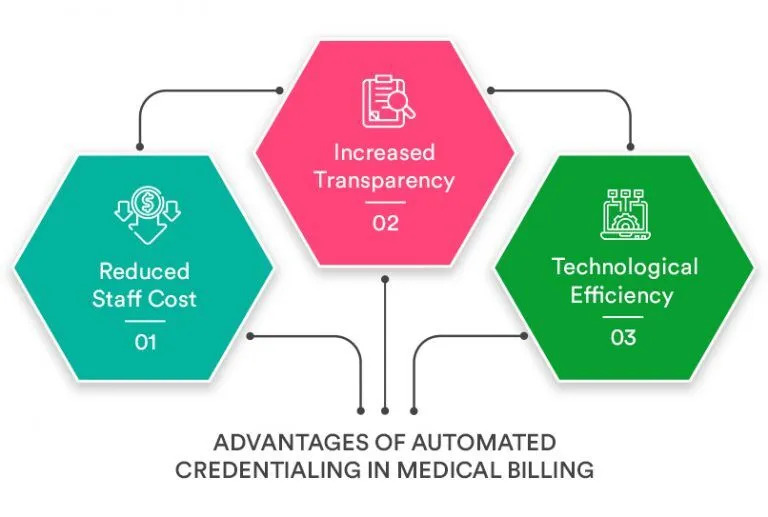
Credentialing plays a critical role in ensuring smooth and accurate billing processes in healthcare organizations. It involves verifying the qualifications, experience, and professional background of healthcare providers before they can deliver services and submit claims. Without proper credentialing, even the most advanced medical billing software solutions may fail to deliver optimal results.
One of the biggest challenges healthcare providers face is claim rejection due to incorrect or incomplete provider information. This is where credentialing becomes essential. It ensures that providers are authorized to work with insurance companies, reducing errors and delays in reimbursements. By integrating credentialing with medical billing solutions, organizations can significantly improve claim acceptance rates.
Modern healthcare practices are increasingly adopting medical billing software development to streamline credentialing workflows. Custom-built systems can automate the verification process, maintain updated provider records, and ensure compliance with regulatory standards. This reduces manual effort and minimizes the risk of human error.
The role of a medical billing app is also becoming important in credentialing. Mobile-enabled solutions allow administrators to track credentialing status, receive alerts for renewals, and manage documentation efficiently. This ensures that no credential expires unnoticed, preventing disruptions in billing operations.
At the operational level, medical billing system software integrates credentialing data with billing processes. This means that only verified providers are linked to claims, reducing the chances of denial. Such integration enhances efficiency and ensures seamless coordination between administrative and clinical teams.
Another advantage of strong credentialing practices is improved compliance. Healthcare organizations must adhere to strict regulations, and failure to do so can result in penalties or loss of revenue. By using medical billing solutions supported by credentialing systems, organizations can maintain compliance while optimizing their revenue cycle.
Credentialing also contributes to better financial planning. When providers are properly credentialed, claims are processed faster, leading to consistent cash flow. This stability allows healthcare organizations to focus more on patient care rather than administrative challenges.
In addition, credentialing enhances trust among patients and insurance providers. Verified professionals are more likely to deliver quality care, which reflects positively on the organization. This trust translates into better patient retention and improved reputation.
As healthcare continues to evolve, the importance of credentialing cannot be overlooked. It is not just an administrative task but a strategic function that directly impacts revenue and efficiency. By leveraging medical billing software solutions, investing in medical billing software development, and utilizing tools like a medical billing app and medical billing system software, organizations can ensure accurate billing and long-term success.
Comments
I am a passionate healthcare enthusiast committed to advancing the healthcare sector by providing full-service business solutions that make use of cutting-edge