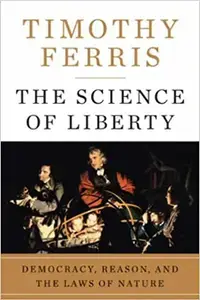
Recommended byCharles Koch
About This Book
"The Science of Liberty" by Timothy Ferris explores the intersection of scientific thought and political freedom. Ferris argues that the foundation of democracy and human rights lies in the principles and discoveries of science.
In this thought-provoking book, Ferris examines historical and contemporary insights from physics, biology, and other scientific disciplines to shed light on how the scientific method can enhance individual liberty. He delves into topics such as the role of empirical evidence, the importance of questioning authority, and the power of critical thinking.
Through compelling examples and engaging narratives, Ferris illustrates how scientific thinking can be applied to social and political systems, resulting in more inclusive and prosperous societies. He presents compelling arguments for why policies and institutions grounded in scientific reasoning are better equipped to address complex issues such as climate change, healthcare, and education.
Ferris also explores the challenges that arise when scientific principles clash with authoritarianism and pseudoscience. Drawing upon historical events and contemporary debates, he reveals the threats posed by those who reject evidence-based decision-making and seek to control information.
"The Science of Liberty" offers a nuanced perspective on the essential connection between scientific inquiry and the preservation of individual freedom. Ferris's accessible prose and ability to distill complex ideas make this book an insightful and engaging read for anyone interested in the intersection of science and politics. Whether you are a scientist, a policymaker, or simply a curious reader, this book will inspire you to reconsider the fundamental principles that underpin our modern society.
In this thought-provoking book, Ferris examines historical and contemporary insights from physics, biology, and other scientific disciplines to shed light on how the scientific method can enhance individual liberty. He delves into topics such as the role of empirical evidence, the importance of questioning authority, and the power of critical thinking.
Through compelling examples and engaging narratives, Ferris illustrates how scientific thinking can be applied to social and political systems, resulting in more inclusive and prosperous societies. He presents compelling arguments for why policies and institutions grounded in scientific reasoning are better equipped to address complex issues such as climate change, healthcare, and education.
Ferris also explores the challenges that arise when scientific principles clash with authoritarianism and pseudoscience. Drawing upon historical events and contemporary debates, he reveals the threats posed by those who reject evidence-based decision-making and seek to control information.
"The Science of Liberty" offers a nuanced perspective on the essential connection between scientific inquiry and the preservation of individual freedom. Ferris's accessible prose and ability to distill complex ideas make this book an insightful and engaging read for anyone interested in the intersection of science and politics. Whether you are a scientist, a policymaker, or simply a curious reader, this book will inspire you to reconsider the fundamental principles that underpin our modern society.
What People Are Saying
More Praise
Charles Koch recommended this book on his website.
Revisit Your Highlights, Deepen Your Understanding
Import your Kindle highlights to review, organize, and share the ideas that matter most to you.
Get the free browser extension
Share This Book
More Books in Politics
View More
Permanent Record
Edward Snowden
The End of Power
Moises Naim
Expert Political Judgement
Philip E. Tetlock
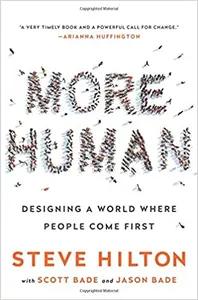
More Human
Steve Hilton

Taxes Have Consequences
Art Laffer
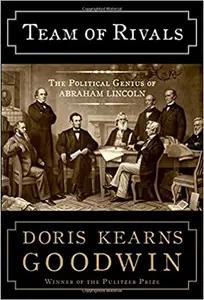
Team of Rivals
Doris Kearns Goodwin
The Fourth Revolution
John Micklethwait
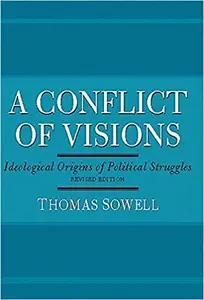
A Conflict of Visions
Thomas Sowell

A Fighting Chance
Elizabeth Warren
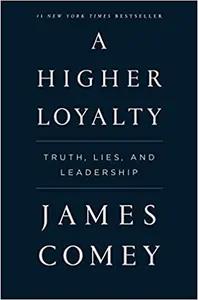
A Higher Loyalty
James Comey

A Practical Guide for Policy Analysis
Eugene S. Bardach

A Very Expensive Poison
Luke Harding
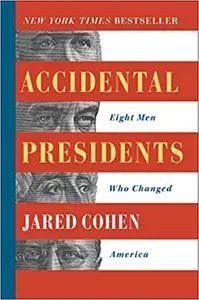
Accidental Presidents
Jared Cohen

All Out War
Tim Shipman

American Crusade
Pete Hegseth

Anti Americanism
Jean Francois Revel

BLITZ
David Horowitz

Battlegrounds
H.R. McMaster

Blackout
Candace Owens
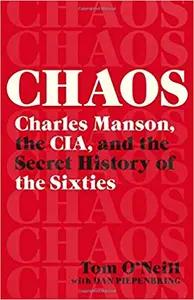
Chaos
Tom O'Neill

Chasing Hillary
Amy Chozick

Civilian Warriors
Erik Prince

Dark Towers
David Enrich

Days of Rage
Bryan Burrough

Dear Leader
Jang Jin-Sung

Defend The Border and Save Lives
Tom Homan

Defender In Chief
John Yoo
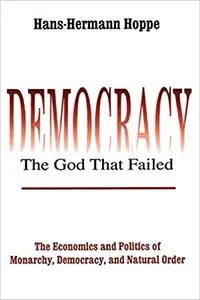
Democracy
Hans-Hermann Hoppe

Devil's Bargain
Joshua Green
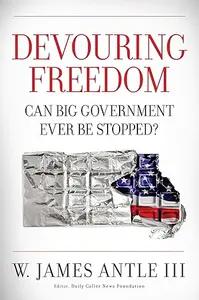
Devouring Freedom
W. James Antle III
Popular Books Recommended by Great Minds 📚
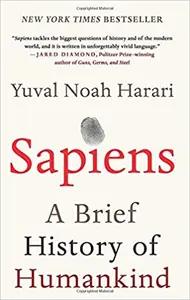
Sapiens
Yuval Noah Harari
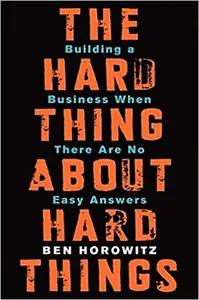
The Hard Thing About Hard Things
Ben Horowitz
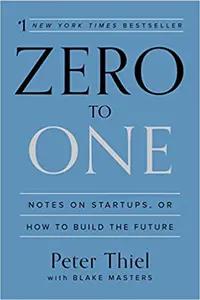
Zero to One
Peter Thiel
High Output Management
Andrew Grove
Principles
Ray Dalio

Shoe Dog
Phil Knight
Snow Crash
Neal Stephenson
Meditations
Marcus Aurelius
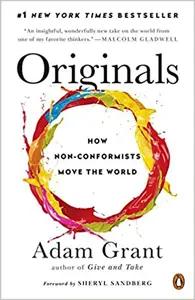
Originals
Adam Grant

Poor Charlie's Almanack
Charlie Munger
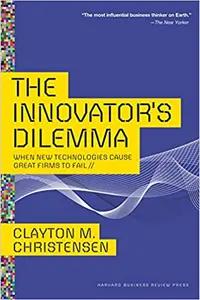
The Innovators Dilemma
Clayton Christensen
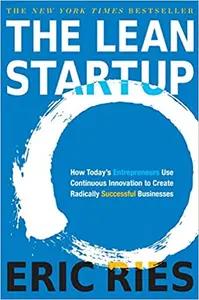
The Lean Startup
Eric Reis
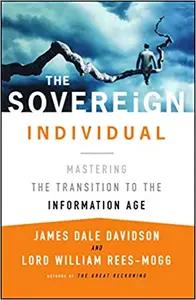
The Sovereign Individual
James Dale Davidson & William Rees-Mogg
High Growth Handbook
Elad Gil
Influence
Robert Cialdini
Principles for Dealing With The Changing World Order
Ray Dalio
Rework
Jason Fried
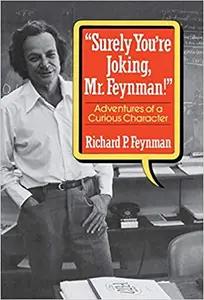
Surely You're Joking Mr. Feynman
Richard Feynman
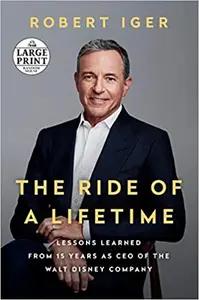
The Ride of a Lifetime
Bob Iger
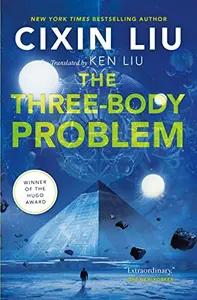
The Three Body Problem
Cixin Liu
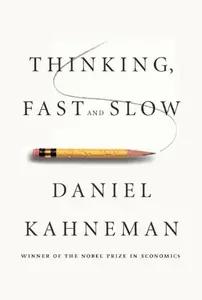
Thinking, Fast and Slow
Daniel Kahneman
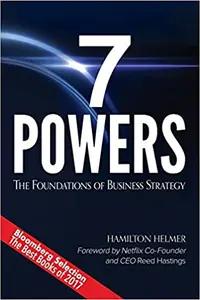
7 Powers
Hamilton Helmer
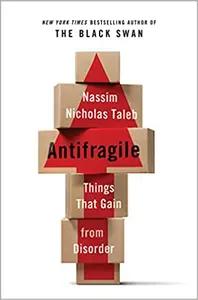
Antifragile
Nassim Nicholas Taleb
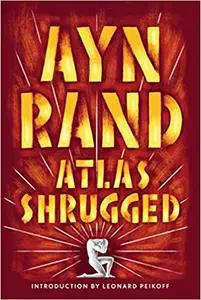
Atlas Shrugged
Ayn Rand
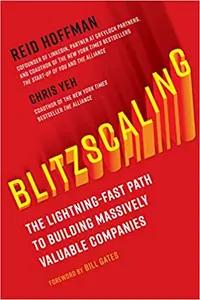
Blitzscaling
Reid Hoffman
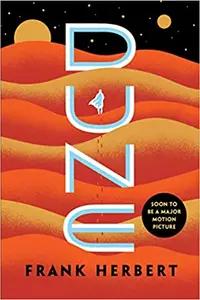
Dune
Frank Herbert
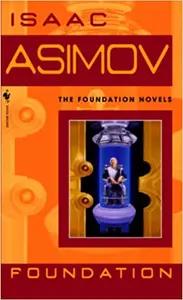
Foundation
Isaac Asimov
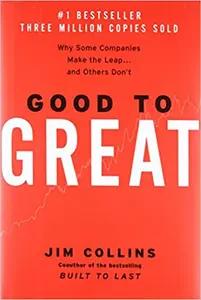
Good To Great
Jim Collins
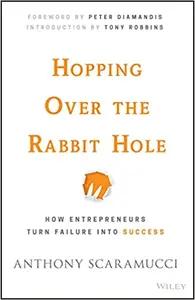
Hopping Over The Rabbit Hole
Anthony Scaramucci
Man's Search for Meaning
Viktor Frankl