About This Book
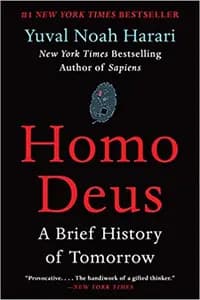
In "Homo Deus" by Yuval Noah Harari, the author explores the future of humankind. Building on his previous work, "Sapiens," Harari examines the journey from the ancient past to the present, and then ventures into the possibilities that await us.
With a keen focus on the implications of emerging technologies, Harari delves into themes such as artificial intelligence, genetic engineering, and data processing. He explores how these advancements could redefine what it means to be human, potentially transforming our bodies, minds, and societies.
Harari raises thought-provoking questions about the impact of these developments on social order, religious values, and individual identity. He challenges current assumptions about free will and the nature of happiness, arguing that the pursuit of immortality and god-like abilities might be the next stage of our evolution.
However, Harari also cautions against potential dangers and inequalities that may arise as a result of these advancements. He takes a critical stance towards the concentration of power and the potential loss of privacy that could come with the rise of dataism, a new ideology shaped by algorithms and information.
Through his deep examination of historical, scientific, and philosophical perspectives, Harari presents a compelling vision of the future. "Homo Deus" encourages readers to contemplate the choices and responsibilities humanity faces as we progress into a world where humans may no longer be the dominant species.
With a keen focus on the implications of emerging technologies, Harari delves into themes such as artificial intelligence, genetic engineering, and data processing. He explores how these advancements could redefine what it means to be human, potentially transforming our bodies, minds, and societies.
Harari raises thought-provoking questions about the impact of these developments on social order, religious values, and individual identity. He challenges current assumptions about free will and the nature of happiness, arguing that the pursuit of immortality and god-like abilities might be the next stage of our evolution.
However, Harari also cautions against potential dangers and inequalities that may arise as a result of these advancements. He takes a critical stance towards the concentration of power and the potential loss of privacy that could come with the rise of dataism, a new ideology shaped by algorithms and information.
Through his deep examination of historical, scientific, and philosophical perspectives, Harari presents a compelling vision of the future. "Homo Deus" encourages readers to contemplate the choices and responsibilities humanity faces as we progress into a world where humans may no longer be the dominant species.
What People Are Saying
“Not that I agree with all of it, but it is still mind-bending speculation about our future as a follow-up to a previous favorite, Sapiens. It’s directionally right.”
“Didn't finish it. Good book but not as seminal as Sapiens.”
“A provocative new book raises big questions about the future.”
More Praise
Raoul Pal enjoyed reading 'Homo Deus'.
Revisit Your Highlights, Deepen Your Understanding
Import your Kindle highlights to review, organize, and share the ideas that matter most to you.
Get the free browser extension
Share This Book
More Books in History
View More
Sapiens
Yuval Noah Harari
The Lessons of History
Will & Ariel Durant

Destined For War
Graham Allison

Guns, Germs, and Steel
Jared Diamond

The Autobiography of Benjamin Franklin
Benjamin Franklin
The Rise And Fall Of American Growth
Robert J. Gordon
Titan
Ron Chernow
The Fabric of Civilization
Virginia Postrel

The Last Days of Night
Graham Moore

The Last Lion
Paul Reid

Dead Wake
Erik Larson

Empire of the Summer Moon
S.C. Gwynne

Faraday, Maxwell, and the Electromagnetic Field
Nancy Forbes

From Bacteria to Bach and Back
Daniel Dennett

Guns, Sails, and Empires
Carlo M. Cipolla

Medieval Technology and Social Change
Lynn White
The Ancient City
Peter Connolly

The Forgotten Man
Amity Shales
The Fourth Turning
William Strauss
The Great Crash of 1929
John Kenneth Galbraith

The Law
Frederic Bastiat

The Old Way
Elizabeth Marshall Thomas
The Origin of Species
Charles Darwin
The Red Queen
Matt Ridley

The Story of Civilization
Will & Ariel Durant

Tuxedo Park
Jennet Conant
Where Good Ideas Come From
Steven Johnson
A History of Knowledge
Charles Van Doren

A History of Rome
Moses Hadas

A History of the English-Speaking Peoples
Winston Churchill
Popular Books Recommended by Great Minds 📚
Sapiens
Yuval Noah Harari
The Hard Thing About Hard Things
Ben Horowitz
Zero to One
Peter Thiel
High Output Management
Andrew Grove

Principles
Ray Dalio

Shoe Dog
Phil Knight
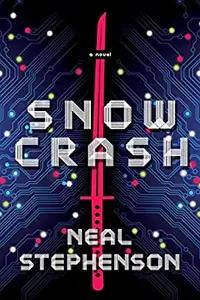
Snow Crash
Neal Stephenson

Meditations
Marcus Aurelius
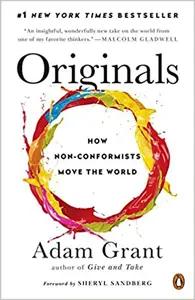
Originals
Adam Grant

Poor Charlie's Almanack
Charlie Munger

The Innovators Dilemma
Clayton Christensen

The Lean Startup
Eric Reis
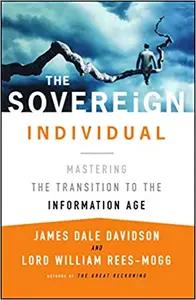
The Sovereign Individual
James Dale Davidson & William Rees-Mogg
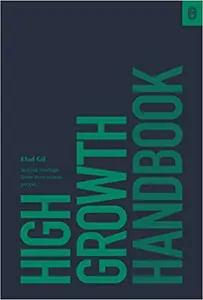
High Growth Handbook
Elad Gil
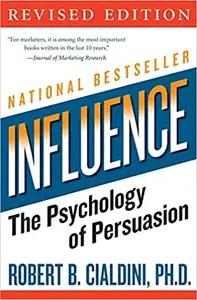
Influence
Robert Cialdini

Principles for Dealing With The Changing World Order
Ray Dalio

Rework
Jason Fried
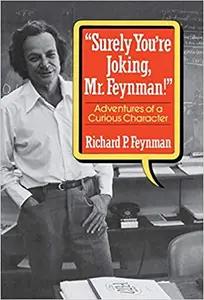
Surely You're Joking Mr. Feynman
Richard Feynman

The Ride of a Lifetime
Bob Iger
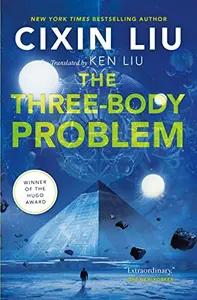
The Three Body Problem
Cixin Liu
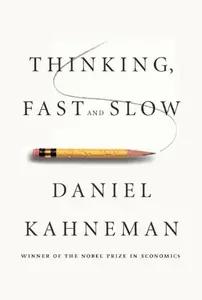
Thinking, Fast and Slow
Daniel Kahneman

7 Powers
Hamilton Helmer

Antifragile
Nassim Nicholas Taleb
Atlas Shrugged
Ayn Rand

Blitzscaling
Reid Hoffman
Dune
Frank Herbert

Foundation
Isaac Asimov
Good To Great
Jim Collins

Hopping Over The Rabbit Hole
Anthony Scaramucci
Man's Search for Meaning
Viktor Frankl