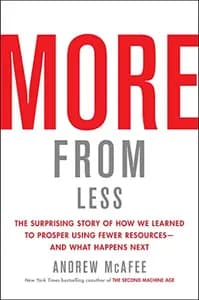
More From Less: The Surprising Story of How We Learned to Prosper Using Fewer Resources—and What Happens Next
by Andrew McAfee
Recommended byMarc Andreessen
About This Book
"More From Less" by Andrew McAfee is a thought-provoking book that explores how technological progress is enabling us to do more with less, ultimately reversing the trend of resource depletion and environmental degradation.
McAfee presents a compelling argument that we are entering an era of ecological abundance, where technology and innovation are fostering resource efficiency and environmental sustainability. Through a wealth of research, he highlights various industries and sectors that have successfully embraced this paradigm shift, demonstrating the potential for scaling it up across different domains.
The book delves into the concept of "dematerialization" – the ability to achieve greater output while using fewer materials – and showcases how this trend has already revolutionized industries like manufacturing, energy, and agriculture. McAfee demonstrates how advancements in digital technology, artificial intelligence, and automation have made it possible to optimize resource utilization and reduce waste.
Moreover, McAfee explores how shifting consumer behaviors, such as the rise of the sharing economy and the preference for experiences over ownership, are contributing to a more sustainable future. He also emphasizes the importance of policy changes and collaboration between businesses, governments, and individuals to accelerate the transition to a more efficient and eco-friendly economy.
Through its insightful analysis and practical examples, "More From Less" inspires readers to rethink our traditional models of growth and consumption. McAfee's optimistic vision challenges us to embrace the possibilities of technology and innovation, allowing us to achieve more while using fewer resources – ultimately ensuring a more sustainable and prosperous future for all.
McAfee presents a compelling argument that we are entering an era of ecological abundance, where technology and innovation are fostering resource efficiency and environmental sustainability. Through a wealth of research, he highlights various industries and sectors that have successfully embraced this paradigm shift, demonstrating the potential for scaling it up across different domains.
The book delves into the concept of "dematerialization" – the ability to achieve greater output while using fewer materials – and showcases how this trend has already revolutionized industries like manufacturing, energy, and agriculture. McAfee demonstrates how advancements in digital technology, artificial intelligence, and automation have made it possible to optimize resource utilization and reduce waste.
Moreover, McAfee explores how shifting consumer behaviors, such as the rise of the sharing economy and the preference for experiences over ownership, are contributing to a more sustainable future. He also emphasizes the importance of policy changes and collaboration between businesses, governments, and individuals to accelerate the transition to a more efficient and eco-friendly economy.
Through its insightful analysis and practical examples, "More From Less" inspires readers to rethink our traditional models of growth and consumption. McAfee's optimistic vision challenges us to embrace the possibilities of technology and innovation, allowing us to achieve more while using fewer resources – ultimately ensuring a more sustainable and prosperous future for all.
What People Are Saying
“[An important book] on how modern technological economies can build more outputs with less inputs, and why we need all economies to be modern and technological.”
Revisit Your Highlights, Deepen Your Understanding
Import your Kindle highlights to review, organize, and share the ideas that matter most to you.
Get the free browser extension
Share This Book
More Books in Technology
View More
The Hard Thing About Hard Things
Ben Horowitz
Zero to One
Peter Thiel
The Innovators Dilemma
Clayton Christensen
The Lean Startup
Eric Reis
The Sovereign Individual
James Dale Davidson & William Rees-Mogg
High Growth Handbook
Elad Gil
Blitzscaling
Reid Hoffman
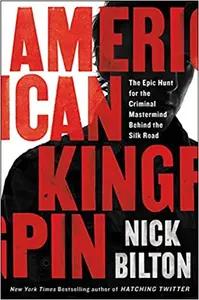
American Kingpin
Nick Bilton
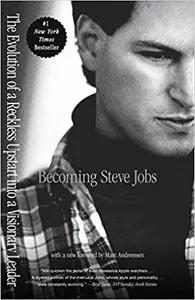
Becoming Steve Jobs
Brent Schlender
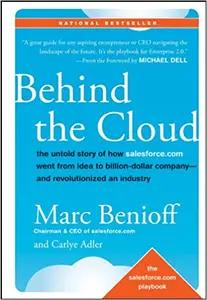
Behind the Cloud
Marc Benioff
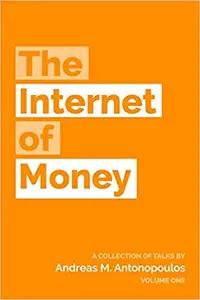
The Internet of Money Volume 1
Andreas Antonopolous
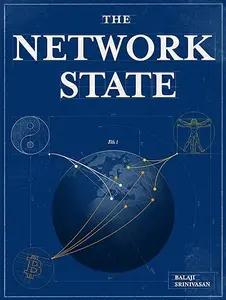
The Network State
Balaji Srinivasan
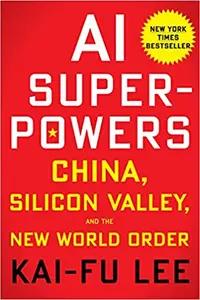
AI Superpowers
Kai-Fu Lee
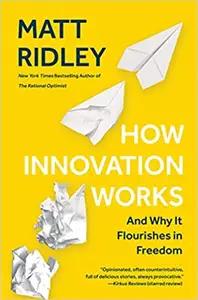
How Innovation Works
Matt Ridley
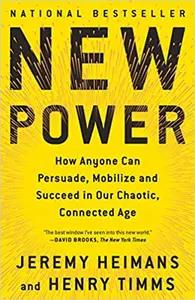
New Power
Jeremy Heimans

Read Write Own
Chris Dixon
Super Pumped
Mike Isaac
The Airbnb Story
Leigh Gallagher
The Dream Machine
M. Mitchell Waldrop
The Innovators
Walter Isaacson
The Little Bitcoin Book
Bitcoin Collective
The Second Machine Age
Erik Brynjolfsson
The Seventh Sense
Joshua Ramo

Virtual Society
Herman Narula
Whole Earth Discipline
Stewart Brand
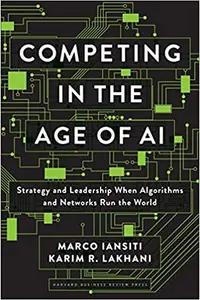
Competing in the Age of AI
Marco Iansiti
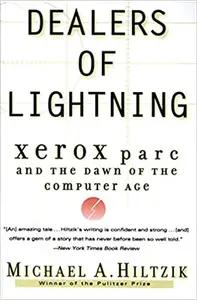
Dealers of Lightning
Michael A. Hiltzik
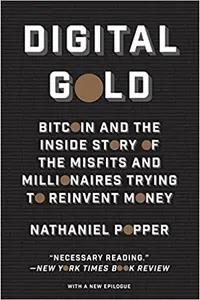
Digital Gold
Nathaniel Popper
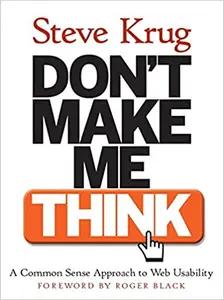
Don't Make Me Think
Steve Krug
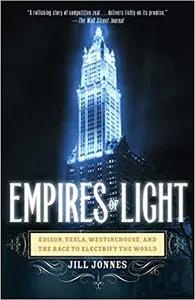
Empires of Light
Jill Jonnes
Popular Books Recommended by Great Minds 📚
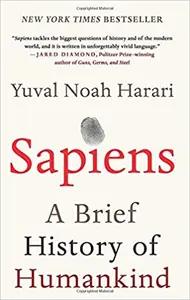
Sapiens
Yuval Noah Harari
The Hard Thing About Hard Things
Ben Horowitz
Zero to One
Peter Thiel
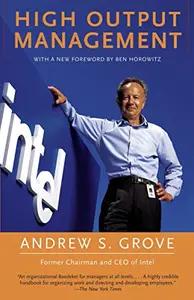
High Output Management
Andrew Grove
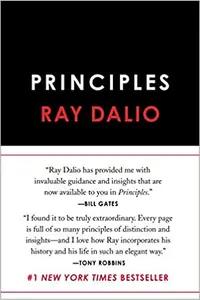
Principles
Ray Dalio
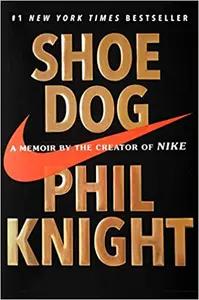
Shoe Dog
Phil Knight
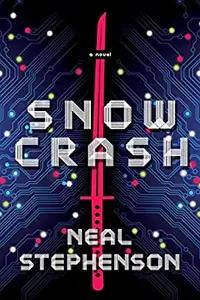
Snow Crash
Neal Stephenson
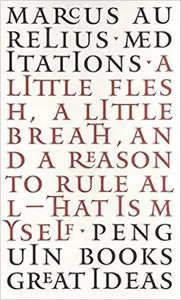
Meditations
Marcus Aurelius
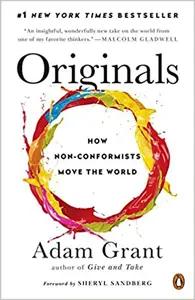
Originals
Adam Grant

Poor Charlie's Almanack
Charlie Munger
The Innovators Dilemma
Clayton Christensen
The Lean Startup
Eric Reis
The Sovereign Individual
James Dale Davidson & William Rees-Mogg
High Growth Handbook
Elad Gil
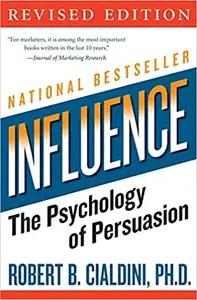
Influence
Robert Cialdini
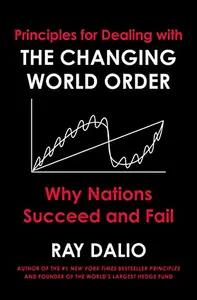
Principles for Dealing With The Changing World Order
Ray Dalio
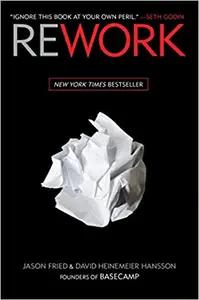
Rework
Jason Fried
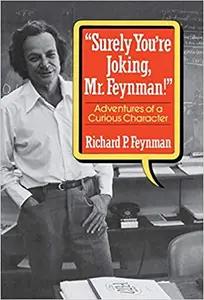
Surely You're Joking Mr. Feynman
Richard Feynman
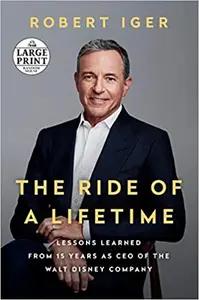
The Ride of a Lifetime
Bob Iger
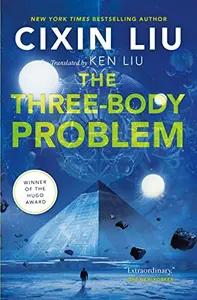
The Three Body Problem
Cixin Liu
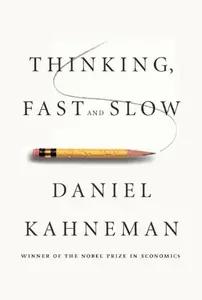
Thinking, Fast and Slow
Daniel Kahneman
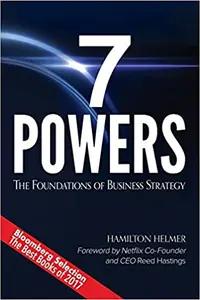
7 Powers
Hamilton Helmer
Antifragile
Nassim Nicholas Taleb
Atlas Shrugged
Ayn Rand
Blitzscaling
Reid Hoffman

Dune
Frank Herbert

Foundation
Isaac Asimov
Good To Great
Jim Collins
Hopping Over The Rabbit Hole
Anthony Scaramucci
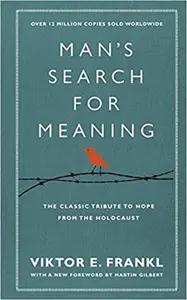
Man's Search for Meaning
Viktor Frankl