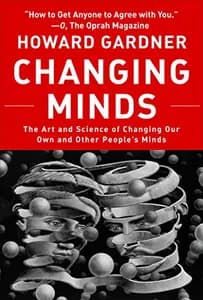
Changing Minds: The Art and Science of Changing Our Own and Other People's Minds
by Howard Gardner
Recommended byRay Dalio
About This Book
"Changing Minds" by Howard Gardner explores various factors and strategies that influence persuasion and the process of changing someone's mind.
In this thought-provoking book, Gardner delves into the complex dynamics of human cognition and highlights the power of various forms of intelligence in shaping individuals' beliefs and attitudes. Drawing on years of research and real-life examples, the author sheds light on the multifaceted nature of persuasion, emphasizing that it is not solely dependent on logical arguments or emotional appeals.
Gardner discusses the seven "levers" of persuasion, including reason, research, resonance, representational redescriptions, resources and rewards, real-world events, and resistance. Through each lever, he illustrates how different approaches can be employed to effectively change someone's viewpoint, even in the face of strong resistance.
The book also explores the concept of "multiple intelligences" and how understanding different cognitive strengths can enhance one's ability to influence others. Gardner emphasizes that these intelligences, such as linguistic, logical-mathematical, spatial, musical, bodily-kinesthetic, interpersonal, and intrapersonal, play a significant role in both the persuasion process and the ability to resist persuasion.
As Gardner presents compelling insights, he emphasizes the importance of ethics and the need to be aware of the ethical boundaries when attempting to change minds. He encourages readers to consider the long-term consequences and potential ethical dilemmas associated with persuasive tactics.
"Changing Minds" provides a comprehensive understanding of persuasion and how it can be employed ethically and effectively. By incorporating psychological principles, real-life examples, and Gardner's expertise in multiple intelligences, this book offers valuable insights for anyone seeking to understand the intricacies of human persuasion and influence.
In this thought-provoking book, Gardner delves into the complex dynamics of human cognition and highlights the power of various forms of intelligence in shaping individuals' beliefs and attitudes. Drawing on years of research and real-life examples, the author sheds light on the multifaceted nature of persuasion, emphasizing that it is not solely dependent on logical arguments or emotional appeals.
Gardner discusses the seven "levers" of persuasion, including reason, research, resonance, representational redescriptions, resources and rewards, real-world events, and resistance. Through each lever, he illustrates how different approaches can be employed to effectively change someone's viewpoint, even in the face of strong resistance.
The book also explores the concept of "multiple intelligences" and how understanding different cognitive strengths can enhance one's ability to influence others. Gardner emphasizes that these intelligences, such as linguistic, logical-mathematical, spatial, musical, bodily-kinesthetic, interpersonal, and intrapersonal, play a significant role in both the persuasion process and the ability to resist persuasion.
As Gardner presents compelling insights, he emphasizes the importance of ethics and the need to be aware of the ethical boundaries when attempting to change minds. He encourages readers to consider the long-term consequences and potential ethical dilemmas associated with persuasive tactics.
"Changing Minds" provides a comprehensive understanding of persuasion and how it can be employed ethically and effectively. By incorporating psychological principles, real-life examples, and Gardner's expertise in multiple intelligences, this book offers valuable insights for anyone seeking to understand the intricacies of human persuasion and influence.
What People Are Saying
More Praise
Revisit Your Highlights, Deepen Your Understanding
Import your Kindle highlights to review, organize, and share the ideas that matter most to you.
Get the free browser extension
Share This Book
More Books in Psychology
View More
Influence
Robert Cialdini
Thinking, Fast and Slow
Daniel Kahneman
Man's Search for Meaning
Viktor Frankl
Superforecasting
Philip Tetlock
Mindset
Carol Dweck

Lying
Sam Harris

The Undoing Project
Michael Lewis

12 Rules For Life
Jordan B. Peterson
Alchemy
Rory Sutherland
Grit
Angela Duckworth

Living With A SEAL
Jesse Itzler

Drunk Tank Pink
Adam Alter
Incognito
David Eagleman
Pre-Suasion
Robert Cialdini

Tao Te Ching
Lao Tzu
The Hero with a Thousand Faces
Joseph Campbell
The Invisible Gorilla
Christopher Chabris
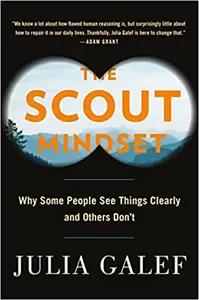
The Scout Mindset
Julia Galef
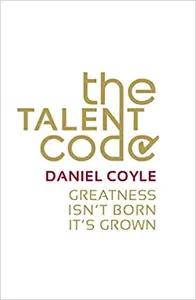
The Talent Code
Daniel Coyle
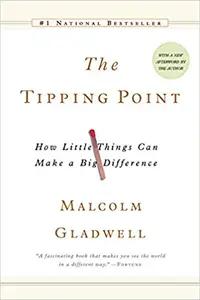
The Tipping Point
Malcolm Gladwell
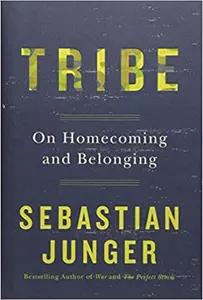
Tribe
Sebastian Junger

A History of the Mind
Nicholas Humphrey

A Short Guide to a Happy Life
Anna Quindlen
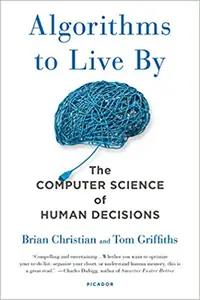
Algorithms to Live By
Brian Christian
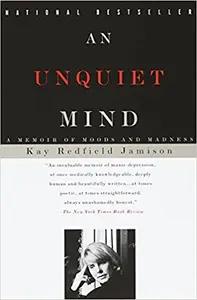
An Unquiet Mind
Kay Jamison
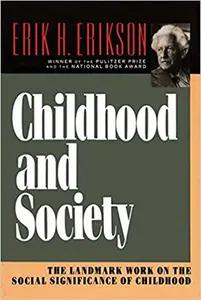
Childhood and Society
Erik Erikson
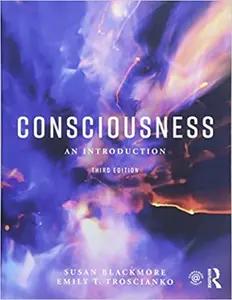
Consciousness
Susan Blackmore
Discovering Your Personality Type
Don Richard Riso
Drive
Daniel Pink
Flow
Mihaly Csikszentmihalyi
Popular Books Recommended by Great Minds 📚
Sapiens
Yuval Noah Harari

The Hard Thing About Hard Things
Ben Horowitz
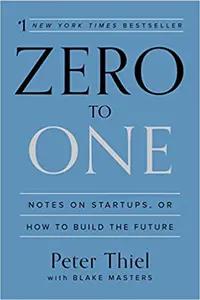
Zero to One
Peter Thiel
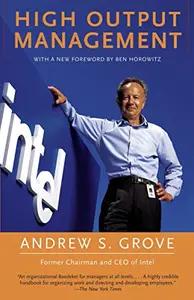
High Output Management
Andrew Grove

Principles
Ray Dalio

Shoe Dog
Phil Knight

Snow Crash
Neal Stephenson

Meditations
Marcus Aurelius
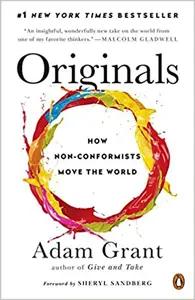
Originals
Adam Grant

Poor Charlie's Almanack
Charlie Munger

The Innovators Dilemma
Clayton Christensen
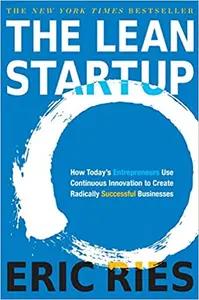
The Lean Startup
Eric Reis
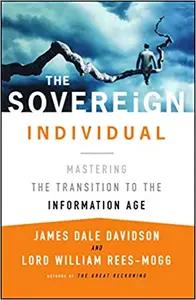
The Sovereign Individual
James Dale Davidson & William Rees-Mogg

High Growth Handbook
Elad Gil
Influence
Robert Cialdini

Principles for Dealing With The Changing World Order
Ray Dalio

Rework
Jason Fried
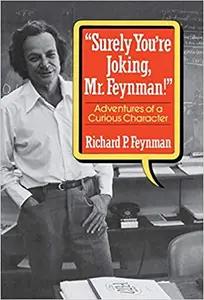
Surely You're Joking Mr. Feynman
Richard Feynman

The Ride of a Lifetime
Bob Iger

The Three Body Problem
Cixin Liu
Thinking, Fast and Slow
Daniel Kahneman

7 Powers
Hamilton Helmer

Antifragile
Nassim Nicholas Taleb

Atlas Shrugged
Ayn Rand

Blitzscaling
Reid Hoffman

Dune
Frank Herbert

Foundation
Isaac Asimov
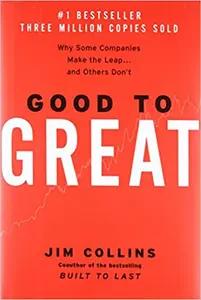
Good To Great
Jim Collins

Hopping Over The Rabbit Hole
Anthony Scaramucci
Man's Search for Meaning
Viktor Frankl