Recommended byBrian Armstrong
About This Book
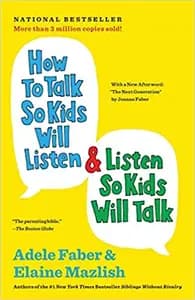
"How to Talk So Kids Will Listen & Listen So Kids Will Talk" by Adele Faber is a practical guide that provides parents and educators with effective techniques to communicate and connect with children in a meaningful way. This book offers valuable insights and strategies to foster mutual understanding, build trust, and resolve conflicts without resorting to power struggles or punishments.
Through a series of real-life examples and easy-to-follow principles, Faber empowers adults to acknowledge and respect children's feelings, enabling them to express themselves more openly. She emphasizes the importance of active listening, allowing children to express their emotions without judgment or interruption. By validating their feelings, parents or caregivers can create an atmosphere of empathy and trust, facilitating better communication and problem-solving.
The book also offers practical advice on how to engage children in decision-making processes, encouraging their independence while setting appropriate boundaries. Faber introduces alternative approaches to discipline, highlighting the significance of natural and logical consequences instead of using threats or punishment.
Furthermore, the author explores the power of encouragement and praise, emphasizing the importance of highlighting a child's efforts rather than solely focusing on achievements. Through constructive feedback and recognition, adults can nurture a child's self-esteem and motivation.
Ultimately, "How to Talk So Kids Will Listen & Listen So Kids Will Talk" equips readers with effective communication tools, encouraging a nurturing environment where children feel heard, respected, and valued. With its valuable insights and concrete strategies, this book offers practical advice for parents, educators, and anyone who seeks to improve their communication skills with children.
Through a series of real-life examples and easy-to-follow principles, Faber empowers adults to acknowledge and respect children's feelings, enabling them to express themselves more openly. She emphasizes the importance of active listening, allowing children to express their emotions without judgment or interruption. By validating their feelings, parents or caregivers can create an atmosphere of empathy and trust, facilitating better communication and problem-solving.
The book also offers practical advice on how to engage children in decision-making processes, encouraging their independence while setting appropriate boundaries. Faber introduces alternative approaches to discipline, highlighting the significance of natural and logical consequences instead of using threats or punishment.
Furthermore, the author explores the power of encouragement and praise, emphasizing the importance of highlighting a child's efforts rather than solely focusing on achievements. Through constructive feedback and recognition, adults can nurture a child's self-esteem and motivation.
Ultimately, "How to Talk So Kids Will Listen & Listen So Kids Will Talk" equips readers with effective communication tools, encouraging a nurturing environment where children feel heard, respected, and valued. With its valuable insights and concrete strategies, this book offers practical advice for parents, educators, and anyone who seeks to improve their communication skills with children.
What People Are Saying
More Praise
Brian Armstrong: "Ostensibly, a book about parenting. But it is really about how to communicate with all people. I found this book quite helpful and it changed how I communicate."
Revisit Your Highlights, Deepen Your Understanding
Import your Kindle highlights to review, organize, and share the ideas that matter most to you.
Get the free browser extension
Share This Book
More Books in Children
View More
The Giving Tree
Shel Silverstein
The Little Prince
Antoine de Saint-Exupery
Bad For You
Kevin C. Pyle & Scott Cunningham
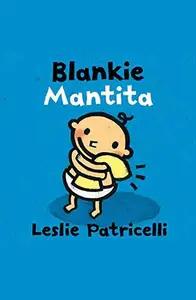
Blankie
Leslie Patricelli
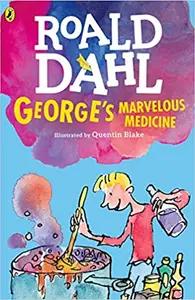
George's Marvellous Medicine
Roald Dahl
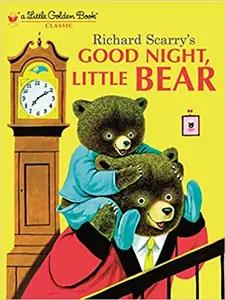
Good Night, Little Bear
Patsy Scarry
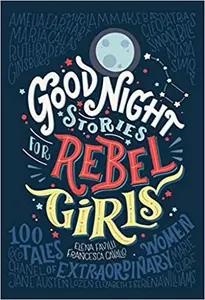
Good Night Stories for Rebel Girls
Francesca Cavallo
Hansel and Gretel
Neil Gaiman
How to Teach Your Baby Math
Glenn Doman
How to Teach Your Baby to Read
Glenn Doman
I am Anne Frank
Brad Meltzer
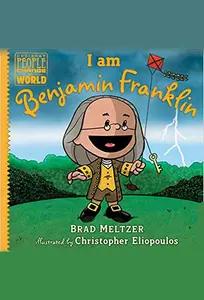
I am Benjamin Franklin
Brad Meltzer
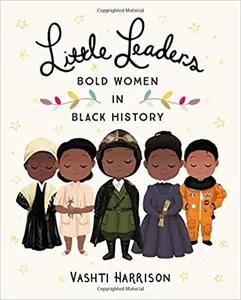
Little Leaders
Vashti Harrison
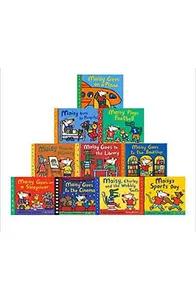
Maisy Mouse Collection
Lucy Cousins
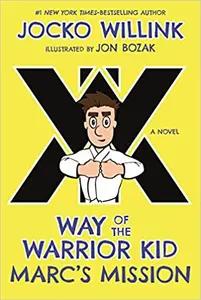
Marc's Mission
Jocko Willink
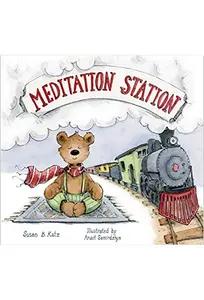
Meditation Station
Susan Katz
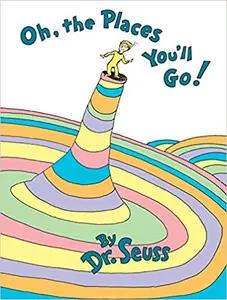
Oh, The Place You'll Go
Dr Seuss
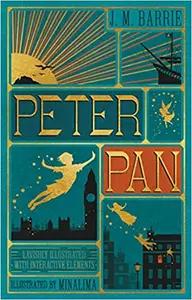
Peter Pan
J. M. Barrie
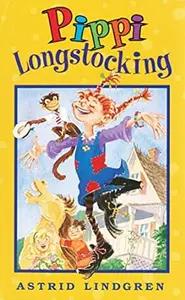
Pippi Longstocking
Astrid Lindgren
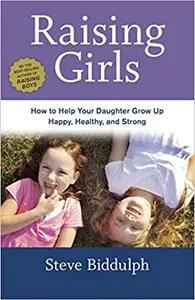
Raising Girls
Steve Biddulph

Simon the Sea Cat
Marcus Sterne
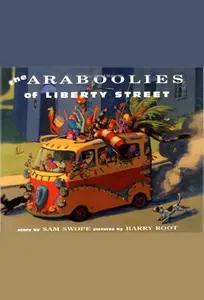
The Araboolies of Liberty Street
Sam Swope
The Big Ship and Little Digger
Ryan Petersen
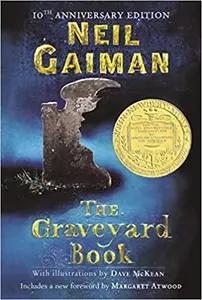
The Graveyard Book
Neil Gaiman
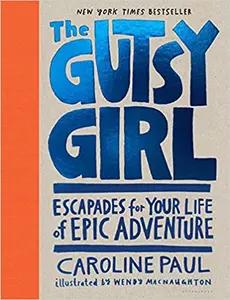
The Gutsy Girl
Caroline Paul
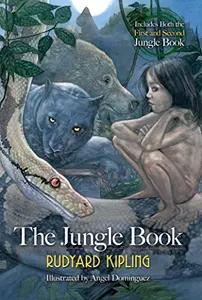
The Jungle Book
Rudyard Kipling
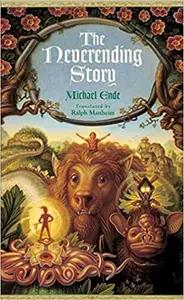
The Neverending Story
Michael Ende
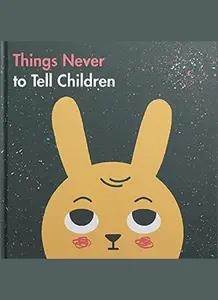
Things Never To Tell Children
The School of Life
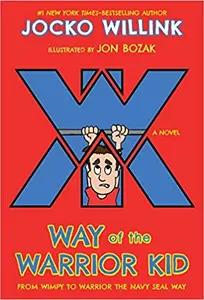
Way of the Warrior Kid
Jocko Willink

Way of the Warrior Kid 3
Jocko Willink
Popular Books Recommended by Great Minds 📚
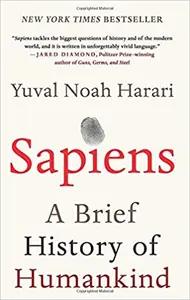
Sapiens
Yuval Noah Harari
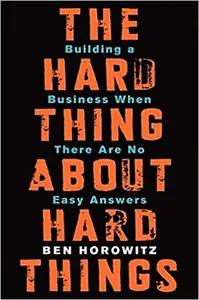
The Hard Thing About Hard Things
Ben Horowitz
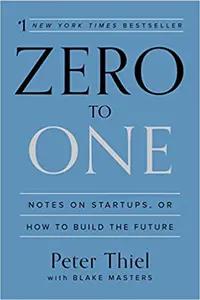
Zero to One
Peter Thiel
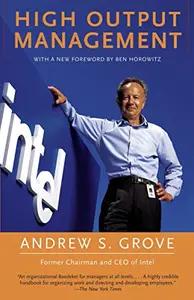
High Output Management
Andrew Grove
Principles
Ray Dalio
Shoe Dog
Phil Knight
Snow Crash
Neal Stephenson
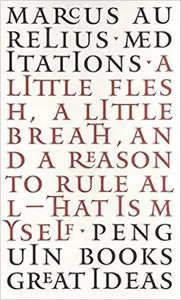
Meditations
Marcus Aurelius
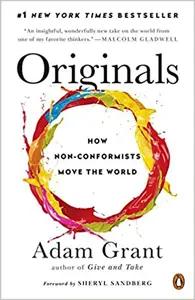
Originals
Adam Grant

Poor Charlie's Almanack
Charlie Munger

The Innovators Dilemma
Clayton Christensen
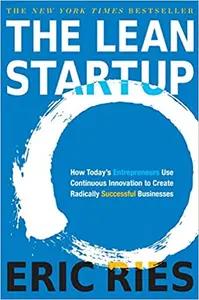
The Lean Startup
Eric Reis
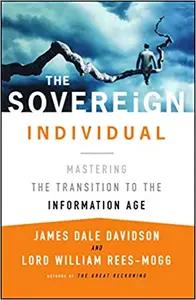
The Sovereign Individual
James Dale Davidson & William Rees-Mogg
High Growth Handbook
Elad Gil
Influence
Robert Cialdini
Principles for Dealing With The Changing World Order
Ray Dalio
Rework
Jason Fried
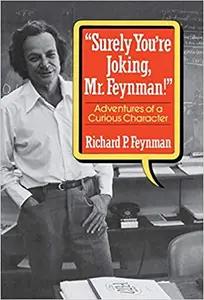
Surely You're Joking Mr. Feynman
Richard Feynman

The Ride of a Lifetime
Bob Iger
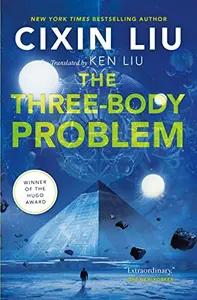
The Three Body Problem
Cixin Liu
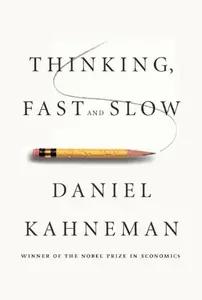
Thinking, Fast and Slow
Daniel Kahneman
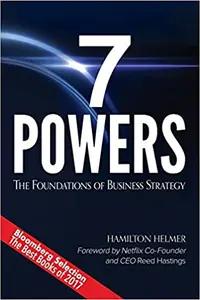
7 Powers
Hamilton Helmer
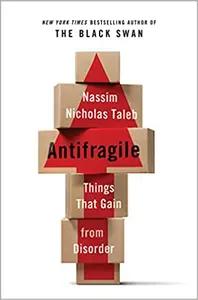
Antifragile
Nassim Nicholas Taleb
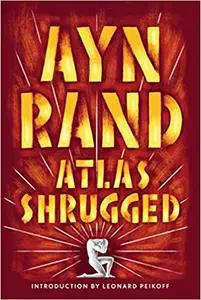
Atlas Shrugged
Ayn Rand
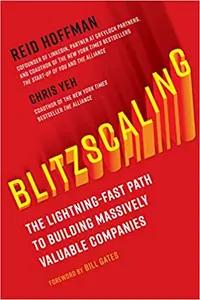
Blitzscaling
Reid Hoffman
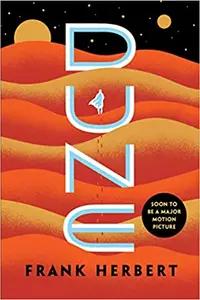
Dune
Frank Herbert

Foundation
Isaac Asimov
Good To Great
Jim Collins
Hopping Over The Rabbit Hole
Anthony Scaramucci
Man's Search for Meaning
Viktor Frankl