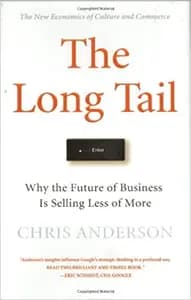
About This Book
"The Long Tail" by Chris Anderson explores the concept of a shift in consumer behavior and the emergence of a new economic model in the digital age. Anderson argues that traditional business strategies have focused on catering to the demands of the mass market, while neglecting the vast potential of niche markets.
This model is represented by a power-law distribution curve, where a small number of popular products or services dominate the market. However, with the advent of the internet and online platforms, Anderson suggests that the cost of distribution has significantly decreased, allowing for the proliferation of products and services that cater to specialized interests.
This creates what Anderson terms the "long tail," a multitude of niche offerings that collectively have the potential to generate substantial revenue and customer satisfaction. He asserts that by shifting focus from the hits to the niches, businesses can tap into this untapped market and cater to individual preferences.
Through extensive research, Anderson presents various case studies, examining the success of companies such as Amazon, Netflix, and Google, who have harnessed the power of the long tail. He provides insights into methods for capturing demand within niche markets, such as personalization, recommendation algorithms, and user-generated content.
Moreover, Anderson explores the impact of the long tail on cultural diversification, noting how it has democratized access to information, entertainment, and creativity, leading to a more inclusive and diverse media landscape.
In "The Long Tail," Chris Anderson presents a compelling argument for embracing the long tail model in both business and culture. By leveraging the power of niche markets enabled by technology, businesses can thrive in the digital age, and consumers can access a wider range of offerings tailored to their individual interests and preferences.
This model is represented by a power-law distribution curve, where a small number of popular products or services dominate the market. However, with the advent of the internet and online platforms, Anderson suggests that the cost of distribution has significantly decreased, allowing for the proliferation of products and services that cater to specialized interests.
This creates what Anderson terms the "long tail," a multitude of niche offerings that collectively have the potential to generate substantial revenue and customer satisfaction. He asserts that by shifting focus from the hits to the niches, businesses can tap into this untapped market and cater to individual preferences.
Through extensive research, Anderson presents various case studies, examining the success of companies such as Amazon, Netflix, and Google, who have harnessed the power of the long tail. He provides insights into methods for capturing demand within niche markets, such as personalization, recommendation algorithms, and user-generated content.
Moreover, Anderson explores the impact of the long tail on cultural diversification, noting how it has democratized access to information, entertainment, and creativity, leading to a more inclusive and diverse media landscape.
In "The Long Tail," Chris Anderson presents a compelling argument for embracing the long tail model in both business and culture. By leveraging the power of niche markets enabled by technology, businesses can thrive in the digital age, and consumers can access a wider range of offerings tailored to their individual interests and preferences.
What People Are Saying
“It belongs on the shelf between The Tipping Point and Freakonomics.”
More Praise
Seth Godin: "A book I wish I had written. There aren’t many books I haven’t written that I wish I had written and this is one of them. If you care about how ideas spread in our culture and you want to understand issues around scarcity and abundance, about how we pick what we want in an era when the gatekeepers have left the building, well, The Long Tail will help you see it."
Revisit Your Highlights, Deepen Your Understanding
Import your Kindle highlights to review, organize, and share the ideas that matter most to you.
Get the free browser extension
Share This Book
More Books in Business
View More
High Output Management
Andrew Grove
Principles
Ray Dalio
Shoe Dog
Phil Knight
Originals
Adam Grant
Rework
Jason Fried
The Ride of a Lifetime
Bob Iger
7 Powers
Hamilton Helmer
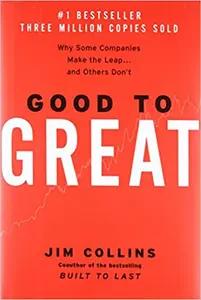
Good To Great
Jim Collins
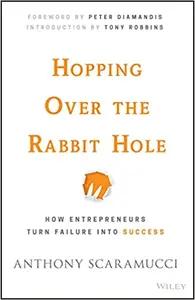
Hopping Over The Rabbit Hole
Anthony Scaramucci
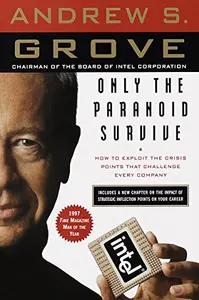
Only the Paranoid Survive
Andy Grove
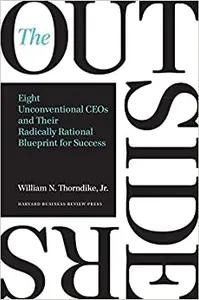
The Outsiders
William Thorndike
Creativity, Inc.
Ed Catmull
Crossing the Chasm
Geoffrey Moore
Bad Blood
John Carreyrou
Loonshots
Safi Bahcall
Measure What Matters
John Doerr
Range
David Epstein

The Great CEO Within
Matt Mochary
The Power of Habit
Charles Duhigg
The Third Wave
Steve Case
Built To Last
Jim Collins
Getting to Yes
Roger Fisher
Lean In
Sheryl Sandberg

Made to Stick
Chip Heath
Negotiating The Impossible
Deepak Malhotra
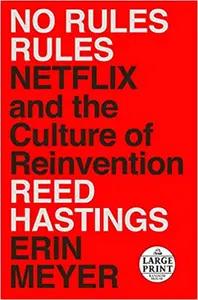
No Rules Rules
Reed Hastings
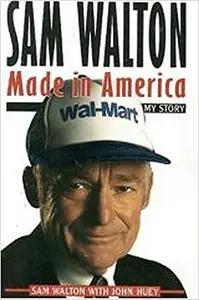
Sam Walton
Sam Walton
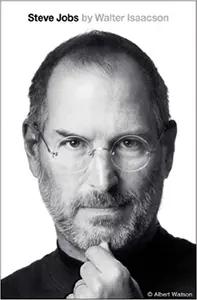
Steve Jobs
Walter Isaacson
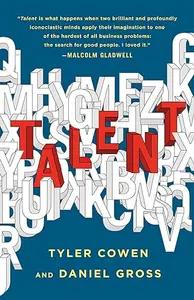
Talent
Tyler Cowen & Daniel Gross
The Fish That Ate The Whale
Rich Cohen
Popular Books Recommended by Great Minds 📚
Sapiens
Yuval Noah Harari
The Hard Thing About Hard Things
Ben Horowitz
Zero to One
Peter Thiel
High Output Management
Andrew Grove
Principles
Ray Dalio
Shoe Dog
Phil Knight
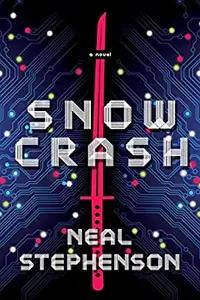
Snow Crash
Neal Stephenson

Meditations
Marcus Aurelius
Originals
Adam Grant

Poor Charlie's Almanack
Charlie Munger
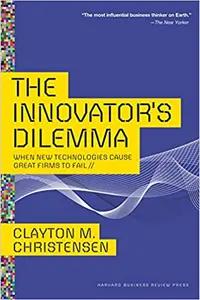
The Innovators Dilemma
Clayton Christensen
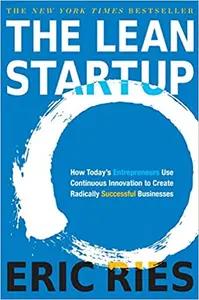
The Lean Startup
Eric Reis
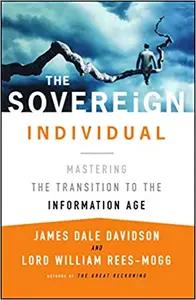
The Sovereign Individual
James Dale Davidson & William Rees-Mogg
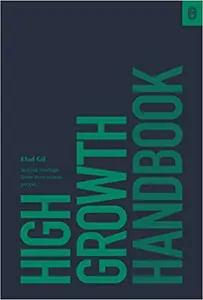
High Growth Handbook
Elad Gil
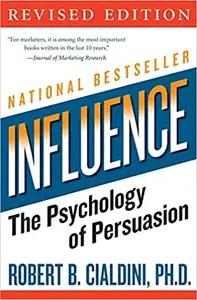
Influence
Robert Cialdini
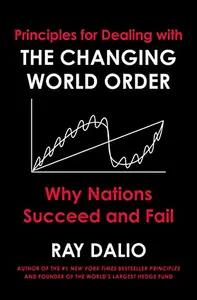
Principles for Dealing With The Changing World Order
Ray Dalio
Rework
Jason Fried
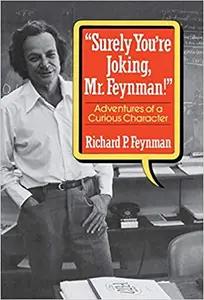
Surely You're Joking Mr. Feynman
Richard Feynman
The Ride of a Lifetime
Bob Iger
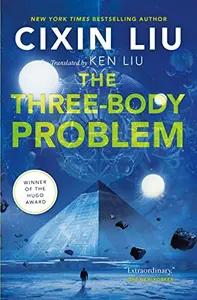
The Three Body Problem
Cixin Liu
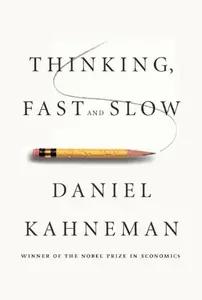
Thinking, Fast and Slow
Daniel Kahneman
7 Powers
Hamilton Helmer
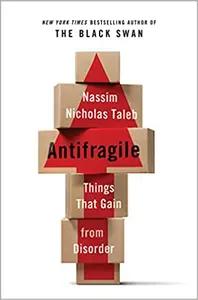
Antifragile
Nassim Nicholas Taleb
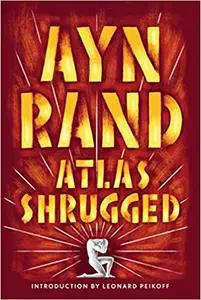
Atlas Shrugged
Ayn Rand
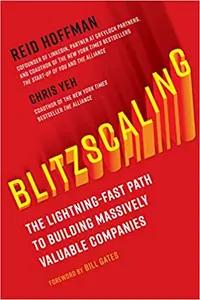
Blitzscaling
Reid Hoffman
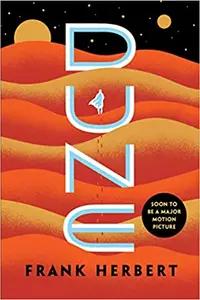
Dune
Frank Herbert

Foundation
Isaac Asimov
Good To Great
Jim Collins
Hopping Over The Rabbit Hole
Anthony Scaramucci
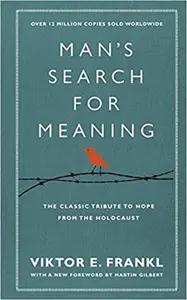
Man's Search for Meaning
Viktor Frankl