Recommended byPatrick O Shaughnessy
About This Book
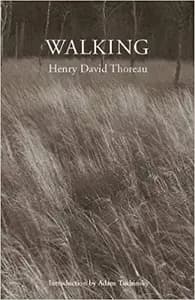
"Walking" by Henry David Thoreau is a profound exploration of the act of walking and its significance in our connection with nature and our own selves.
Thoreau delves into the transformative power of ambulation, emphasizing the need for individuals to embark on purposeful walks to discover the true essence of life. He encourages readers to drift away from the hustle and bustle of society and immerse themselves in the simplicity and beauty of the natural world.
Through eloquent prose, Thoreau shares his personal experiences of walking in various landscapes, from meandering through forests to striding across snow-covered fields. He highlights the importance of quiet observation and contemplation during these excursions, providing insights into the connection between walking and thinking.
The author also delves into the historical, cultural, and philosophical aspects of walking, referencing figures like Plato and Wordsworth to highlight the longstanding tradition of walkers who have sought truth, clarity, and enlightenment through this act.
Thoreau's reflections on walking weave together musings on topics such as solitude, freedom, and the environment. He implores readers to appreciate the magnificence of the Earth and to reevaluate their own relationship with it. He invites individuals to walk with intention, to truly see the world around them, and to recognize the value of simplicity and self-discovery that can be found on a path less traveled.
In "Walking," Thoreau's lyrical prose invites readers to reflect on the importance of slowing down, connecting with nature, and embracing the transformative power of walking. It serves as a reminder to appreciate the world we live in and to venture forth with a renewed sense of curiosity and reverence.
Thoreau delves into the transformative power of ambulation, emphasizing the need for individuals to embark on purposeful walks to discover the true essence of life. He encourages readers to drift away from the hustle and bustle of society and immerse themselves in the simplicity and beauty of the natural world.
Through eloquent prose, Thoreau shares his personal experiences of walking in various landscapes, from meandering through forests to striding across snow-covered fields. He highlights the importance of quiet observation and contemplation during these excursions, providing insights into the connection between walking and thinking.
The author also delves into the historical, cultural, and philosophical aspects of walking, referencing figures like Plato and Wordsworth to highlight the longstanding tradition of walkers who have sought truth, clarity, and enlightenment through this act.
Thoreau's reflections on walking weave together musings on topics such as solitude, freedom, and the environment. He implores readers to appreciate the magnificence of the Earth and to reevaluate their own relationship with it. He invites individuals to walk with intention, to truly see the world around them, and to recognize the value of simplicity and self-discovery that can be found on a path less traveled.
In "Walking," Thoreau's lyrical prose invites readers to reflect on the importance of slowing down, connecting with nature, and embracing the transformative power of walking. It serves as a reminder to appreciate the world we live in and to venture forth with a renewed sense of curiosity and reverence.
What People Are Saying
“A short, relaxing essay that shows how walking leads to a better, fresher mindset.”
Revisit Your Highlights, Deepen Your Understanding
Import your Kindle highlights to review, organize, and share the ideas that matter most to you.
Get the free browser extension
Share This Book
More Books in Health
View More
Why We Sleep
Matthew Walker
Breath
James Nestor
Lifespan
David Sinclair
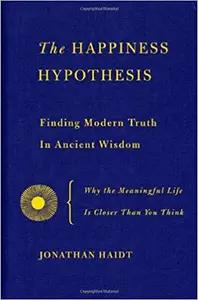
The Happiness Hypothesis
Jonathan Haidt

Burn
Herman Pontzer
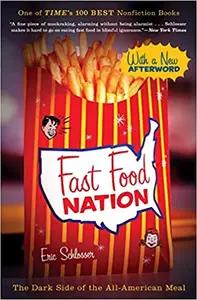
Fast Food Nation
Eric Schlosser
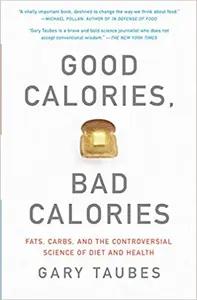
Good Calories, Bad Calories
Gary Taubes
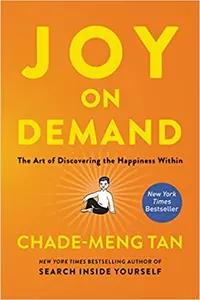
Joy on Demand
Chade-Meng Tan
Love Yourself Like Your Life Depends On It
Kamal Ravikant
Mindfulness in Plain English
Bhante Henepola Gunaratana
On Immunity
Eula Biss
Outlive
Peter Attia
The Case Against Sugar
Gary Taubes
The Great Influenza
John M. Barry
The Sleep Revolution
Arianna Huffington
A Shot To Save The World
Gregory Zuckerman

Adult Children of Alcoholics
Janet Geringer Woititz
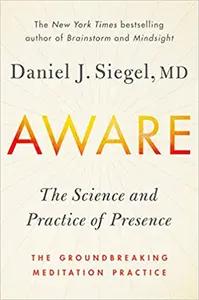
Aware
Daniel Siegel
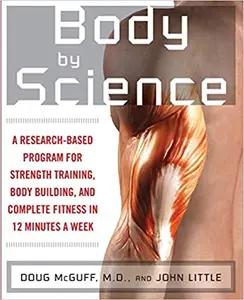
Body by Science
John Little
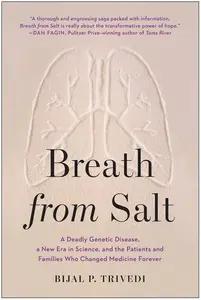
Breath From Salt
Bijal P. Trivedi
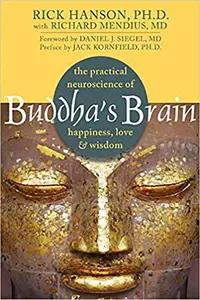
Buddha's Brain
Rick Hanson
Catastrophic Care
David Goldhill
Consciousness Medicine
Françoise Bourzat
Dreamland
Sam Quinones

Eating Animals
Jonathan Safran Foer
Experimental Man
David Ewing Duncan

Flu
Gina Kolata
Free The Animal
Richard Nikoley
House On Fire
Bill Foege
Merchants of Doubt
Naomi Oreskes
Popular Books Recommended by Great Minds 📚
Sapiens
Yuval Noah Harari
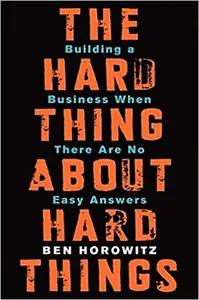
The Hard Thing About Hard Things
Ben Horowitz
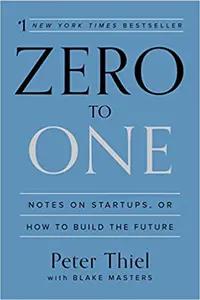
Zero to One
Peter Thiel
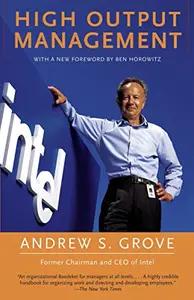
High Output Management
Andrew Grove
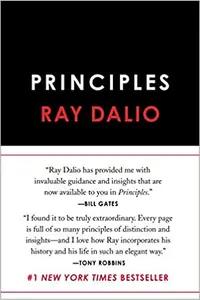
Principles
Ray Dalio
Shoe Dog
Phil Knight
Snow Crash
Neal Stephenson
Meditations
Marcus Aurelius
Originals
Adam Grant
Poor Charlie's Almanack
Charlie Munger

The Innovators Dilemma
Clayton Christensen
The Lean Startup
Eric Reis
The Sovereign Individual
James Dale Davidson & William Rees-Mogg
High Growth Handbook
Elad Gil
Influence
Robert Cialdini
Principles for Dealing With The Changing World Order
Ray Dalio
Rework
Jason Fried
Surely You're Joking Mr. Feynman
Richard Feynman
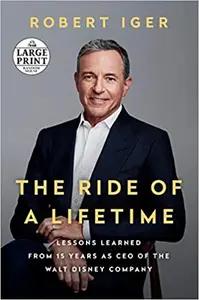
The Ride of a Lifetime
Bob Iger
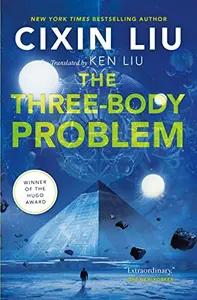
The Three Body Problem
Cixin Liu
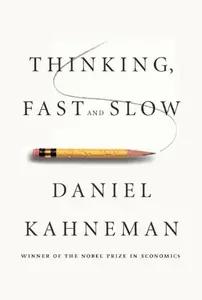
Thinking, Fast and Slow
Daniel Kahneman
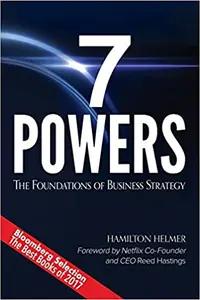
7 Powers
Hamilton Helmer
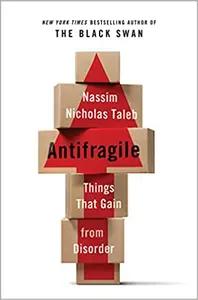
Antifragile
Nassim Nicholas Taleb
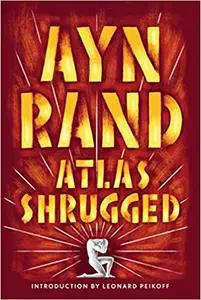
Atlas Shrugged
Ayn Rand
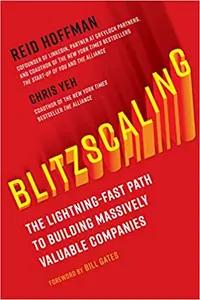
Blitzscaling
Reid Hoffman
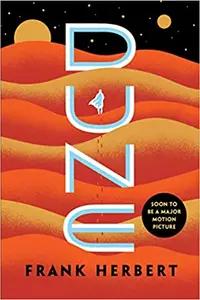
Dune
Frank Herbert

Foundation
Isaac Asimov
Good To Great
Jim Collins
Hopping Over The Rabbit Hole
Anthony Scaramucci
Man's Search for Meaning
Viktor Frankl