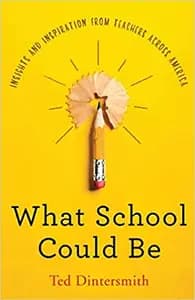
What School Could Be: Insights and Inspiration from Teachers across America
by Ted Dintersmith
Recommended byAnn Miura Ko
About This Book
"What School Could Be" by Ted Dintersmith offers a thought-provoking exploration of the current state of education in America and presents alternative and innovative visions for what schools could be. Dintersmith covers his journey visiting schools in all fifty states, examining the successes and failures of the education system through the lens of real stories and experiences.
Through powerful anecdotes and interviews, the book showcases inspiring examples where educators are challenging traditional practices and pushing boundaries to engage students in meaningful learning. Dintersmith champions the idea of empowering teachers to take risks and implement creativity in their classrooms, instead of relying on standardized testing.
Additionally, "What School Could Be" delves into the importance of promoting critical thinking, problem-solving, and real-world skills in our educational institutions. The author emphasizes the significance of treating students as individuals with unique strengths and passions, arguing that personalized learning is key to unlocking their full potential.
Furthermore, Dintersmith addresses the need for educational equality, pushing for changes that address socioeconomic disparities in access to quality education. He argues persuasively for a shift in priorities towards more holistic and relevant educational models, centred on nurturing students' curiosity, passion, and resilience.
In summary, "What School Could Be" is a compelling critique of the current American education system, presenting inspiring stories and proposing actionable ideas for transformation. It challenges the status quo and urges readers to reimagine schools as places that foster curiosity, innovation, and a love for lifelong learning.
Through powerful anecdotes and interviews, the book showcases inspiring examples where educators are challenging traditional practices and pushing boundaries to engage students in meaningful learning. Dintersmith champions the idea of empowering teachers to take risks and implement creativity in their classrooms, instead of relying on standardized testing.
Additionally, "What School Could Be" delves into the importance of promoting critical thinking, problem-solving, and real-world skills in our educational institutions. The author emphasizes the significance of treating students as individuals with unique strengths and passions, arguing that personalized learning is key to unlocking their full potential.
Furthermore, Dintersmith addresses the need for educational equality, pushing for changes that address socioeconomic disparities in access to quality education. He argues persuasively for a shift in priorities towards more holistic and relevant educational models, centred on nurturing students' curiosity, passion, and resilience.
In summary, "What School Could Be" is a compelling critique of the current American education system, presenting inspiring stories and proposing actionable ideas for transformation. It challenges the status quo and urges readers to reimagine schools as places that foster curiosity, innovation, and a love for lifelong learning.
What People Are Saying
More Praise
Ann Miura-Ko: "Reading [What School Could Be] has not only given me hope, but also a desire to see real change in the public school education system. That’s one book that I would really push onto other people."
Revisit Your Highlights, Deepen Your Understanding
Import your Kindle highlights to review, organize, and share the ideas that matter most to you.
Get the free browser extension
Share This Book
More Books in Education
View More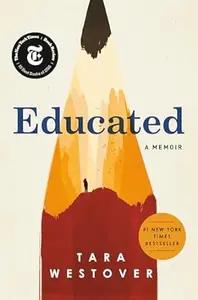
Educated
Tara Westover
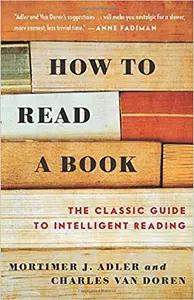
How to Read a Book
Mortimer J. Adler
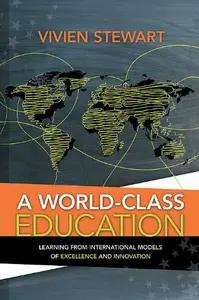
A World-Class Education
Vivien Stewart
Academically Adrift
Richard Arum & Josipa Roska
Applied Minds
Guruprasad Madhavan
Breaking Out of Beginner's Spanish
Joseph Keenan
Change.edu
Andrew S. Rosen
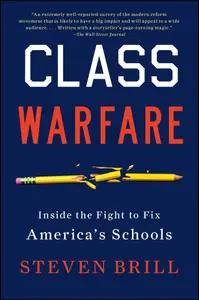
Class Warfare
Steven Brill
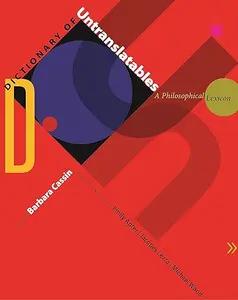
Dictionary of Untranslatables
Barbara Cassin
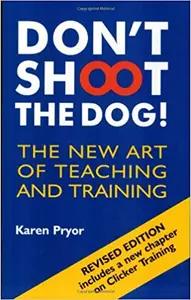
Don't Shoot the Dog!
Karen Pryor
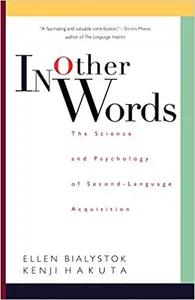
In Other Words
Ellen Bialystok
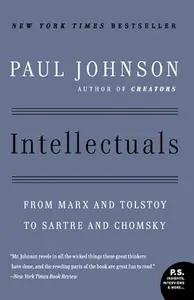
Intellectuals
Paul Johnson
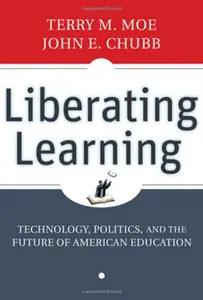
Liberating Learning
Terry M. Moe & John E. Chubb
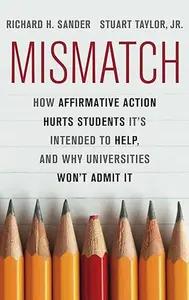
Mismatch
Richard Sander
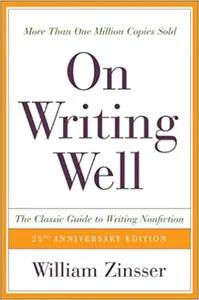
On Writing Well
William Zinsser
Pilot's Handbook of Aeronautical Knowledge
Federal Aviation Administration
Prepared
Diane Tavenner
Simple & Direct
Jacques Barzun
Speak Like Churchill, Stand Like Lincoln
James C. Humes
Stretching the School Dollar
Frederick M. Hess & Eric Osberg
The Big Test
Nicholas Lemann
The Captive Mind
Czeslaw Milos
The Closing of the American Mind
Allan Bloom
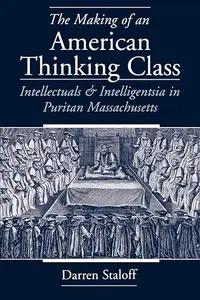
The Making of an American Thinking Class
Darren Staloff
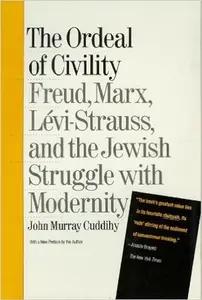
The Ordeal of Civility
John Murray Cuddihy
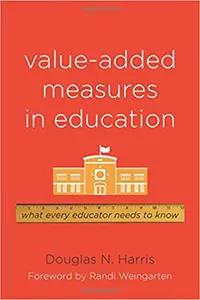
Value-added Measures in Education
Douglas N Harris
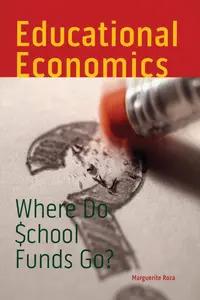
Where Do School Funds Go?
Marguerite Roza
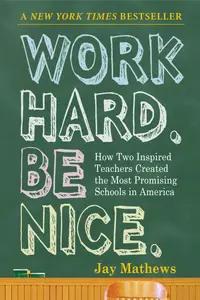
Work Hard. Be Nice.
Jay Matthews
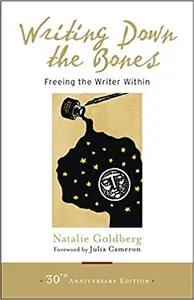
Writing Down The Bones
Natalie Goldberg
Popular Books Recommended by Great Minds 📚
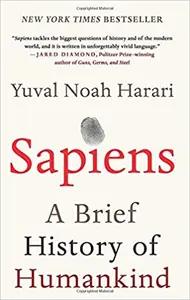
Sapiens
Yuval Noah Harari
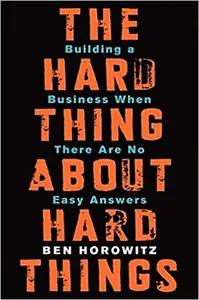
The Hard Thing About Hard Things
Ben Horowitz
Zero to One
Peter Thiel
High Output Management
Andrew Grove
Principles
Ray Dalio
Shoe Dog
Phil Knight
Snow Crash
Neal Stephenson
Meditations
Marcus Aurelius
Originals
Adam Grant
Poor Charlie's Almanack
Charlie Munger
The Innovators Dilemma
Clayton Christensen
The Lean Startup
Eric Reis
The Sovereign Individual
James Dale Davidson & William Rees-Mogg
High Growth Handbook
Elad Gil
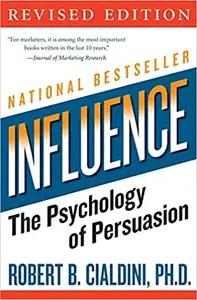
Influence
Robert Cialdini
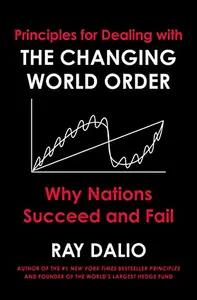
Principles for Dealing With The Changing World Order
Ray Dalio
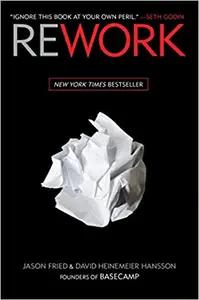
Rework
Jason Fried
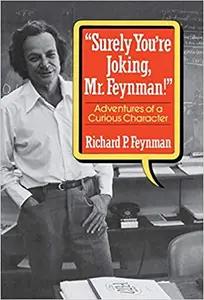
Surely You're Joking Mr. Feynman
Richard Feynman
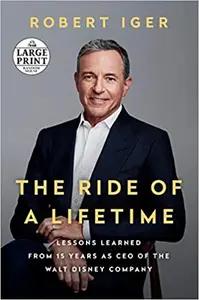
The Ride of a Lifetime
Bob Iger
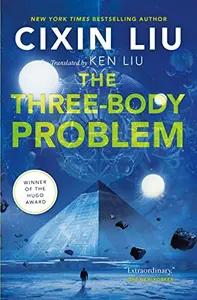
The Three Body Problem
Cixin Liu
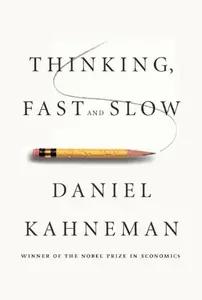
Thinking, Fast and Slow
Daniel Kahneman
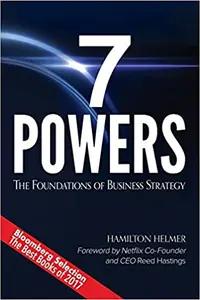
7 Powers
Hamilton Helmer
Antifragile
Nassim Nicholas Taleb
Atlas Shrugged
Ayn Rand
Blitzscaling
Reid Hoffman
Dune
Frank Herbert
Foundation
Isaac Asimov
Good To Great
Jim Collins
Hopping Over The Rabbit Hole
Anthony Scaramucci
Man's Search for Meaning
Viktor Frankl