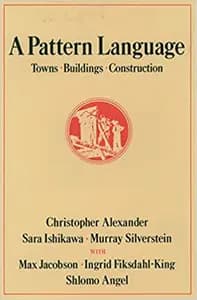
About This Book
"A Pattern Language" by Christopher Alexander presents a comprehensive and influential guide to the design, creation, and arrangement of spaces that are both functional and meaningful. This landmark book introduces the concept of a pattern language – a set of timeless design principles that can be applied to various architectural and urban planning projects.
With a focus on the reader's experience and the importance of creating spaces that foster human interaction and well-being, Alexander breaks down the process of design into 253 individual patterns. These patterns span a wide range of scales, from large-scale urban planning to the arrangement of furniture in a room.
Each pattern is carefully explained and illustrated, providing practical insights and inspiring ideas for designers, architects, and individuals interested in creating their own spaces. Alexander emphasizes the significance of incorporating natural materials, harmonious proportions, and architectural features that connect people to their surroundings.
"A Pattern Language" not only offers a set of guidelines, but also encourages readers to consider how these patterns can be adapted and combined to suit their unique needs and aspirations. By recognizing the inherent qualities of successful design, this book aims to empower readers to create spaces that are aesthetically pleasing, functional, and meaningful – ultimately enhancing the quality of life for individuals and communities alike.
Throughout its pages, "A Pattern Language" challenges conventional design practices, encouraging a more holistic and human-centered approach to architecture and urban planning. As an enduring reference and a source of inspiration, this book continues to shape the way we think about and create the spaces in which we live, work, and interact.
With a focus on the reader's experience and the importance of creating spaces that foster human interaction and well-being, Alexander breaks down the process of design into 253 individual patterns. These patterns span a wide range of scales, from large-scale urban planning to the arrangement of furniture in a room.
Each pattern is carefully explained and illustrated, providing practical insights and inspiring ideas for designers, architects, and individuals interested in creating their own spaces. Alexander emphasizes the significance of incorporating natural materials, harmonious proportions, and architectural features that connect people to their surroundings.
"A Pattern Language" not only offers a set of guidelines, but also encourages readers to consider how these patterns can be adapted and combined to suit their unique needs and aspirations. By recognizing the inherent qualities of successful design, this book aims to empower readers to create spaces that are aesthetically pleasing, functional, and meaningful – ultimately enhancing the quality of life for individuals and communities alike.
Throughout its pages, "A Pattern Language" challenges conventional design practices, encouraging a more holistic and human-centered approach to architecture and urban planning. As an enduring reference and a source of inspiration, this book continues to shape the way we think about and create the spaces in which we live, work, and interact.
What People Are Saying
“Love that book.”
More Praise
Patrick Collison included this book on his list of recommended books. This book was on Sam Altman's bookshelf.
Revisit Your Highlights, Deepen Your Understanding
Import your Kindle highlights to review, organize, and share the ideas that matter most to you.
Get the free browser extension
Share This Book
More Books in Design
View More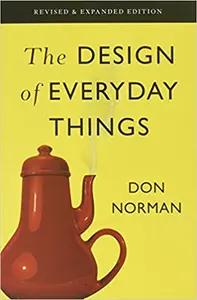
The Design of Everyday Things
Don Norman
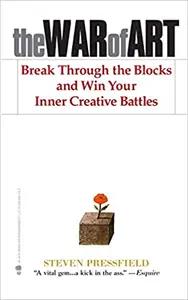
The War of Art
Steven Pressfield
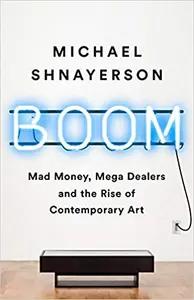
Boom
Michael Shnayerson
Hooked
Nir Eyal
In Praise of Shadows
Junichiro Tanizaki

Matthew Barney & Elizabeth Peyton
Angus Cook
Portraits of Interiors
Axel Vervoordt
Seeing Is Forgetting the Name of the Thing One Sees
Lawrence Weschler

The Art of Spirited Away
Hayao Miyazaki

The Immateriality of the Material
Claudio Silvestrin
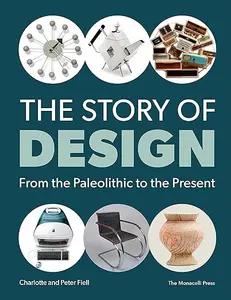
The Story of Design
Charlotte and Peter Fiell
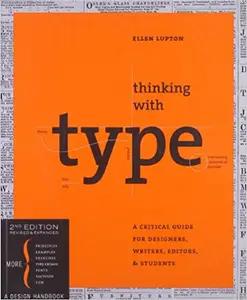
Thinking with Type
Ellen Lupton
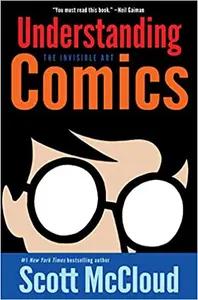
Understanding Comics
Scott McCloud
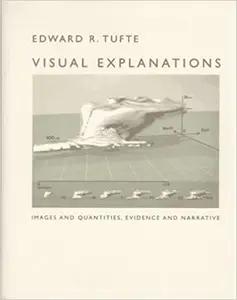
Visual Explanations
Edward Tufte
Popular Books Recommended by Great Minds 📚
Sapiens
Yuval Noah Harari
The Hard Thing About Hard Things
Ben Horowitz
Zero to One
Peter Thiel
High Output Management
Andrew Grove
Principles
Ray Dalio
Shoe Dog
Phil Knight

Snow Crash
Neal Stephenson
Meditations
Marcus Aurelius
Originals
Adam Grant
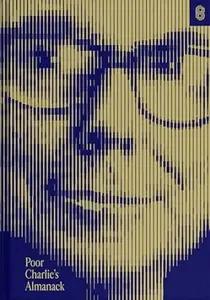
Poor Charlie's Almanack
Charlie Munger

The Innovators Dilemma
Clayton Christensen
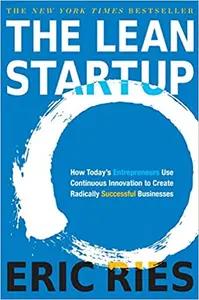
The Lean Startup
Eric Reis
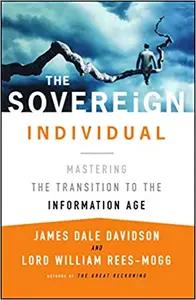
The Sovereign Individual
James Dale Davidson & William Rees-Mogg
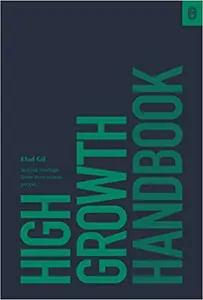
High Growth Handbook
Elad Gil
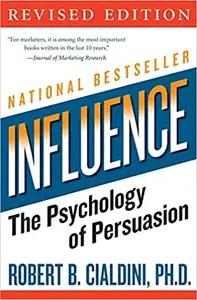
Influence
Robert Cialdini
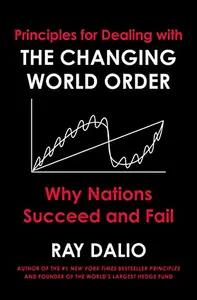
Principles for Dealing With The Changing World Order
Ray Dalio
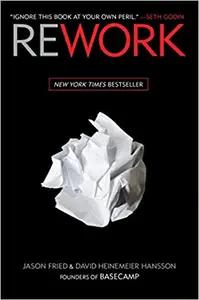
Rework
Jason Fried
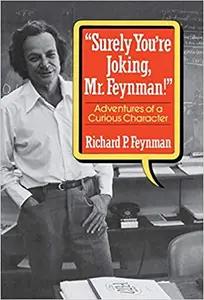
Surely You're Joking Mr. Feynman
Richard Feynman

The Ride of a Lifetime
Bob Iger
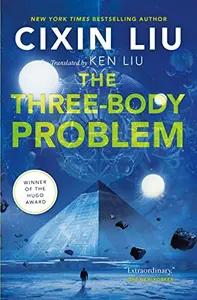
The Three Body Problem
Cixin Liu
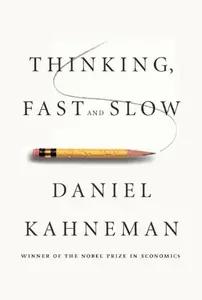
Thinking, Fast and Slow
Daniel Kahneman
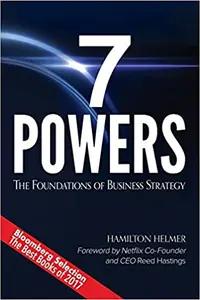
7 Powers
Hamilton Helmer
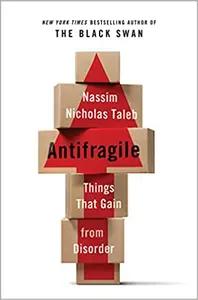
Antifragile
Nassim Nicholas Taleb
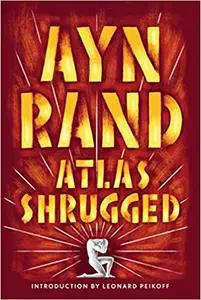
Atlas Shrugged
Ayn Rand
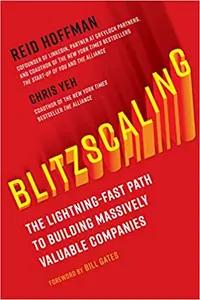
Blitzscaling
Reid Hoffman
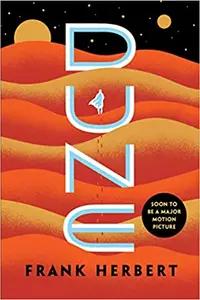
Dune
Frank Herbert
Foundation
Isaac Asimov
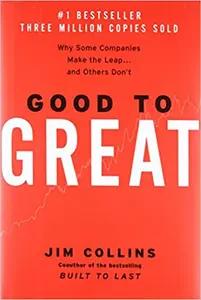
Good To Great
Jim Collins
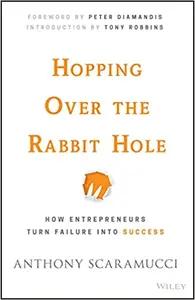
Hopping Over The Rabbit Hole
Anthony Scaramucci
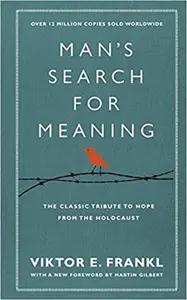
Man's Search for Meaning
Viktor Frankl