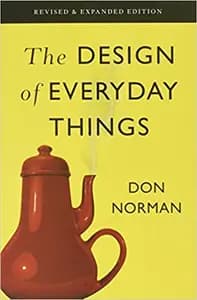
About This Book
"The Design of Everyday Things" by Don Norman is a thought-provoking exploration of the principles and psychology behind good design. In this impactful book, Norman challenges both designers and users to reevaluate the way they interact with objects and products in their daily lives.
By examining the common frustrations and failures that arise from poorly designed objects, Norman illustrates the importance of understanding user-centered design. He outlines practical strategies for creating intuitive and user-friendly designs, emphasizing the need to consider people's natural abilities, behaviors, and limitations.
Through engaging anecdotes and real-world examples, Norman demonstrates how thoughtful design can transform the user experience. He delves into various topics, including the concept of affordances, which refers to the perceived abilities and potential uses an object offers to its users.
Norman also delves into the psychology of user error and the critical role of feedback in design. He argues that errors are not solely the fault of the user but often a consequence of confusing or poorly designed interfaces. He pinpoints features that enhance discoverability and help users easily understand and navigate through complex systems.
As technology continues to shape our lives, Norman stresses the importance of designing with empathy and inclusivity. He explores the challenges posed by emerging technologies, such as automation and artificial intelligence, and emphasizes the need for ethical decision-making to ensure positive outcomes for users.
"The Design of Everyday Things" is a must-read for designers, engineers, and anyone who wants to understand how good design can enhance their daily interactions. With its clear-cut principles and actionable advice, this book is a valuable resource that will inspire the reader to think critically about the objects that surround them and drive meaningful change in the world of design.
By examining the common frustrations and failures that arise from poorly designed objects, Norman illustrates the importance of understanding user-centered design. He outlines practical strategies for creating intuitive and user-friendly designs, emphasizing the need to consider people's natural abilities, behaviors, and limitations.
Through engaging anecdotes and real-world examples, Norman demonstrates how thoughtful design can transform the user experience. He delves into various topics, including the concept of affordances, which refers to the perceived abilities and potential uses an object offers to its users.
Norman also delves into the psychology of user error and the critical role of feedback in design. He argues that errors are not solely the fault of the user but often a consequence of confusing or poorly designed interfaces. He pinpoints features that enhance discoverability and help users easily understand and navigate through complex systems.
As technology continues to shape our lives, Norman stresses the importance of designing with empathy and inclusivity. He explores the challenges posed by emerging technologies, such as automation and artificial intelligence, and emphasizes the need for ethical decision-making to ensure positive outcomes for users.
"The Design of Everyday Things" is a must-read for designers, engineers, and anyone who wants to understand how good design can enhance their daily interactions. With its clear-cut principles and actionable advice, this book is a valuable resource that will inspire the reader to think critically about the objects that surround them and drive meaningful change in the world of design.
What People Are Saying
More Praise
Marissa Mayer's favorite book. Tobi Lutke mentioned 'The Design of Everyday Things' on Patrick O'Shaugnessy's 'Invest Like The Best' podcast.
Revisit Your Highlights, Deepen Your Understanding
Import your Kindle highlights to review, organize, and share the ideas that matter most to you.
Get the free browser extension
Share This Book
More Books in Design
View More
A Pattern Language
Christopher Alexander
The War of Art
Steven Pressfield
Boom
Michael Shnayerson
Hooked
Nir Eyal

In Praise of Shadows
Junichiro Tanizaki

Matthew Barney & Elizabeth Peyton
Angus Cook

Portraits of Interiors
Axel Vervoordt
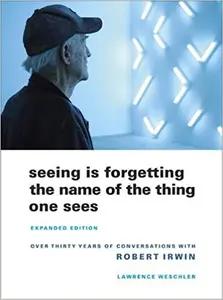
Seeing Is Forgetting the Name of the Thing One Sees
Lawrence Weschler

The Art of Spirited Away
Hayao Miyazaki

The Immateriality of the Material
Claudio Silvestrin
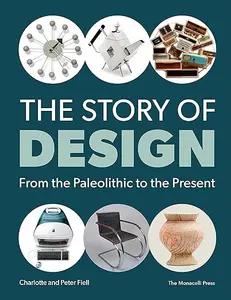
The Story of Design
Charlotte and Peter Fiell
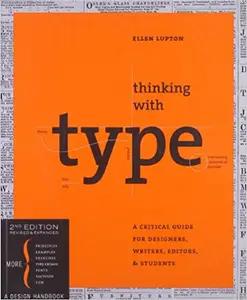
Thinking with Type
Ellen Lupton
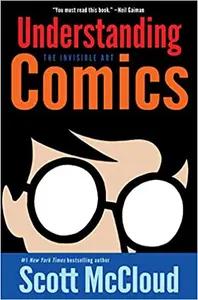
Understanding Comics
Scott McCloud
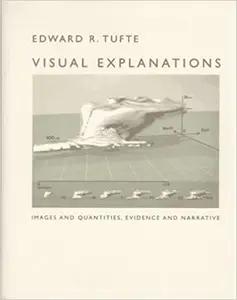
Visual Explanations
Edward Tufte
Popular Books Recommended by Great Minds 📚
Sapiens
Yuval Noah Harari
The Hard Thing About Hard Things
Ben Horowitz
Zero to One
Peter Thiel
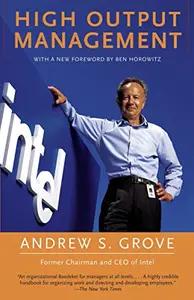
High Output Management
Andrew Grove

Principles
Ray Dalio

Shoe Dog
Phil Knight

Snow Crash
Neal Stephenson
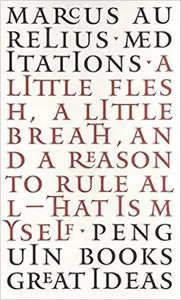
Meditations
Marcus Aurelius
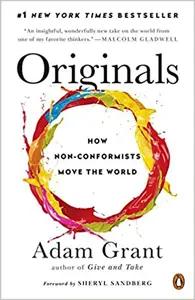
Originals
Adam Grant

Poor Charlie's Almanack
Charlie Munger

The Innovators Dilemma
Clayton Christensen
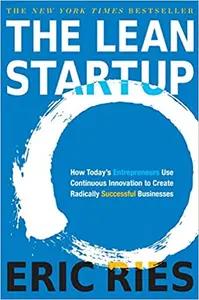
The Lean Startup
Eric Reis
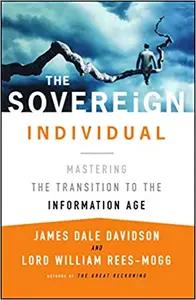
The Sovereign Individual
James Dale Davidson & William Rees-Mogg
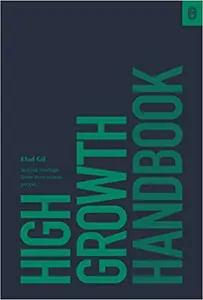
High Growth Handbook
Elad Gil
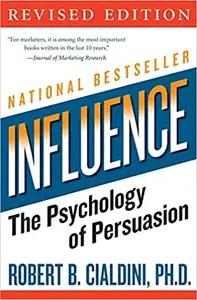
Influence
Robert Cialdini

Principles for Dealing With The Changing World Order
Ray Dalio
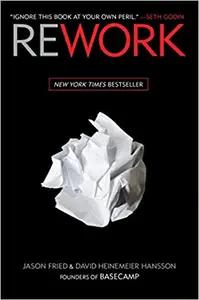
Rework
Jason Fried
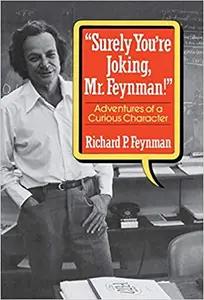
Surely You're Joking Mr. Feynman
Richard Feynman

The Ride of a Lifetime
Bob Iger
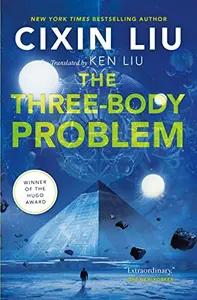
The Three Body Problem
Cixin Liu
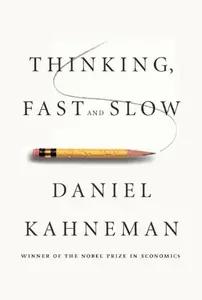
Thinking, Fast and Slow
Daniel Kahneman

7 Powers
Hamilton Helmer

Antifragile
Nassim Nicholas Taleb

Atlas Shrugged
Ayn Rand
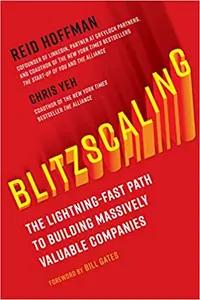
Blitzscaling
Reid Hoffman

Dune
Frank Herbert

Foundation
Isaac Asimov
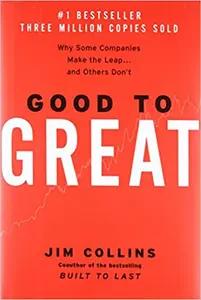
Good To Great
Jim Collins
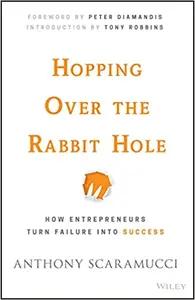
Hopping Over The Rabbit Hole
Anthony Scaramucci
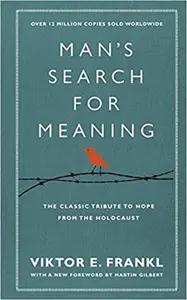
Man's Search for Meaning
Viktor Frankl