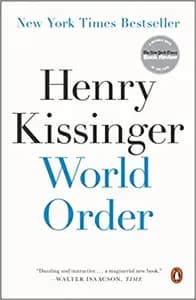
World Order: Reflections on the Character of Nations and the Course of History
by Henry Kissinger
Recommended byMark Zuckerberg
About This Book
In "World Order" by Henry Kissinger, the renowned diplomat and strategist explores the complex and ever-evolving global landscape. Drawing from history, Kissinger examines the balance of power among nations throughout various eras, highlighting the significance of diplomacy and statesmanship in shaping world affairs.
Kissinger delves into the origins of the modern state system, tracing its roots to the Peace of Westphalia in 1648. He analyzes the challenges faced by nation-states in balancing their own interests with the pressures of a shifting international order. By examining historical examples such as the Congress of Vienna and the Treaty of Versailles, Kissinger underscores the delicate equilibrium required for sustainable world order.
Moreover, Kissinger addresses the rise of non-state actors and the impact of technological advancements on global governance. He acknowledges the growing influence of transnational issues, such as terrorism, climate change, and pandemics, and explores how they necessitate collective action and cooperation among nations.
Throughout the book, Kissinger emphasizes the importance of a comprehensive and nuanced understanding of different cultures and civilizations. He argues that an appreciation for diversity, coupled with a pragmatic approach, can help build a more stable and harmonious international system.
"World Order" offers readers a thought-provoking analysis of the challenges and opportunities that confront the modern world. Kissinger's insights shed light on the intricate dynamics of global politics, encouraging readers to rethink conventional wisdom and consider new approaches to fostering a sustainable world order.
Kissinger delves into the origins of the modern state system, tracing its roots to the Peace of Westphalia in 1648. He analyzes the challenges faced by nation-states in balancing their own interests with the pressures of a shifting international order. By examining historical examples such as the Congress of Vienna and the Treaty of Versailles, Kissinger underscores the delicate equilibrium required for sustainable world order.
Moreover, Kissinger addresses the rise of non-state actors and the impact of technological advancements on global governance. He acknowledges the growing influence of transnational issues, such as terrorism, climate change, and pandemics, and explores how they necessitate collective action and cooperation among nations.
Throughout the book, Kissinger emphasizes the importance of a comprehensive and nuanced understanding of different cultures and civilizations. He argues that an appreciation for diversity, coupled with a pragmatic approach, can help build a more stable and harmonious international system.
"World Order" offers readers a thought-provoking analysis of the challenges and opportunities that confront the modern world. Kissinger's insights shed light on the intricate dynamics of global politics, encouraging readers to rethink conventional wisdom and consider new approaches to fostering a sustainable world order.
What People Are Saying
More Praise
Mark Zuckerberg: "[This book is] about foreign relations and how we can build peaceful relationships throughout the world. This is important for creating the world we all want for our children, and that's what I'm thinking about these days."
Revisit Your Highlights, Deepen Your Understanding
Import your Kindle highlights to review, organize, and share the ideas that matter most to you.
Get the free browser extension
Share This Book
More Books in Culture
View More
The Coddling of the American Mind
Greg Lukianoff & Jonathan Haidt
Brotopia
Emily Chang
The True Believer
Eric Hoffer
Wanting
Luke Burgis
Give and Take
Adam Grant
Masters of Doom
David Kushner

The Holy Bible
Various
The Moment of Lift
Melinda Gates
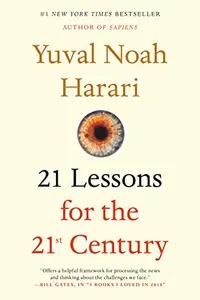
21 Lessons for the 21st Century
Yuval Noah Harari
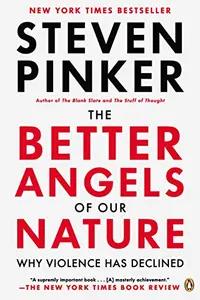
The Better Angels of our Nature
Steven Pinker
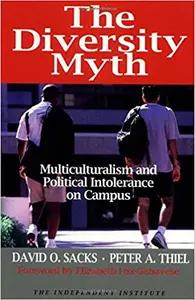
The Diversity Myth
Peter Thiel & David Sacks
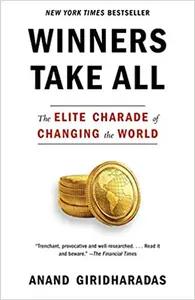
Winners Take All
Anand Giridharadas
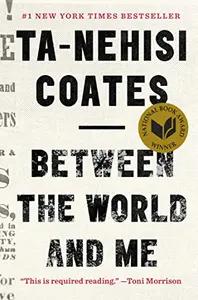
Between The World And Me
Ta-Nehisi Coates
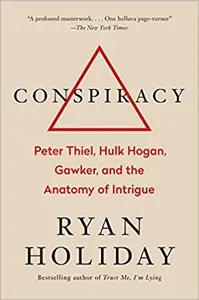
Conspiracy
Ryan Holiday

Decoded
Jay-Z

Play It Away
Charlie Hoehn
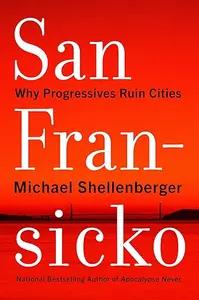
San Fransicko
Michael Shellenberger

Sex at Dawn
Christopher Ryan
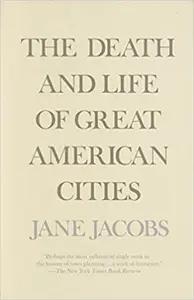
The Death and Life of Great American Cities
Jane Jacobs
The New Jim Crow
Michelle Alexander
The Storytelling Animal
Jonathan Gottschall
The Watchman's Rattle
Rebecca Costa

Who Is Michael Ovitz
Michael Ovitz
A Heartbreaking Work of Staggering Genius
Dave Eggers
A Short History of Myth
Karen Armstrong
Amusing Ourselves to Death
Neil Postman
Art of the Living Dead
Adrian Hanft
Bass Culture
Lloyd Bradley

Be Here Now
Ram Dass
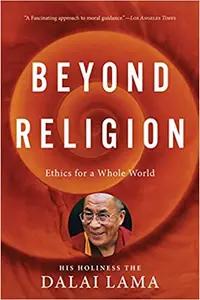
Beyond Religion
Dalai Lama
Popular Books Recommended by Great Minds 📚
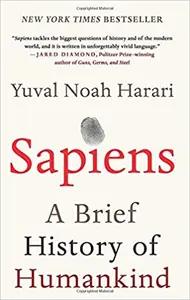
Sapiens
Yuval Noah Harari
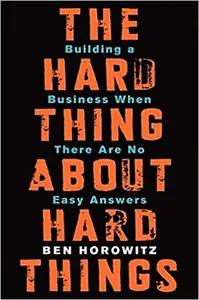
The Hard Thing About Hard Things
Ben Horowitz
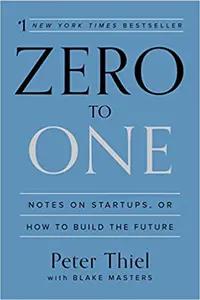
Zero to One
Peter Thiel
High Output Management
Andrew Grove
Principles
Ray Dalio
Shoe Dog
Phil Knight
Snow Crash
Neal Stephenson
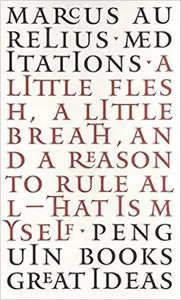
Meditations
Marcus Aurelius
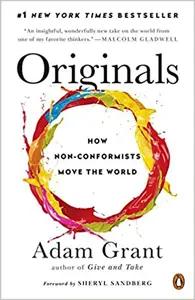
Originals
Adam Grant

Poor Charlie's Almanack
Charlie Munger

The Innovators Dilemma
Clayton Christensen
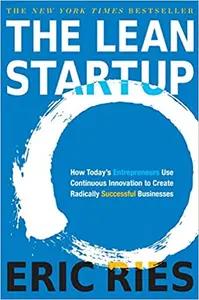
The Lean Startup
Eric Reis
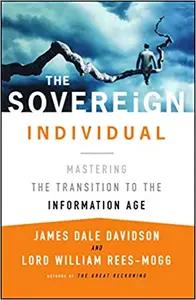
The Sovereign Individual
James Dale Davidson & William Rees-Mogg
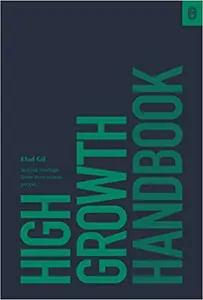
High Growth Handbook
Elad Gil
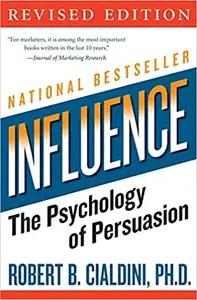
Influence
Robert Cialdini
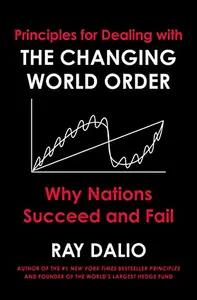
Principles for Dealing With The Changing World Order
Ray Dalio
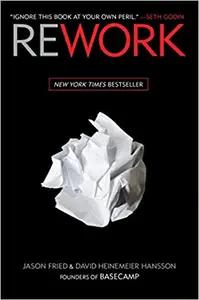
Rework
Jason Fried
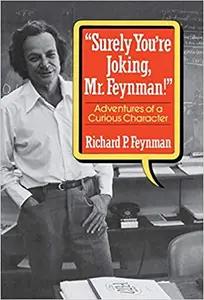
Surely You're Joking Mr. Feynman
Richard Feynman
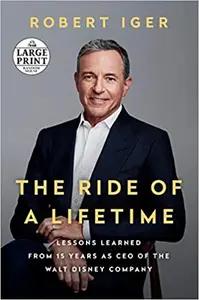
The Ride of a Lifetime
Bob Iger
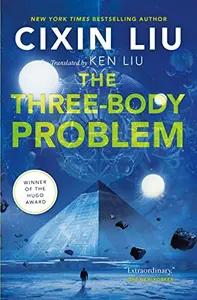
The Three Body Problem
Cixin Liu
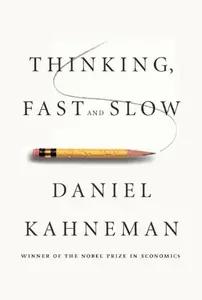
Thinking, Fast and Slow
Daniel Kahneman
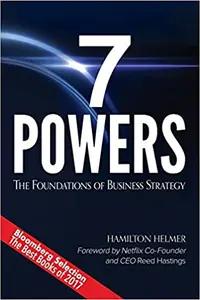
7 Powers
Hamilton Helmer
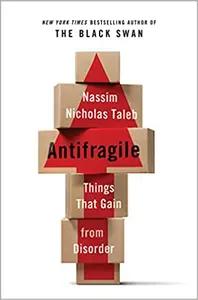
Antifragile
Nassim Nicholas Taleb
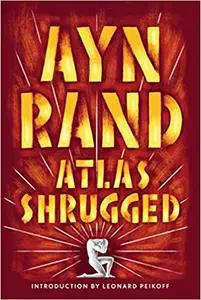
Atlas Shrugged
Ayn Rand
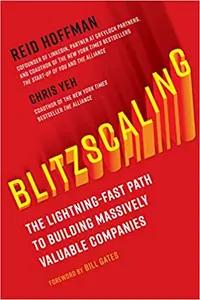
Blitzscaling
Reid Hoffman
Dune
Frank Herbert

Foundation
Isaac Asimov
Good To Great
Jim Collins

Hopping Over The Rabbit Hole
Anthony Scaramucci
Man's Search for Meaning
Viktor Frankl