The world smells different now. That's a big problem.
TL;DR
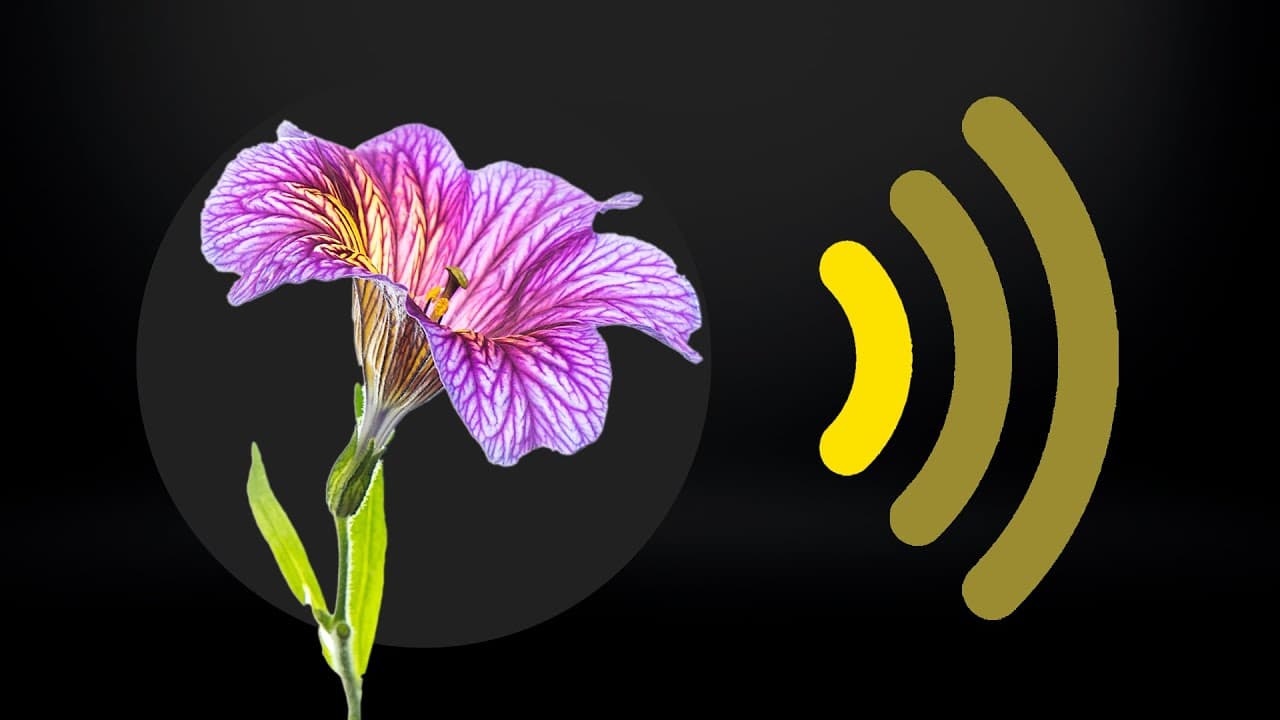
Climate change affects smells in nature, impacting marine life and pollinators, leading to potential biodiversity collapse.
Transcript
thank you to brilliant for sponsoring this video the world is changed i feel it in the water i feel it in the i earth it in the air once that once was is lost for none now live who smell it two terms that are used almost interchangeably are climate change and global warming while there is a technical distinction between the two i'd argue that funda... Read More
Key Insights
- 👃 Climate change impacts smells in nature, affecting marine species and pollinators.
- 🌒 Ocean acidification alters scent molecules, reducing marine life's ability to detect scents.
- 👱 Flowering plants produce fewer scents due to air pollution and temperature changes.
- 👃 Preserving smells doesn't address the root cause of biodiversity loss due to climate change.
- 🎮 Brilliant sponsors the video, offering educational courses on science and mathematics.
- 💱 Understanding the processes underlying climate change is crucial to addressing its impacts.
- 👃 Education and action are essential to combat climate change and preserve nature's smells.
Install to Summarize YouTube Videos and Get Transcripts
Explore YouTube Video Summarizer or Get YouTube Transcript Extractor
Questions & Answers
Q: How does climate change affect smells in the ocean?
Climate change causes ocean acidification, altering the shape of scent molecules, impacting marine life's ability to detect scents, leading to decreased reproduction and biodiversity collapse.
Q: Why are flowering plants starting to smell less due to climate change?
Air pollution, temperature changes, and stress responses in plants reduce their scent production, affecting pollinators' ability to find flowers and potentially leading to plant extinction.
Q: Can smells from extinct flower species be brought back?
Yes, by analyzing scent molecules from extinct flowers, their smells can be recreated using mass spectroscopy, but this doesn't address the loss of biodiversity in nature due to climate change.
Q: How can individuals help mitigate the loss of smells and biodiversity?
By focusing on preventing climate change, individuals can help preserve the natural world's smells and biodiversity for future generations.
Summary & Key Takeaways
-
Climate change impacts smells, affecting marine life through ocean acidification and pollinators on land.
-
Loss of smells in nature due to climate change could lead to cascading effects on ecosystems.
-
Techniques exist to preserve smells, but preserving biodiversity is crucial to prevent extinction.
Read in Other Languages (beta)
Share This Summary 📚
Summarize YouTube Videos and Get Video Transcripts with 1-Click
Try YouTube Summary with ChatGPT & Claude or YouTube Transcript Generator
Explore More Summaries from Simon Clark 📚






Summarize YouTube Videos and Get Video Transcripts with 1-Click
Try YouTube Summary with ChatGPT & Claude or YouTube Transcript Generator