Leadership for Society: Reimagining Work - Work Environment: Who Makes All the Decisions?
TL;DR
An aging workforce presents both challenges and opportunities, including age diversification and increased productivity in mixed-age work teams.
Transcript
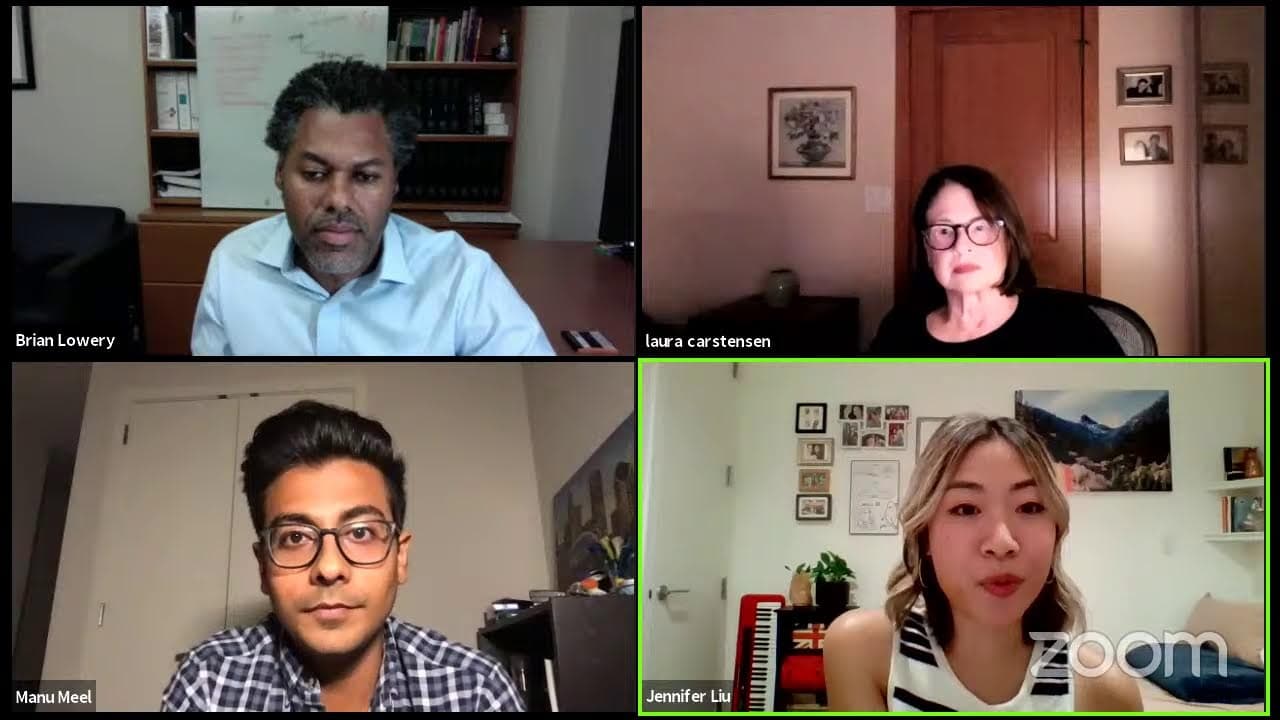
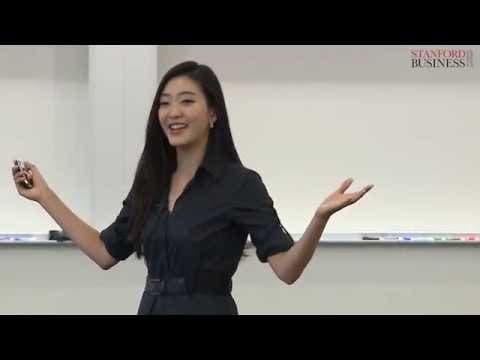
Welcome everyone, we'll get started in just a minute. All right, welcome to leadership of the society. In this season we're talking about reimaging work post-COVID. And I'm excited to have three guests today to talk about shifting demographics in the workplace. So, I our three guests are Laura Carstensen, professor of psychology at Stanford Univers... Read More
Key Insights
- 🤕 The age diversification of the workforce presents an opportunity for increased diversity and productivity.
- 🥺 Miscommunication and lack of communication channels can lead to tension between generations in the workplace.
- 🤕 Ageism exists but should not be the sole focus when addressing diversity and age-related challenges.
- 🥶 Opportunities for mentoring and knowledge transfer can benefit both younger and older workers.
- 🖤 Lack of financial resources and support systems contribute to delayed milestones for younger workers.
- 🤕 A lack of imagination in reimagining work post-COVID can hinder the potential for an age-diverse workforce.
- 🪡 Age diversity in politics is needed to reflect the population's diversity and ensure a better understanding of future generations' needs.
Install to Summarize YouTube Videos and Get Transcripts
Explore YouTube Video Summarizer or Get YouTube Transcript Extractor
Questions & Answers
Q: What are the challenges and opportunities associated with the aging of the workforce?
The challenges include managing age diversification and ensuring optimal utilization of diverse backgrounds and ages. The opportunities lie in increased productivity in mixed-age work teams and the potential for knowledge transfer and mentorship.
Q: What tensions exist between older and younger workers?
Younger workers may feel pressure due to delayed milestones, such as buying a home or starting a family. Tensions may arise when older workers hold decision-making positions or when there is a lack of support from senior leaders.
Q: How can conflicts and fractures along generational lines be managed in the workplace?
Creating spaces for open dialogue and fostering intergenerational communication can help address conflicts. Encouraging mentorship and recognizing the value that different generations bring to the workplace can also foster unity and productivity.
Q: How can generational shifts and power dynamics be managed gracefully?
Recognizing that the workforce is not a zero-sum game can help ease power dynamics. Encouraging mentorship and exploring opportunities for social cohesion can provide a platform for different generations to work together effectively.
Summary & Key Takeaways
-
The US labor force aged 65 and older is expected to grow by more than 50% in the next ten years, making it 10% of the total labor force.
-
The age diversification of the workforce, with multiple birth cohorts working together, presents an opportunity for increased diversity and productivity.
-
Studies show that mixed-age work teams are the most productive due to the combination of experience and ambition.
Read in Other Languages (beta)
Share This Summary 📚
Summarize YouTube Videos and Get Video Transcripts with 1-Click
Try YouTube Summary with ChatGPT & Claude or YouTube Transcript Generator
Explore More Summaries from Stanford Graduate School of Business 📚

Summarize YouTube Videos and Get Video Transcripts with 1-Click
Try YouTube Summary with ChatGPT & Claude or YouTube Transcript Generator