Davos Annual Meeting 2004 - Revisiting the Economic Case for Globalization

TL;DR
Experts debate the social impact, governance, agricultural policies, and climate change implications of globalization.
Transcript
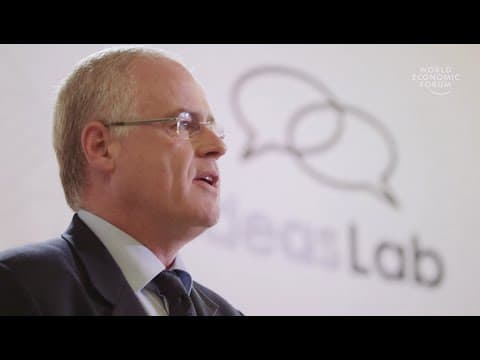
good morning and thank you for being here my name is moises naim i'm the editor of foreign policy magazine and i'll be the moderator this morning there are hardly any subjects these days that are more controversial confusing and present than globalization you can almost use that for advancing or detracting from many arguments of the world today we ... Read More
Key Insights
- ❓ The debate on globalization encompasses social dimensions, economic impacts, and governance issues.
- 🥹 Multinationals face criticism but also hold potential for positive social contributions through global governance.
- 🧑🏭 Trade policies, agricultural strategies, financial systems, and environmental policies are critical factors in managing globalization.
- ™️ Developing countries require tailored approaches to benefit from trade policies while addressing social and economic challenges.
Install to Summarize YouTube Videos and Get Transcripts
Explore YouTube Video Summarizer or Get YouTube Transcript Extractor
Questions & Answers
Q: How can developing countries benefit from trade policies while maintaining control over their economic growth?
Developing countries face challenges in navigating trade policies due to limitations imposed by international organizations. Balancing tariffs, industrial policies, and credit direction is essential for sustainable development.
Q: What are the implications of outsourcing for job creation and social development in a globalized world?
Outsourcing can impact job opportunities, but careful regulation and policies are needed to ensure fair employment practices and economic growth. Multinationals need to consider the social impact of their operations.
Q: How can global governance address the unfair competitive advantage in environmental policies like the Kyoto Protocol?
Balancing environmental regulations and competitiveness requires international cooperation. Encouraging countries like the US to join agreements like the Kyoto Protocol is vital for fair environmental standards.
Q: In the context of high unemployment and closed markets, how can Argentina manage globalization for economic revival?
Argentina's economic revival requires a strategic approach to open markets, access international credit, and address unemployment. Balancing trade policies, industrial strategies, and job creation is crucial for sustainable growth.
Q: Can outsourcing and offshoring contribute to fair globalization and job creation in developing countries?
Outsourcing and offshoring can impact job opportunities and economic development in developing nations. Implementing policies that promote fair labor practices and job creation are crucial for ensuring balanced globalization.
Summary & Key Takeaways
-
Experts discuss the challenges and benefits of globalization, focusing on social dimensions and economic impacts.
-
Multinational corporations' roles and responsibilities in global governance and social issues are debated.
-
Trade policies, agriculture, financial systems, and climate change actions are key topics of discussion.
Read in Other Languages (beta)
Share This Summary 📚
Summarize YouTube Videos and Get Video Transcripts with 1-Click
Try YouTube Summary with ChatGPT & Claude or YouTube Transcript Generator
Explore More Summaries from World Economic Forum 📚
Summarize YouTube Videos and Get Video Transcripts with 1-Click
Try YouTube Summary with ChatGPT & Claude or YouTube Transcript Generator