How a Handmade Pottery Cup is Made from Beginning to End — Narrated Version
TL;DR
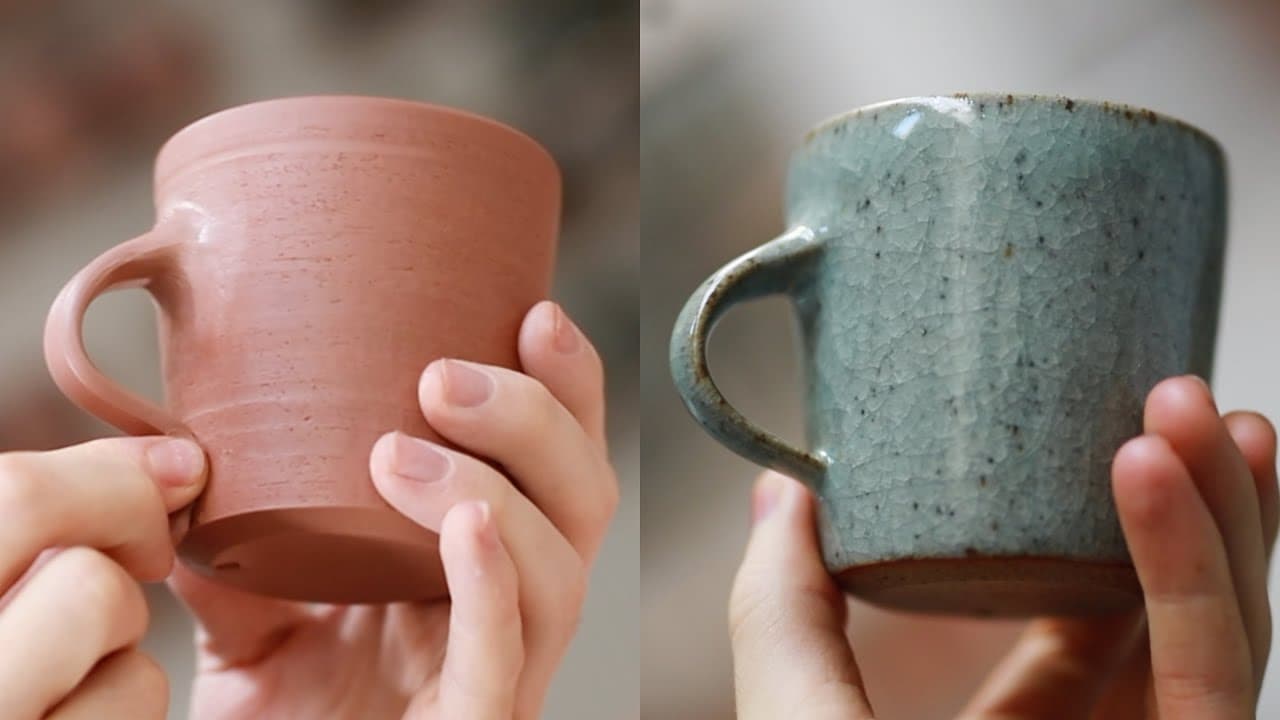
This video showcases the step-by-step process of making clay coffee cups, from weighing and wedging the clay to glazing and firing the finished product.
Transcript
in this week's video i'm going to be showing you how i make my coffee cups all the way from a soft lump of clay to the finished fired vessel it's a long process and it begins from clay fresh out the bag this is a high iron stonework clay body that's made to be reduction fired in a gas kiln each ball of clay here weighs about 200 grams plus or minus... Read More
Key Insights
- 👁️🗨️ Wedging clay helps to ensure consistency and remove air bubbles for well-thrown pots.
- 😒 The use of a throwing gauge allows for consistent sizing during the throwing process.
- 💪 Attaching handles by pulling and joining wet clay blanks creates natural-looking and strong connections.
- ❤️🔥 Waxing the base of pots prevents glaze from sticking to kiln shelves during firing.
- ❓ Reduction firing produces unique colors and effects in the glazes.
- ❤️🔥 Inspecting and cleaning the pots after firing ensures a finished product with a smooth and polished appearance.
- 💘 The process of creating clay coffee cups requires skill, practice, and attention to detail.
Install to Summarize YouTube Videos and Get Transcripts
Explore YouTube Video Summarizer or Get YouTube Transcript Extractor
Questions & Answers
Q: What is the purpose of wedging the clay before throwing?
Wedging the clay helps to remove air bubbles and ensures a consistent texture and composition, preventing any inconsistencies or air pockets that could ruin the final product.
Q: How is the height and width of the coffee cups determined?
The cups are thrown to be approximately nine centimeters tall by nine centimeters wide, with a slight taper from bottom to top to create an aesthetically pleasing shape.
Q: Why is it important to have the walls of the cups be the same thickness from top to bottom?
Consistent wall thickness ensures that the cups are well-thrown and not overly heavy at the base, indicating a well-executed pottery technique.
Q: What is the purpose of using a metal kidney to clean up the throwing lines?
By pushing the clay against the metal kidney, the potter can remove any throwing lines and achieve a cleaner finish without risking snagging or destroying the pot.
Q: How are the handles attached to the cups?
Handles are made by pulling clay blanks and attaching them to the cups while they are still wet. The wet clay allows for a strong join, and the handle can be shaped and thinned out as desired.
Q: Why are the cups waxed before glazing?
Waxing the base of the cups prevents glaze from adhering to the kiln shelves during firing, ensuring easy removal and preventing damage to the finished pots.
Q: What is reduction firing?
Reduction firing involves reducing the amount of oxygen in the kiln during firing, allowing the glazes to react with the fuel and produce unique colors and effects.
Q: How are the pots cleaned and finished after firing?
After firing, the pots are inspected, cleaned, and sanded with wet and dry sandpaper to remove any sharp particles and give them a smooth finish.
Summary & Key Takeaways
-
The video demonstrates the process of creating clay coffee cups, starting from weighing and wedging the clay to ensure consistency and remove air bubbles.
-
The cups are thrown on a wheel, using a rubber pointer as a throwing gauge for consistent sizing.
-
The handles are made by pulling clay blanks and attaching them to the cups, creating strong joints and natural-looking connections.
Read in Other Languages (beta)
Share This Summary 📚
Summarize YouTube Videos and Get Video Transcripts with 1-Click
Try YouTube Summary with ChatGPT & Claude or YouTube Transcript Generator
Explore More Summaries from Florian Gadsby 📚
Summarize YouTube Videos and Get Video Transcripts with 1-Click
Try YouTube Summary with ChatGPT & Claude or YouTube Transcript Generator