Debating The Value Of Eastern Medicine (Ayurveda) | Healthy Gamer Dr. K
TL;DR
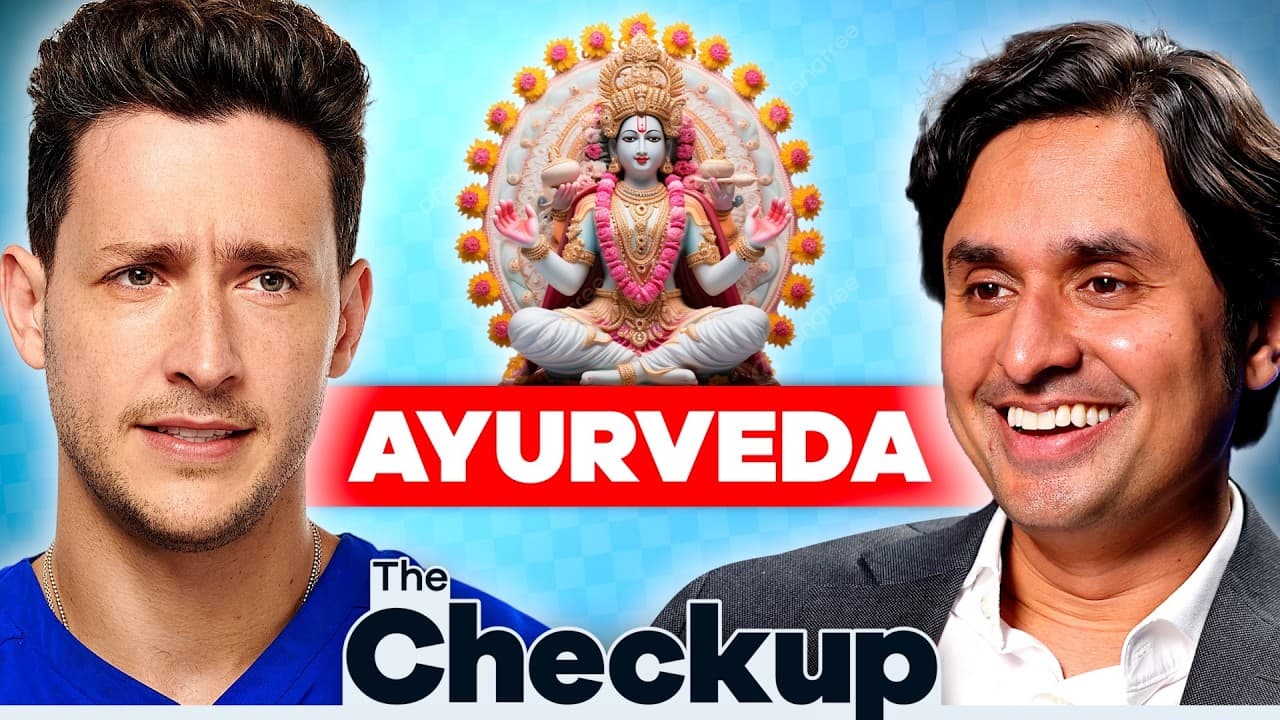
The conversation explores the pros and cons of Ayurvedic principles within contemporary healthcare.
Transcript
- What frustrates you so much about Ayurvedic medicine? - It leads to a fundamental misunderstanding of healthcare. It opens room for health gurus and hucksters to take advantage of people. - Now I'm understanding this conversation a lot better. So, I noticed that this was becoming very antagonistic, which was really weird, because I actually agree... Read More
Key Insights
- 💊 The conversation reveals a complex relationship between Ayurvedic medicine and modern scientific practices, touching on themes of individualization versus generalization in healthcare.
- 💊 There are fundamental misconceptions in both Ayurvedic medicine and Western approaches, calling for a more integrated understanding of health and well-being.
- 🥰 The need for empirical evidence is underscored to balance the art of medicine with rigorous scientific methodology.
- 🖐️ Personal experiences and anecdotes play a crucial role in shaping perceptions about the effectiveness of alternative therapies.
- 😨 There is a shared responsibility among healthcare professionals to ensure that patients receive accurate, ethical, and personalized care.
- 😷 Effective treatment modalities may transcend traditional boundaries, combining Eastern wisdom with Western medical understanding.
- 🤗 The discussion encourages an open dialogue among practitioners, emphasizing the importance of collaboration and innovation in the pursuit of optimal patient outcomes.
Install to Summarize YouTube Videos and Get Transcripts
Explore YouTube Video Summarizer or Get YouTube Transcript Extractor
Questions & Answers
Q: What are some criticisms of Ayurvedic medicine mentioned in the conversation?
The conversation raises concerns about Ayurvedic medicine's lack of scientific validity, highlighting issues such as practitioner reliability, potential for misuse by health gurus, and the absence of rigorous clinical knowledge standardization. Such factors can lead to misinformation and exploitation of vulnerable patients seeking holistic care.
Q: How did the conversation characterize the relationship between mental health treatment and personalized medicine?
The discussion suggests that personalized medicine, such as Ayurvedic practices, can provide unique insights into individual health needs, diverging from the one-size-fits-all approach often seen in Western medicine. This contrast underscores the importance of individualized care in mental health treatments.
Q: What are the implications of the defined roles of professionals within healthcare as discussed?
The dialogue emphasizes that various professionals, such as psychologists, physicians, and alternative practitioners, have specific roles in patient care. The accountability to patients varies, with researchers focusing on broader outcomes while clinicians address individual patient needs, thereby creating gaps that some practitioners attempt to fill with alternative methods.
Q: Can you explain the term "Sankalp" used in the conversation?
"Sankalp" refers to a resolve or intention set during meditation or yoga practices. In the context of the discussion, using Sankalp during sessions of yoga nidra is believed to impact mental health positively by implanting specific positive affirmations into an individual's subconscious, potentially aiding in personal development and healing.
Q: What kind of methodologies does the speaker implement into their practices?
The speaker integrates both traditional Eastern practices, such as yoga and breathing techniques, and the principles of evidence-based medicine. This synergistic approach aims to optimize patient outcomes, particularly for those dealing with conditions like anxiety and depression by utilizing an informed consent process that respects the patients' autonomy.
Q: Why is there concern over blending spiritual practices with scientific medicine?
The discussion points out that while blending spiritual practices with scientific approaches can yield benefits, there is a risk of diluting the original essence and intent behind those practices. This could lead to overlooking significant benefits that might arise from the connection to spirituality or traditional healing methods.
Q: What do the speakers conclude about the importance of research in complementary and alternative medicine?
The speakers agree on the necessity of conducting further research to evaluate the efficacy of Ayurvedic practices. They contend that while traditional methods can yield substantial benefits, understanding and validating these through modern scientific frameworks could enhance their credibility and application in contemporary healthcare settings.
Summary & Key Takeaways
-
The discussion highlights a contentious debate surrounding Ayurvedic medicine, focusing on its historical significance and modern interpretations in healthcare practices.
-
There are contrasts between evidence-based Western medicine and individualized approaches found in Ayurvedic practices, suggesting potential benefits from the latter.
-
The dialogue emphasizes the importance of integrating valuable aspects of Ayurvedic practices while acknowledging the limitations and biases within such alternative medicine systems.
Read in Other Languages (beta)
Share This Summary 📚
Summarize YouTube Videos and Get Video Transcripts with 1-Click
Try YouTube Summary with ChatGPT & Claude or YouTube Transcript Generator
Explore More Summaries from The Checkup with Doctor Mike 📚





Summarize YouTube Videos and Get Video Transcripts with 1-Click
Try YouTube Summary with ChatGPT & Claude or YouTube Transcript Generator