How Can Virtual Reality Transform Journalism?
TL;DR
Virtual reality can revolutionize journalism by immersing audiences in stories and evoking deep emotional responses that traditional media cannot achieve. This technology fosters empathy, demonstrated through impactful pieces on hunger and Syrian refugees, ultimately inspiring viewers to take action on critical social issues.
Transcript
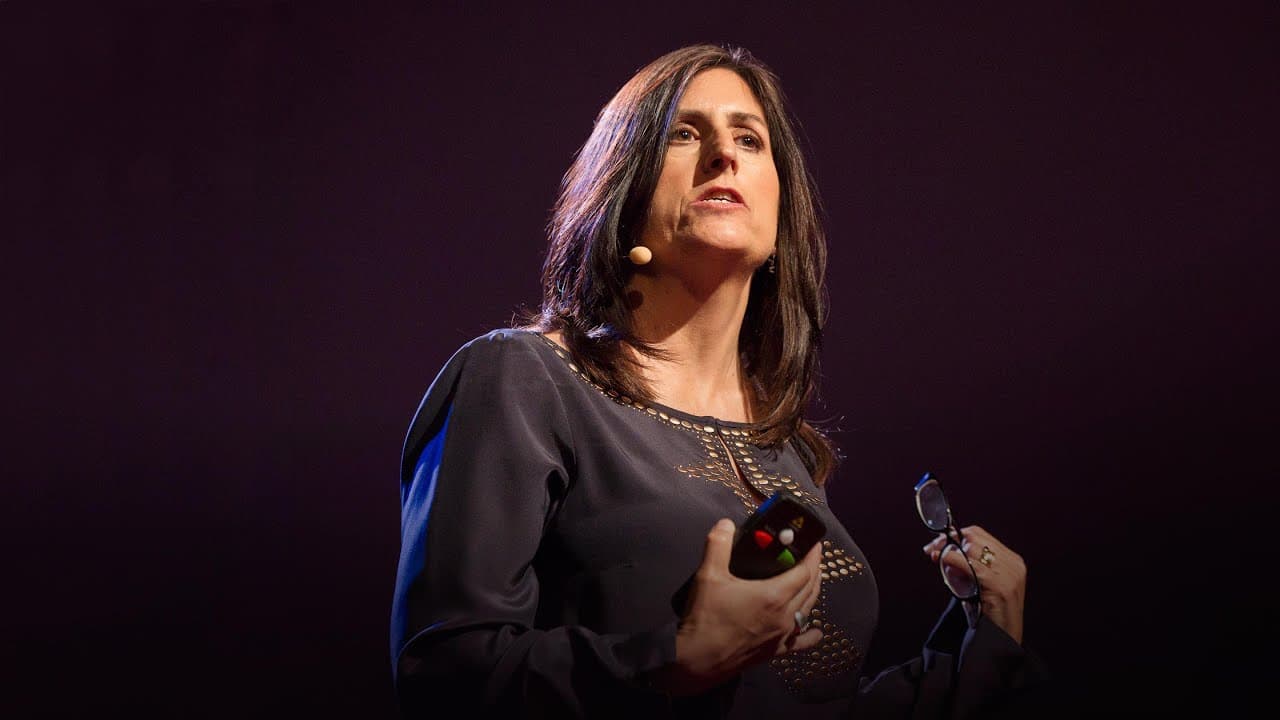
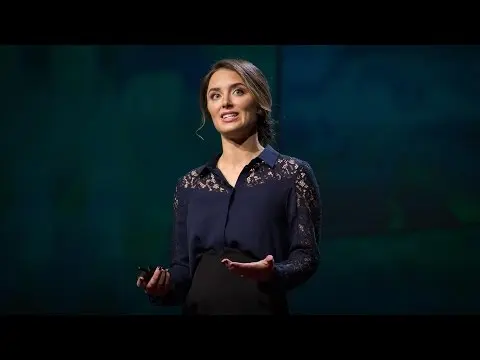
What if I could present you a story that you would remember with your entire body and not just with your mind? My whole life as a journalist, I've really been compelled to try to make stories that can make a difference and maybe inspire people to care. I've worked in print. I've worked in documentary. I've worked in broadcast. But it really wasn't ... Read More
Key Insights
- 📽️ Virtual Reality and Journalism: Virtual reality technology allows for immersive storytelling experiences that can evoke intense emotions and physical sensations, leading to impactful reactions and potentially driving social change.
- 🍽️ Hunger in America: The use of VR technology in journalism can help bring awareness to important social issues such as hunger, where traditional media may fall short in conveying the full extent of the problem.
- 👥 Collaborative Effort: Effective VR journalism requires collaboration and resourcefulness, even when faced with limited funding. In this case, a dedicated intern played a crucial role in the project's success.
- 🎥 First Virtual Reality Film: The groundbreaking VR journalism piece about hunger was the first of its kind and showcased at Sundance Film Festival. The audience's emotional reactions and desire to help after experiencing the virtual world in VR were remarkable.
- 🌍 Global Impact: VR journalism has the power to create empathy and understanding on a global scale. The success of the hunger piece led to the creation of a virtual reality experience about Syrian refugee children, which further resonated with viewers and inspired action.
- 💣 Realistic Immersion: VR journalism can transport viewers to tragic and dangerous situations, giving them a firsthand experience of the reality faced by individuals affected by events like bombings and conflict.
- 📰 Journalistic Integrity: The core principles of journalism remain essential, even in the realm of VR storytelling. Accurate information, thorough research, and journalistic ethics should be upheld to maintain credibility and public trust.
- 📱 Accessible Journalism: Efforts are being made to make VR journalism more widely accessible beyond dedicated headsets, such as through mobile VR experiences. Such innovations have already had tangible impacts, influencing viewers to take direct action for social causes.
Install to Summarize YouTube Videos and Get Transcripts
Explore YouTube Video Summarizer or Get YouTube Transcript Extractor
Questions & Answers
Q: How does virtual reality enhance the storytelling experience?
Virtual reality enhances the storytelling experience by immersing the viewer in the story, allowing them to feel like they are actually present in the scene. With VR goggles that track their movements, viewers get a whole-body sensation, making the story more memorable and impactful. (58 words)
Q: What was the journalist's goal in using virtual reality for journalism?
The journalist's goal was to create stories that could make a difference and inspire people to care. By using virtual reality, the journalist sought to evoke intense and authentic reactions from viewers, hoping to engage them on a deeper level and incite action. (54 words)
Q: How did the journalist's virtual reality piece on hunger capture the attention of viewers?
The virtual reality piece on hunger captured the attention of viewers by immersing them in a realistic scenario. By reproducing a long line at a food bank using virtual humans, the piece conveyed the overwhelming number of people experiencing hunger. The audio of a man with diabetes collapsing into a coma added to the evocativeness of the piece. (64 words)
Q: What impact did the journalist's virtual reality pieces have on viewers?
The journalist's virtual reality pieces had a significant impact on viewers. Many people had intense emotional reactions, with some even trying to comfort virtual characters in distress. The pieces prompted individuals to take their experiences and empathy back into their own lives, leading to actions like donating money to Syrian children refugees. (62 words)
Summary & Key Takeaways
-
Virtual reality can create intense and authentic reactions from people that traditional journalism cannot achieve
-
Virtual reality allows users to experience stories on a whole-body level, creating a sense of presence and empathy
-
Virtual reality journalism has the potential to make a difference and inspire people to take action, as shown by examples such as a piece about hunger and one about Syrian refugee children.
Read in Other Languages (beta)
Share This Summary 📚
Summarize YouTube Videos and Get Video Transcripts with 1-Click
Try YouTube Summary with ChatGPT & Claude or YouTube Transcript Generator
Explore More Summaries from TED 📚


Summarize YouTube Videos and Get Video Transcripts with 1-Click
Try YouTube Summary with ChatGPT & Claude or YouTube Transcript Generator