Apple Doesn't Want You To Buy This iPhone
TL;DR
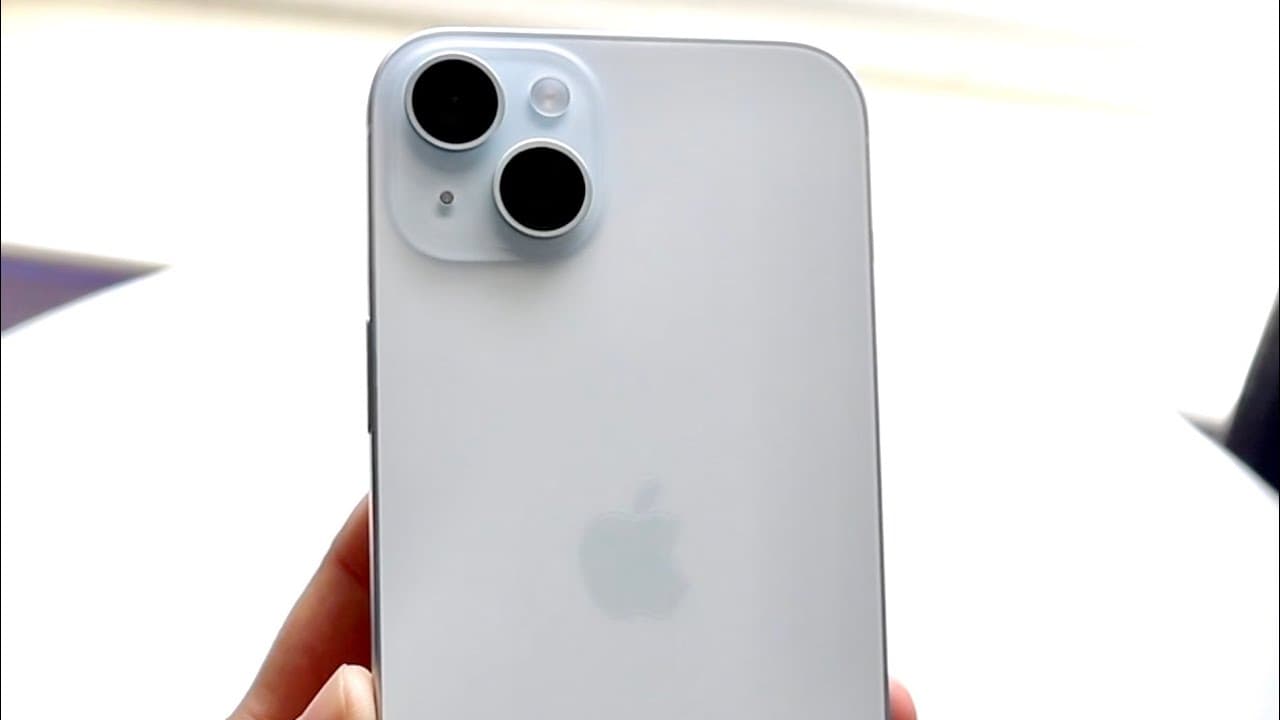
Apple intentionally designs lower-tier iPhones to drive purchases of higher-end models.
Transcript
so there was a certain iPhone that Apple made not that long ago that kind of started this somewhat of like a generation of iPhones where Apple kind of makes just so people don't buy them now what does this mean well these are almost not like a lost leader but these are just iPhones that Apple just kind of places in the way that way you kind of look... Read More
Key Insights
- 😘 Apple intentionally markets lower-tier iPhones to drive demand for higher-end models, improving profit margins.
- 🥺 The pricing structure creates an illusion of value, influencing buyer decisions and leading to increased spending.
- 🚐 Mini versions of iPhones were designed as surplus options to make upgraded models more appealing.
- 📣 The introduction of plus models further narrows the price gap, promoting sales of more expensive versions.
- 😒 Apple's success with the Pro models indicates effective use of psychological pricing strategies in consumer electronics.
- 👨💼 These selling strategies are aligned with Apple's business goal of maximizing revenue through strategic product placement.
- 🔬 Market response demonstrates that consumers are often willing to invest more for upgraded features when prompted by pricing tactics.
Install to Summarize YouTube Videos and Get Transcripts
Explore YouTube Video Summarizer or Get YouTube Transcript Extractor
Questions & Answers
Q: What is the main purpose behind Apple producing mini and plus iPhones?
Apple produces mini and plus iPhones primarily as strategic devices to encourage consumers to opt for higher-priced models. By placing these less popular options in their product lineup, Apple aims to make the more advanced models seem more attractive, thus steering customer spending towards the pro versions as consumers compare capabilities and prices.
Q: How does Apple’s pricing strategy affect consumer behavior?
Apple's pricing strategy significantly influences consumer behavior by creating a perception of value. When potential buyers see a slight price gap between standard and pro models, they often justify spending a bit more for enhanced features. This behavioral nudge is intentional, guiding customers towards spending more than they initially planned.
Q: Can you explain the concept of a "laddered approach" in sales?
A "laddered approach" in sales involves structuring product prices so that customers feel inclined to move up the tiers of pricing. Apple effectively narrows price differences between models, making the leap from one tier to the next appear more attractive, leading to an increase in sales of high-end models as consumers perceive better value in spending slightly more.
Q: Why do you think the iPhone Pro models sold well in previous years?
The success of the iPhone Pro models can be attributed to Apple’s effective pricing strategy. By narrowing the price gap between standard models and Pro versions, customers perceived that spending a little extra for advanced features was worthwhile, thus driving their purchasing decisions towards higher-end options.
Q: What implications does this pricing strategy have for Apple’s product support?
Apple's pricing strategy implies a focus on supporting select models that drive sales. As mini and plus models appear as stop-gap products to funnel consumers into purchasing higher-end versions, the support and marketing efforts may be significantly concentrated on the more profitable pro models, thus impacting overall customer experience and satisfaction.
Q: How have these strategies affected the overall smartphone market?
Apple’s pricing and product placement strategies have set precedents within the smartphone market, influencing other manufacturers to adopt similar tiered pricing. This encourages a culture of upselling, where consumers are frequently nudged towards higher-priced devices under the guise of obtaining better value, affecting competitive dynamics across the industry.
Summary & Key Takeaways
-
Apple introduced the iPhone 12 mini and 13 mini as a strategic means to steer customers towards purchasing higher-priced models, highlighting the company's focus on maximizing profits.
-
The introduction of plus-sized iPhones serves a similar purpose, as the pricing structure encourages buyers to invest slightly more for improved features in pro models, increasing overall revenue.
-
This "laddered approach" in pricing has effectively led to increased sales in higher-end iPhones, showcasing Apple's business strategy to maintain a profit-driven ecosystem within its product line.
Read in Other Languages (beta)
Share This Summary 📚
Summarize YouTube Videos and Get Video Transcripts with 1-Click
Try YouTube Summary with ChatGPT & Claude or YouTube Transcript Generator
Explore More Summaries from Simple Alpaca 📚



Summarize YouTube Videos and Get Video Transcripts with 1-Click
Try YouTube Summary with ChatGPT & Claude or YouTube Transcript Generator