Legal Process as a Tool to Rewrite History: Law, Politics and History - Sir Geoffrey Nice QC
TL;DR
Exploring the complexities and limitations of international war trials and the potential for manipulating justice through detailed case studies and insights.
Transcript
all lectures thus far have had his run focus that the doings of the law and of judges should never be taken on trust not because they are inherently untrustworthy but rather because the citizen has to be has to be wary not to trust the law and lawyers too much the law is or has become something of a religion to which international bodies representi... Read More
Key Insights
- 🌍 Trials should go beyond individual responsibility in international conflicts.
- 🧚 Obtaining documents efficiently is crucial for transparency and fair trials.
- 🌍 National and international trials variations impact their reach and outcomes.
- 🫱 Translation challenges can impact the accuracy and effectiveness of war trials.
- 👨⚖️ The role of politics in manipulating justice and historical records is evident in some trials.
- 🪈 Ensuring adequate record-keeping and transparency is essential for historical accuracy and reconciliation.
- 📜 The impact of delayed document acquisition and bureaucratic processes can hinder trial effectiveness.
Install to Summarize YouTube Videos and Get Transcripts
Explore YouTube Video Summarizer or Get YouTube Transcript Extractor
Questions & Answers
Q: How does the lecturer view the role of translation in international war trials?
The lecturer emphasizes the challenges of legal proceedings lost in translation, highlighting the need for fluent local involvement to avoid misunderstandings and ensure accuracy.
Q: What were the implications of Serbia obstructing documents in international trials?
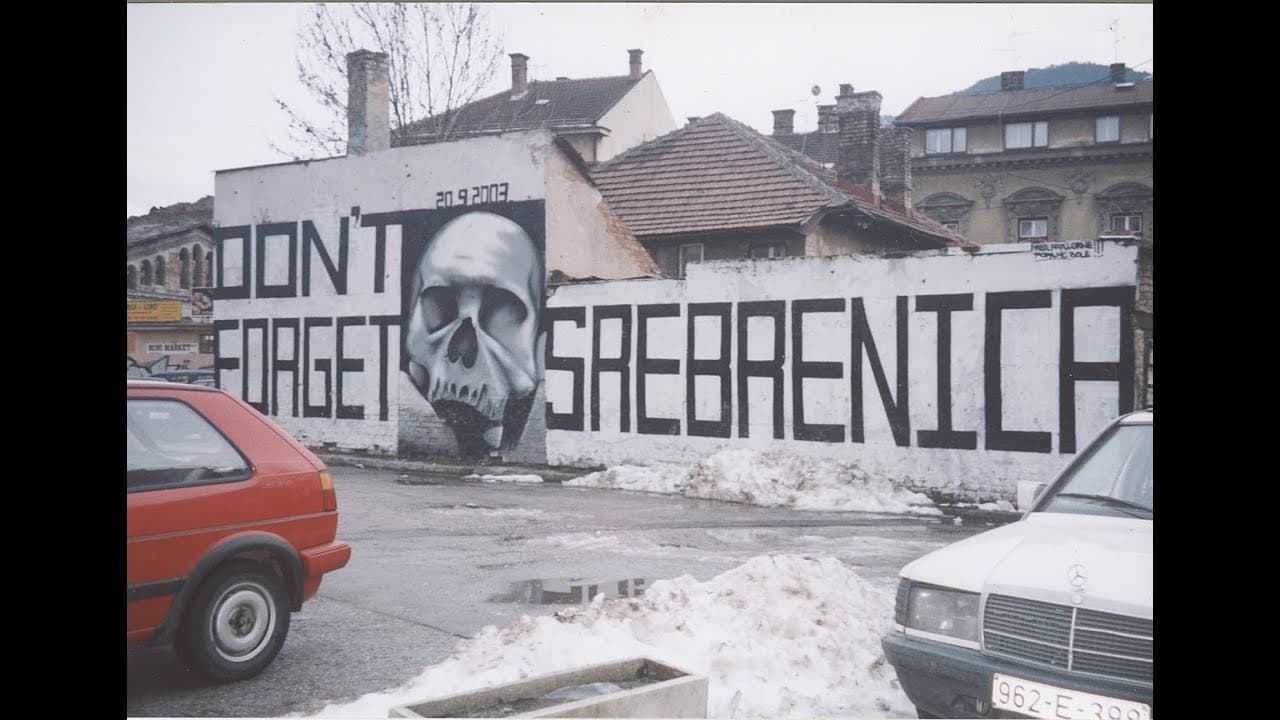
Serbia's obstruction hindered justice and historical accuracy, impacting the outcomes of trials and perpetuating unresolved conflicts and misconceptions.
Q: Why does the lecturer stress the importance of efficient document acquisition in international trials?
The lecturer underscores the need for swift access to documents to enhance transparency, prevent manipulation, and ensure a fair legal process in international war trials.
Q: How do national and international trials differ in addressing crimes in conflict?
National trials may focus on lower-level offenders, while international trials have a broader scope. There's a need for consistency in addressing crimes at all levels for justice and reconciliation.
Summary & Key Takeaways
-
Exploration of the trials' potential beyond individual criminal responsibility.
-
Comparison of historical trials' effects on society and nations.
-
Challenges in obtaining documents and enforcing cooperation in war crime trials.
Read in Other Languages (beta)
Share This Summary 📚
Summarize YouTube Videos and Get Video Transcripts with 1-Click
Try YouTube Summary with ChatGPT & Claude or YouTube Transcript Generator
Explore More Summaries from Gresham College 📚

Summarize YouTube Videos and Get Video Transcripts with 1-Click
Try YouTube Summary with ChatGPT & Claude or YouTube Transcript Generator