How has Sri Lanka Been Going?
TL;DR
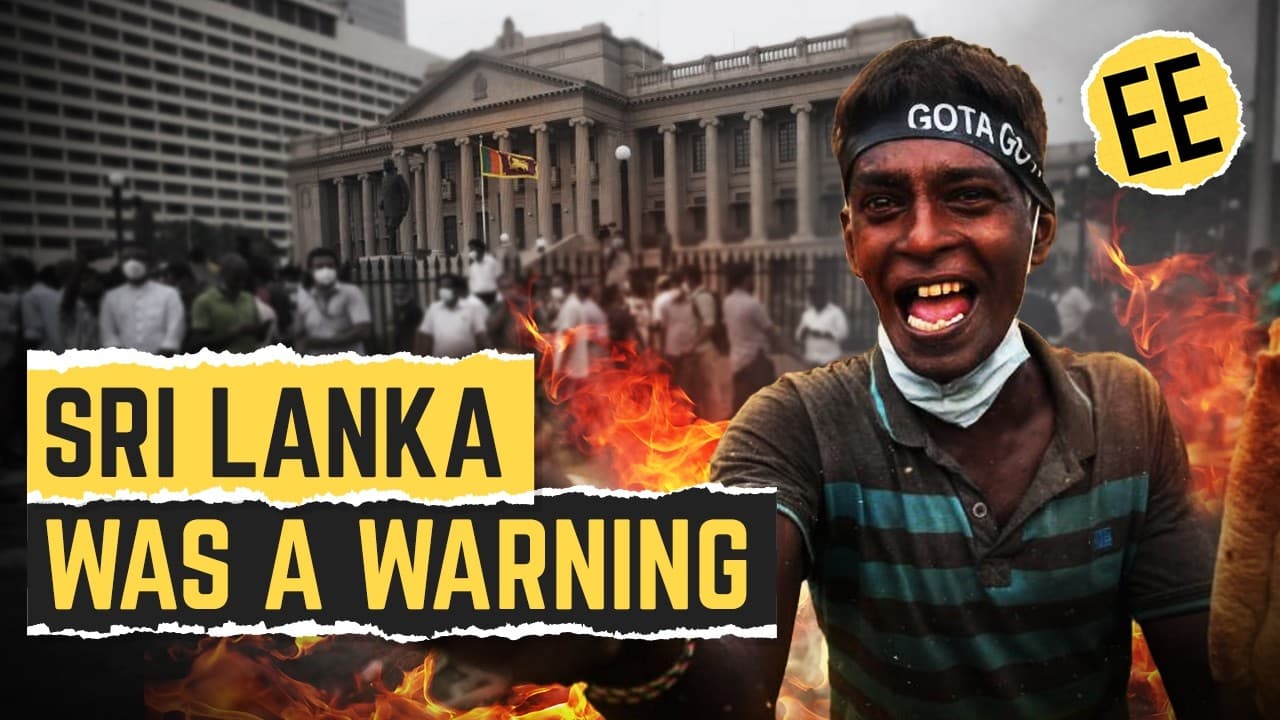
Sri Lanka's economic recovery hasn't improved citizens' living conditions.
Transcript
In 2022, Sri Lanka was making headlines for all the wrong reasons. Shrinking exports coupled with climbing debt from foreign loans led to a massive financial and political crisis. What once seemed to be a dream success story, a rural economy on its way to modern industrialisation, turned into a nightmare and it was clear that the country faced an u... Read More
Key Insights
- Sri Lanka's economic recovery involved securing an IMF bailout and implementing austerity measures, leading to a stronger currency and GDP growth.
- Despite economic improvements, Sri Lankans face worsening living conditions, with increased poverty, malnutrition, and emigration.
- Austerity measures, like tax hikes and subsidy removals, disproportionately affect low-income citizens, worsening their economic situation.
- The IMF's conditions for bailouts include economic reforms, often involving austerity, to prevent future financial crises.
- Sri Lanka's poverty rate has doubled since 2019, with significant impacts on urban areas and essential services like healthcare and education.
- Political stability and social discontent are at odds, with recent elections reflecting citizens' frustrations and calls for renegotiating IMF terms.
- Alternatives to austerity, like those seen in the US and Portugal, involve increased government spending and incentives to stimulate economic growth.
- Sri Lanka's export market potential remains untapped, with opportunities to diversify beyond clothing and tea to boost economic development.
Install to Summarize YouTube Videos and Get Transcripts
Explore YouTube Video Summarizer or Get YouTube Transcript Extractor
Questions & Answers
Q: How did Sri Lanka achieve its economic recovery?
Sri Lanka achieved its economic recovery through a combination of securing a $2.9 billion bailout from the International Monetary Fund (IMF) and implementing austerity measures. The IMF bailout provided the necessary funds to stabilize the economy, while austerity measures, including increased taxes and reduced government spending, helped address the budget deficit and improve financial indicators like the currency value and GDP growth.
Q: Why are Sri Lankan citizens struggling despite the economic recovery?
Despite the economic recovery, Sri Lankan citizens are struggling due to the harsh impact of austerity measures. These measures, such as tax hikes and subsidy removals, disproportionately affect low-income individuals, leading to increased poverty, malnutrition, and emigration. The benefits of economic recovery have not trickled down to the general population, resulting in worsening living conditions and social discontent.
Q: What role did the IMF play in Sri Lanka's economic recovery?
The International Monetary Fund (IMF) played a crucial role in Sri Lanka's economic recovery by providing a $2.9 billion bailout package. This financial support helped stabilize the economy and address the balance of payments crisis. However, the IMF's involvement came with conditions requiring Sri Lanka to implement economic reforms, including austerity measures, to ensure long-term financial stability and prevent future crises.
Q: How do austerity measures affect low-income citizens in Sri Lanka?
Austerity measures in Sri Lanka, such as increased taxes and subsidy removals, disproportionately impact low-income citizens. These individuals spend a larger portion of their income on essentials, making them more vulnerable to tax hikes and reduced government support. As a result, poverty rates have doubled, malnutrition has increased, and access to essential services like healthcare and education has diminished, exacerbating economic inequalities.
Q: What are the political implications of Sri Lanka's economic recovery?
Sri Lanka's economic recovery has significant political implications, as social discontent and economic hardships have fueled political instability. Recent elections saw the rise of a third-party candidate, reflecting citizens' frustrations with current policies and calls for renegotiating IMF bailout terms. Political stability is crucial for long-term economic development, but social unrest and dissatisfaction threaten to undermine progress and deter foreign investment.
Q: What alternatives to austerity measures exist for countries in crisis?
Alternatives to austerity measures for countries in crisis include increased government spending and incentives to stimulate economic growth. The US and Portugal provide examples of such approaches, where government intervention through financial support and tax relief helped stabilize economies without resorting to severe austerity. These strategies aim to balance immediate financial needs with long-term development and citizen welfare.
Q: How can Sri Lanka diversify its export market to boost economic growth?
Sri Lanka can diversify its export market by expanding beyond traditional goods like clothing and tea. The World Bank estimates significant untapped export potential, worth about $10 billion and 142,000 jobs. By investing in new industries and improving infrastructure, Sri Lanka can enhance its export capabilities, attract foreign investment, and create a more resilient economy that supports long-term growth and development.
Q: What challenges does Sri Lanka face in balancing economic recovery with citizen welfare?
Sri Lanka faces significant challenges in balancing economic recovery with citizen welfare due to the harsh impact of austerity measures. While financial indicators show improvement, the population experiences increased poverty, malnutrition, and emigration. Addressing these issues requires careful consideration of economic policies, exploring alternatives to austerity, and investing in sectors that can drive sustainable growth and improve living conditions for all citizens.
Summary & Key Takeaways
-
Sri Lanka's economic recovery has seen positive financial indicators, such as a stronger currency and GDP growth, aided by an IMF bailout. However, the recovery has not translated into improved living conditions for its citizens, who face increased poverty and emigration, highlighting the complex impact of austerity measures.
-
Austerity measures, including tax hikes and subsidy removals, have disproportionately affected low-income citizens in Sri Lanka, worsening their economic situation. The IMF's bailout conditions require economic reforms, often leading to social discontent and political instability, as seen in recent elections and calls for renegotiation.
-
Alternatives to austerity, like those implemented by the US and Portugal, suggest increased government spending and incentives can stimulate economic growth. Sri Lanka's untapped export market potential offers opportunities to diversify and develop its economy, though current conditions highlight the challenges of balancing financial recovery with citizen welfare.
Read in Other Languages (beta)
Share This Summary 📚
Summarize YouTube Videos and Get Video Transcripts with 1-Click
Try YouTube Summary with ChatGPT & Claude or YouTube Transcript Generator
Explore More Summaries from Economics Explained 📚

Summarize YouTube Videos and Get Video Transcripts with 1-Click
Try YouTube Summary with ChatGPT & Claude or YouTube Transcript Generator