Everest Weather - Data is in the Clouds | National Geographic
TL;DR
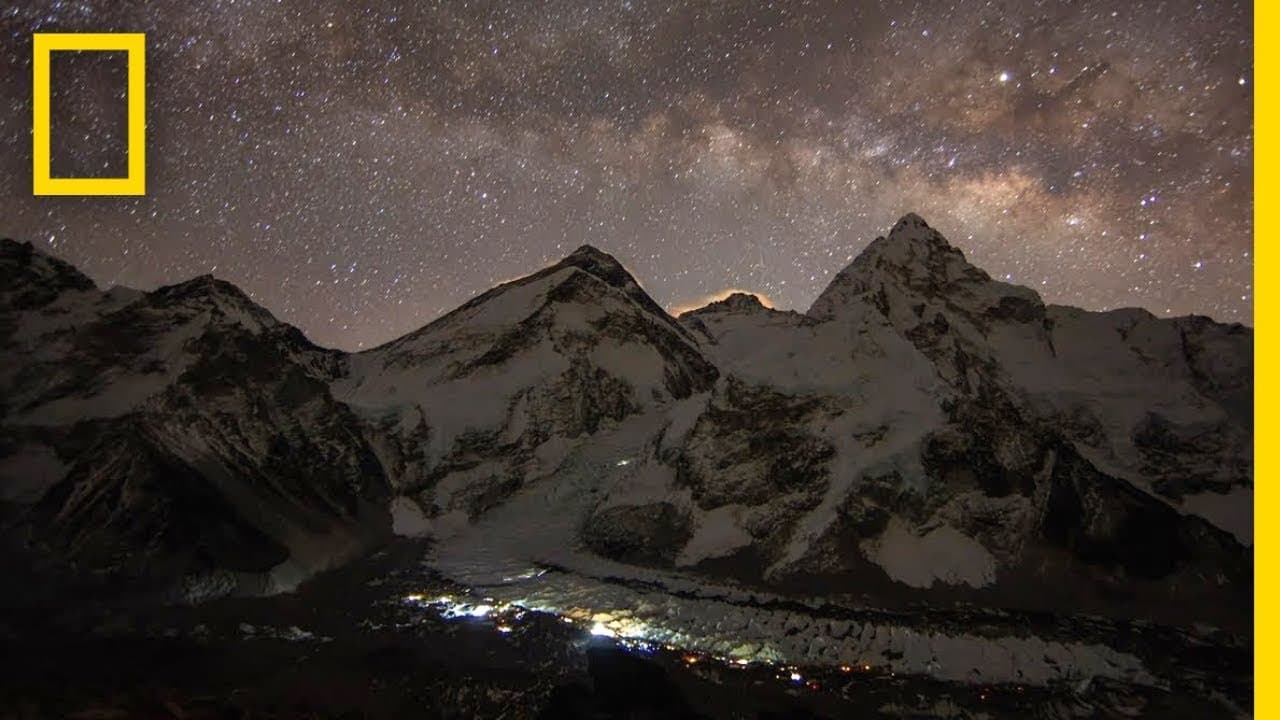
Scientist installs the highest weather station on Mount Everest to study climate change.
Transcript
everest is one of the most extreme environments on the planet and nobody has ever fully quantified the climate conditions up there we're going to be pushing the envelope attempting to install the highest weather station in the world to improve our understanding of weather patterns and climate change in the mount everest region these high mountain r... Read More
Key Insights
- ✋ Mount Everest's high altitude provides a unique environment for studying climate change.
- ☀️ The weather stations aim to improve weather forecasting accuracy and fill gaps in climate change knowledge.
- 💨 Installation challenges include extreme temperatures, wind speeds, and logistical difficulties.
- 👨🔬 Scientists need to be patient and resilient when conducting research in harsh environments.
- 😤 Proper team coordination and efficiency are crucial for successful high-altitude scientific expeditions.
- 🌱 The weather stations offer valuable data for planning future climate change scenarios.
- ❓ Scientific expeditions on Mount Everest require dedication, patience, and adaptability.
Install to Summarize YouTube Videos and Get Transcripts
Explore YouTube Video Summarizer or Get YouTube Transcript Extractor
Questions & Answers
Q: Why is installing a weather station on Mount Everest crucial for climate research?
Mount Everest offers unique insights into climate change impacts due to extreme conditions at high altitudes, making it essential for better understanding global climate patterns.
Q: What challenges did the team face during the installation process?
The team encountered logistical hurdles, extreme weather conditions, and technical difficulties in ensuring the weather stations could function effectively in such harsh environments.
Q: How does installing a high-altitude weather station contribute to weather forecasting?
The data collected by the weather stations, including wind speed, temperature, and humidity, can enhance forecasting accuracy and provide valuable information for researchers studying climate change.
Q: What skills and preparations are required for individuals involved in such high-altitude scientific expeditions?
Climbing Mount Everest demands years of training, skills in dealing with extreme cold and high altitudes, and the ability to adapt to constantly changing mountain environments, emphasizing the rigorous preparation required for such expeditions.
Summary & Key Takeaways
-
Mount Everest hosts extreme climate conditions, prompting the installation of the highest weather station for climate research.
-
The weather stations monitor various meteorological data to improve weather forecasting and fill gaps in climate change understanding.
-
Installation challenges include extreme temperatures, wind speeds, and logistical difficulties, highlighting the dedication needed for such scientific endeavors.
Read in Other Languages (beta)
Share This Summary 📚
Summarize YouTube Videos and Get Video Transcripts with 1-Click
Try YouTube Summary with ChatGPT & Claude or YouTube Transcript Generator
Explore More Summaries from National Geographic 📚



Summarize YouTube Videos and Get Video Transcripts with 1-Click
Try YouTube Summary with ChatGPT & Claude or YouTube Transcript Generator