Instructor Interview: Flipping the Classroom "Changing Everything"
TL;DR
Incorporating MOOC material into a traditional class transformed the teaching dynamic, leading to increased student knowledge and engagement.
Transcript
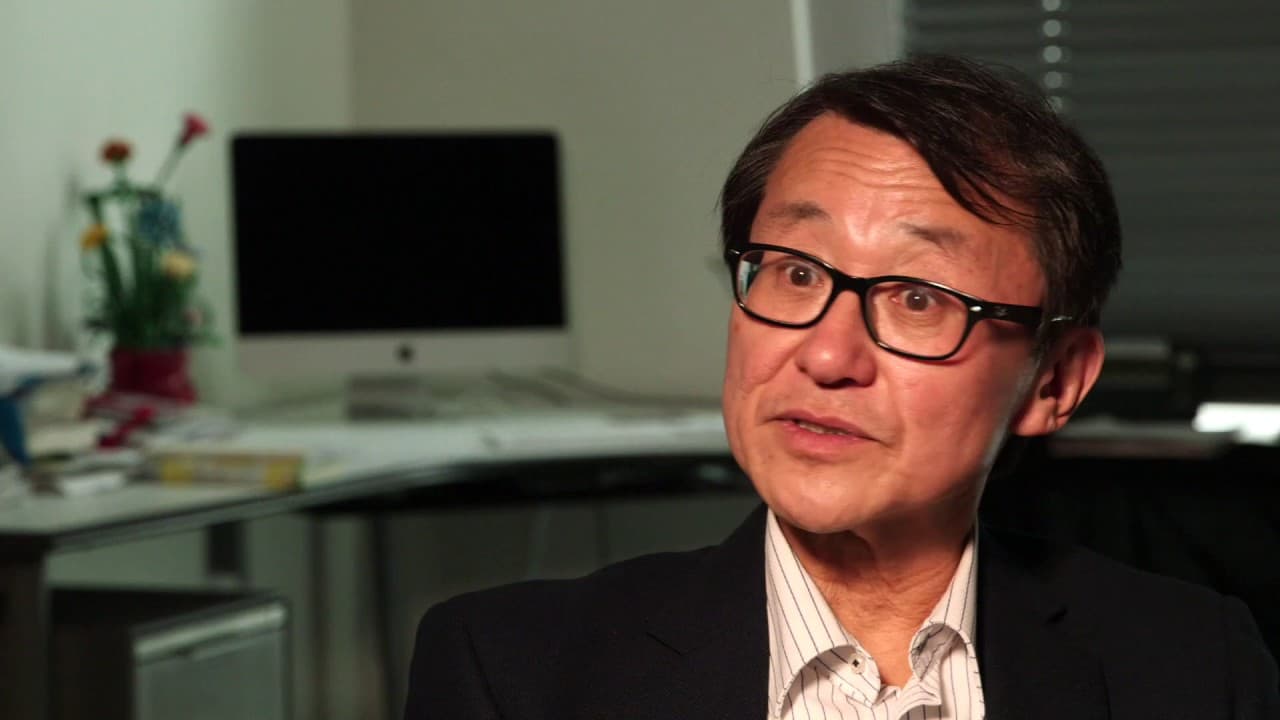
SHIGERU MIYAGAWA: So I developed the MOOC Visualizing Japan, which is an MITx HarvardX joint project with John Dower of MIT, Annie Gordon of Harvard, and also Gennifer Weisenfeld of Duke. I incorporated the MOOC material into my residential class in 2014, and it changed everything. It changed literally everything. And I continued to use it right up... Read More
Key Insights
- 🧑🎓 Incorporating MOOC material transformed a traditional class into a flipped classroom, resulting in increased student knowledge and engagement.
- 🥺 The flipped classroom approach led to students coming to class with a wealth of knowledge, enabling deeper discussions and exploration of complex questions.
- 🧑🎓 The effectiveness of the flipped classroom approach was evident in the increased time students spent participating and discussing compared to traditional lecturing.
- 👋 The flipped classroom approach required good material, particularly video content, to ensure students were adequately prepared before class.
- 💁 By touching the material multiple times through video viewing, discussion, and application, students were able to gain a deeper understanding and retain more information.
- 🧑🎓 Lecturing, although missed by faculty, was not as effective as the flipped classroom approach in terms of student learning.
- 🐬 The success of the flipped classroom approach highlights the need for innovative teaching methods to adapt to changing educational landscapes.
Install to Summarize YouTube Videos and Get Transcripts
Explore YouTube Video Summarizer or Get YouTube Transcript Extractor
Questions & Answers
Q: How did incorporating MOOC material into the residential class change the teaching approach?
The integration of MOOC material led to a flipped classroom approach, where lectures were replaced with interactive questioning and discussion. This resulted in increased student knowledge and engagement.
Q: What were the benefits of the flipped classroom approach?
The flipped classroom approach allowed students to come to class with a solid understanding of the material, leading to more in-depth discussions and the ability to explore deeper questions. It also shifted the focus from lecturing to student-centered learning.
Q: How did the flipped classroom approach compare to traditional lecturing in terms of student participation?
In a traditional lecture class, students were less engaged, with the lecturer speaking for 80% of the time. With the flipped classroom approach, the student participation increased to a 50-50 ratio, resulting in a qualitatively different and more effective learning environment.
Q: What role did video content play in the success of the flipped classroom approach?
Video content, combined with reading materials, served as a rich and effective source of knowledge for students. Watching videos before class allowed students to revisit the material multiple times, which enhanced their understanding and engagement.
Summary & Key Takeaways
-
Shigeru Miyagawa developed the MOOC Visualizing Japan and integrated it into his residential class, resulting in significant changes.
-
Students came to class with a wealth of knowledge after watching video lectures, enabling more interactive and discussion-based teaching.
-
The flipped classroom approach, where lecturing was replaced with questioning and discussion, fundamentally transformed Miyagawa's teaching.
Read in Other Languages (beta)
Share This Summary 📚
Summarize YouTube Videos and Get Video Transcripts with 1-Click
Try YouTube Summary with ChatGPT & Claude or YouTube Transcript Generator
Explore More Summaries from MIT OpenCourseWare 📚


Summarize YouTube Videos and Get Video Transcripts with 1-Click
Try YouTube Summary with ChatGPT & Claude or YouTube Transcript Generator