Why Science Education Needs Better Communication Training
TL;DR
Science education lacks communication training, which is crucial for translating complex scientific concepts into plain language for the public. Scientists often face barriers when attempting to communicate their work beyond academia. Integrating communication skills into science education can enhance public understanding and trust in science, especially in times of misinformation.
Transcript
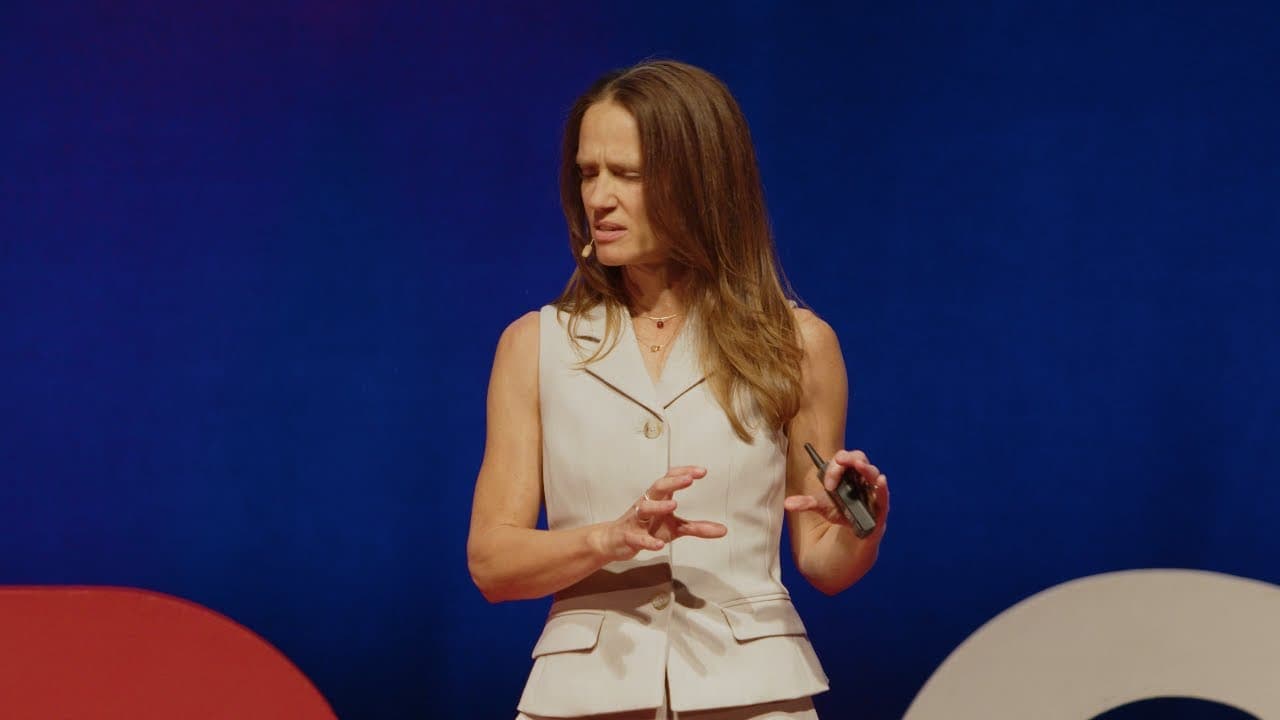
You see this jar? It's a swear jar. But, it's not your typical swear jar. Most people get swear jars for swearing and using curse words. My jar is different. It's a science swear jar. My daughter made it for me when she was about 10 years old, and the rule is simple. Whenever I talk about science when I've not been asked to, I pay the jar. As you c... Read More
Key Insights
- Science education currently lacks formal communication training, which is essential for public engagement.
- Scientists face barriers when communicating science beyond academic settings, affecting their career progress.
- The scientific process is often misunderstood by the public due to complex jargon and lack of clear communication.
- Science communication is not considered a criterion for hiring or promotion in most academic institutions.
- Misinformation spreads easily because it is communicated in simple, understandable terms.
- Effective science communication can enhance public trust and understanding, especially during crises like the COVID-19 pandemic.
- Training scientists in communication skills can help bridge the gap between scientific communities and the public.
- Science should be communicated as an ongoing journey, similar to storytelling in cooking shows, to make it more relatable.
Install to Summarize YouTube Videos and Get Transcripts
Explore YouTube Video Summarizer or Get YouTube Transcript Extractor
Questions & Answers
Q: Why do scientists struggle with public communication?
Scientists struggle with public communication because their education and training focus heavily on technical expertise and jargon, which are not easily understood by the general public. Additionally, communication skills are not prioritized in their career progression, leading to a gap in effectively conveying complex scientific ideas in simple terms.
Q: How does misinformation spread more easily than scientific facts?
Misinformation spreads more easily than scientific facts because it is often presented in simple, clear, and engaging language that resonates with the public. In contrast, scientific facts are frequently communicated using complex jargon and technical language, making them less accessible and harder to understand for non-experts.
Q: What role does science communication play in public trust?
Science communication plays a crucial role in building public trust by making scientific knowledge accessible and understandable. Clear communication helps the public appreciate the value of science, understand its processes, and trust its findings, especially during crises when accurate information is critical.
Q: Why is science communication not prioritized in academia?
Science communication is not prioritized in academia because traditional academic metrics focus on research output, such as publications and grants, rather than public engagement. Communication is often viewed as a 'soft skill' and is not included in criteria for hiring or promotion, leading to a lack of incentive for scientists to engage with the public.
Q: How can science education be improved to include communication training?
Science education can be improved by integrating communication training into graduate and medical education programs. This can involve teaching scientists how to convey complex ideas in simple terms, engaging with the public effectively, and understanding the importance of storytelling in science to make it relatable and impactful.
Q: What impact did the COVID-19 pandemic have on science communication?
The COVID-19 pandemic highlighted the critical need for effective science communication, as rapid changes in scientific understanding led to public confusion and mistrust. Clear, consistent communication was essential to convey evolving guidelines and counter misinformation, demonstrating the importance of training scientists to communicate effectively with the public.
Q: What is the paradox faced by scientists in sharing their work?
The paradox faced by scientists is that while they are eager to share their work with the public, the academic system does not support or reward such efforts. Communicating science beyond academia can slow their career progress, as traditional metrics do not value public engagement, creating a conflict between professional advancement and public outreach.
Q: How can science be communicated as a journey?
Science can be communicated as a journey by adopting storytelling techniques used in popular media, such as cooking shows. This involves presenting science as an ongoing process, highlighting the steps, challenges, and outcomes, making it relatable and engaging for the public. This approach helps demystify science and fosters a deeper understanding of its impact.
Summary & Key Takeaways
-
Science education lacks communication training, which is vital for making complex concepts accessible to the public. Scientists often struggle to translate their work into plain language, leading to misunderstandings. Integrating communication skills into science education can help bridge this gap and enhance public trust.
-
Scientists face systemic barriers when trying to communicate their work beyond academia, as communication is not prioritized in career advancement. This disconnect limits public understanding and engagement with scientific research, especially during times of crisis.
-
Misinformation thrives because it is simple and easy to share, highlighting the need for scientists to effectively communicate their work. By training scientists in communication skills, science can be presented as a relatable journey, improving public perception and understanding.
Read in Other Languages (beta)
Share This Summary 📚
Summarize YouTube Videos and Get Video Transcripts with 1-Click
Try YouTube Summary with ChatGPT & Claude or YouTube Transcript Generator
Explore More Summaries from TEDx Talks 📚
Summarize YouTube Videos and Get Video Transcripts with 1-Click
Try YouTube Summary with ChatGPT & Claude or YouTube Transcript Generator