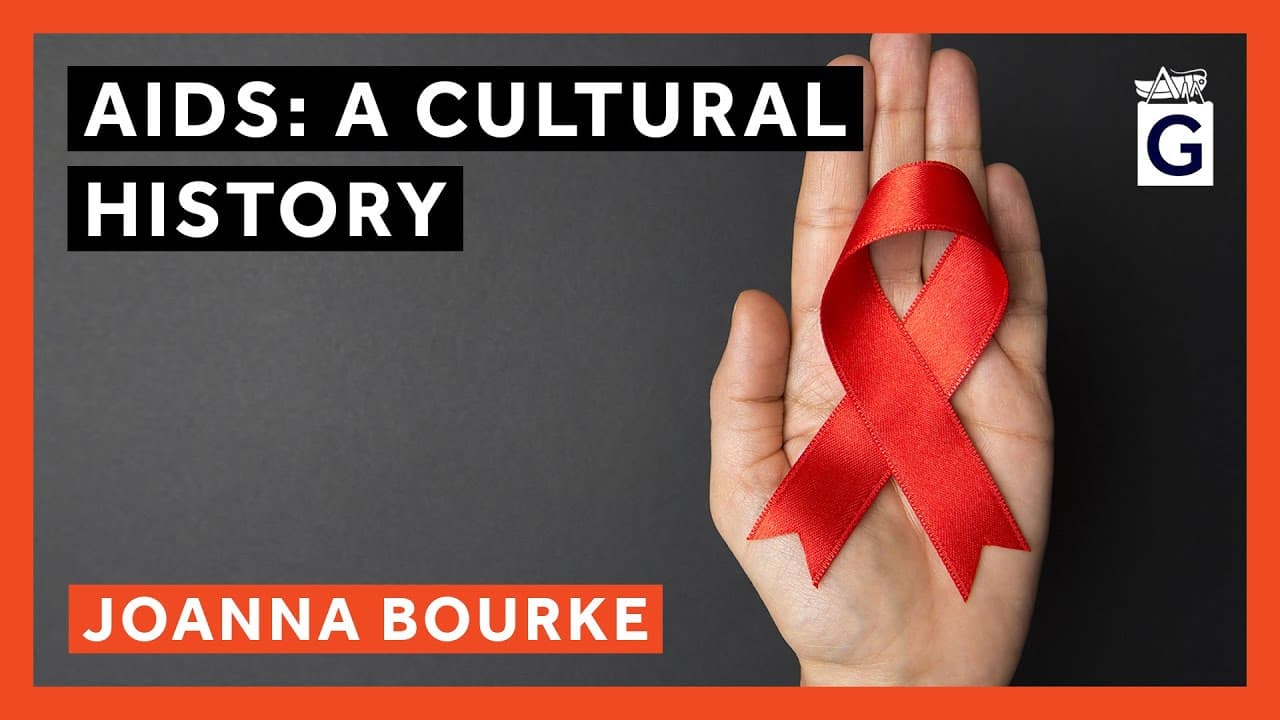
AIDS: A Cultural History
TL;DR
AIDS history explored through images, activism, and representation, highlighting the impact on marginalized communities and the evolution of responses.
Transcript
I'm going to start just with a brief history um because I'm not sure how much people um know here I imagine quite a lot um looking at then I'll turn to questions of representation and risk gay pride and homophobia it's the social gospel and the turn to moralism Human Rights and as it morphs in to risk management the criminalization of HIV and along... Read More
Key Insights
- 🤬 The depiction of AIDS through images and symbols has shaped public understanding and activism efforts.
- ❓ Activist movements like ACT UP challenged stigmatization and discriminatory practices in the management of HIV/AIDS.
- 😨 Conspiracy theories, misinformation, and societal responses have fueled discrimination and hindered effective HIV/AIDS prevention and care.
- ❓ The HIV/AIDS epidemic intersected with broader issues like homophobia, discrimination, and social marginalization, impacting marginalized communities disproportionately.
- ❓ The tension between different approaches within activist movements highlights debates around sex positivity, celibacy, and community support in responding to the AIDS crisis.
- 🥰 Cultural representations through art, media, and literature have navigated complex narratives and challenges in addressing the impact of HIV/AIDS.
- ❓ Structural barriers, discrimination, and healthcare disparities have influenced the spread and management of HIV/AIDS globally, affecting marginalized populations significantly.
Install to Summarize YouTube Videos and Get Transcripts
Explore YouTube Video Summarizer or Get YouTube Transcript Extractor
Questions & Answers
Q: How did photographer Nicholas Nixon aim to humanize AIDS through his photographs?
Nixon sought to humanize the disease by capturing individuals like Tom Moran with AIDS, hoping to transcend statistics and convey the humanity of those affected.
Q: Why did some activists criticize Nixon's photographs in the series "People with AIDS"?
Activists like Douglas Crimp argued that the photographs lacked political context, dehumanizing those with AIDS and exacerbating the stigma and otherness associated with the disease.
Q: How did HIV/AIDS impact marginalized communities in terms of discrimination and representation?
Minoritized communities, especially Black and Latino populations, faced higher morbidity rates due to structural barriers, discrimination, and disparities in healthcare access, contributing to inequalities in HIV/AIDS outcomes.
Q: How did the response to HIV/AIDS shift in the post-AIDS era, especially in terms of medical management and activism?
The post-AIDS era saw a shift towards medical regulation, risk management, and commercialization of HIV/AIDS, moving away from grassroots activism and community support towards state regulation and pharmaceutical interventions.
Summary & Key Takeaways
-
The history of AIDS has been framed through images and symbols, sparking debates and activism.
-
Representation of people with AIDS has been contentious, provoking concerns of dehumanization and phobic effects.
-
Activist movements like ACT UP challenged stigmatization, pushed for rights, and resisted harmful narratives.
Read in Other Languages (beta)
Share This Summary 📚
Summarize YouTube Videos and Get Video Transcripts with 1-Click
Try YouTube Summary with ChatGPT & Claude or YouTube Transcript Generator
Explore More Summaries from Gresham College 📚


Summarize YouTube Videos and Get Video Transcripts with 1-Click
Try YouTube Summary with ChatGPT & Claude or YouTube Transcript Generator