Puffins | National Geographic
TL;DR
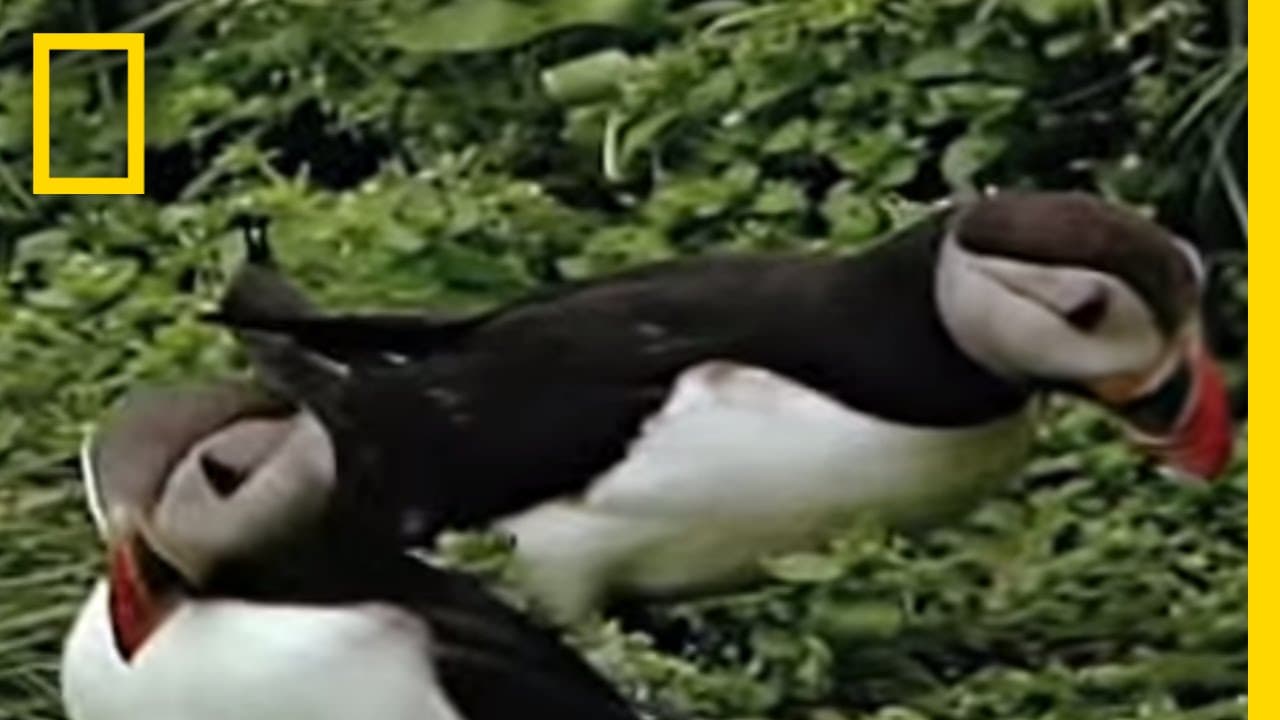
Volcanic activity and climate change impacting puffins in Iceland, leading to breeding failures and potential relocation.
Transcript
on a sunny summer day iceland's westman islands seem a vision of serenity but despite the placid appearance this is in fact one of the most volatile places on earth volcanic activity runs rampant in iceland earthquakes and eruptions occur frequently and the land above and below the sea is in a constant state of flux the landscape is not the only th... Read More
Key Insights
- 🥇 Volcanic activity and earthquakes make Iceland's Westman Islands a volatile place.
- 🐟 Puffins in Iceland are dying from starvation due to a decline in sand lance fish, impacting breeding.
- 😮 Climate change, indicated by rising ocean temperatures, is affecting puffin populations.
- 🥺 Loss of sand lance fish has led to breeding failures among various seabird species in Iceland.
- 💱 Researchers attribute the decline in sand lance to climate change and changing ocean temperatures.
- 😋 Puffins may seek new nesting grounds if food supply remains scarce in Iceland.
- 💱 The puffin crisis in Iceland showcases the immediate impact of climate change on vulnerable species.
Install to Summarize YouTube Videos and Get Transcripts
Explore YouTube Video Summarizer or Get YouTube Transcript Extractor
Questions & Answers
Q: Why are puffins in Iceland experiencing breeding failures?
Puffins in Iceland are facing breeding failures due to a severe decline in their main food source, the sand lance fish. This shortage has led to starvation among the puffins, resulting in breeding failures.
Q: How is climate change linked to the puffin crisis in Iceland?
Climate change, specifically rising ocean temperatures in Iceland, has affected the availability and timing of the sand lance fish, leading to breeding problems among puffins. This significant environmental change is impacting the entire ecosystem of the Westman Islands.
Q: Are puffins the only seabirds affected by the decline in sand lance fish?
No, other Icelandic seabirds have also experienced breeding problems due to the scarcity of the sand lance fish. The loss of this crucial food source has disrupted the reproductive cycles of various seabird species in the region.
Q: What are the potential implications of the puffin crisis in Iceland?
The puffin crisis in Iceland highlights the far-reaching effects of climate change on wildlife populations. If the food supply continues to decline, puffins may seek new nesting grounds, impacting the ecosystem of the Westman Islands.
Summary & Key Takeaways
-
Iceland's Westman Islands are volatile due to frequent volcanic activity and earthquakes.
-
Puffins, beloved inhabitants, are dying from starvation due to a decline in sand lance fish.
-
Climate change, specifically rising ocean temperatures, is linked to the puffin crisis.
Read in Other Languages (beta)
Share This Summary 📚
Summarize YouTube Videos and Get Video Transcripts with 1-Click
Try YouTube Summary with ChatGPT & Claude or YouTube Transcript Generator
Explore More Summaries from National Geographic 📚

Summarize YouTube Videos and Get Video Transcripts with 1-Click
Try YouTube Summary with ChatGPT & Claude or YouTube Transcript Generator