A Dark Way to Predict what might happen in your relationship
TL;DR
Childhood experiences can shape adult relationship dynamics, often leading to victim-perpetrator roles.
Transcript
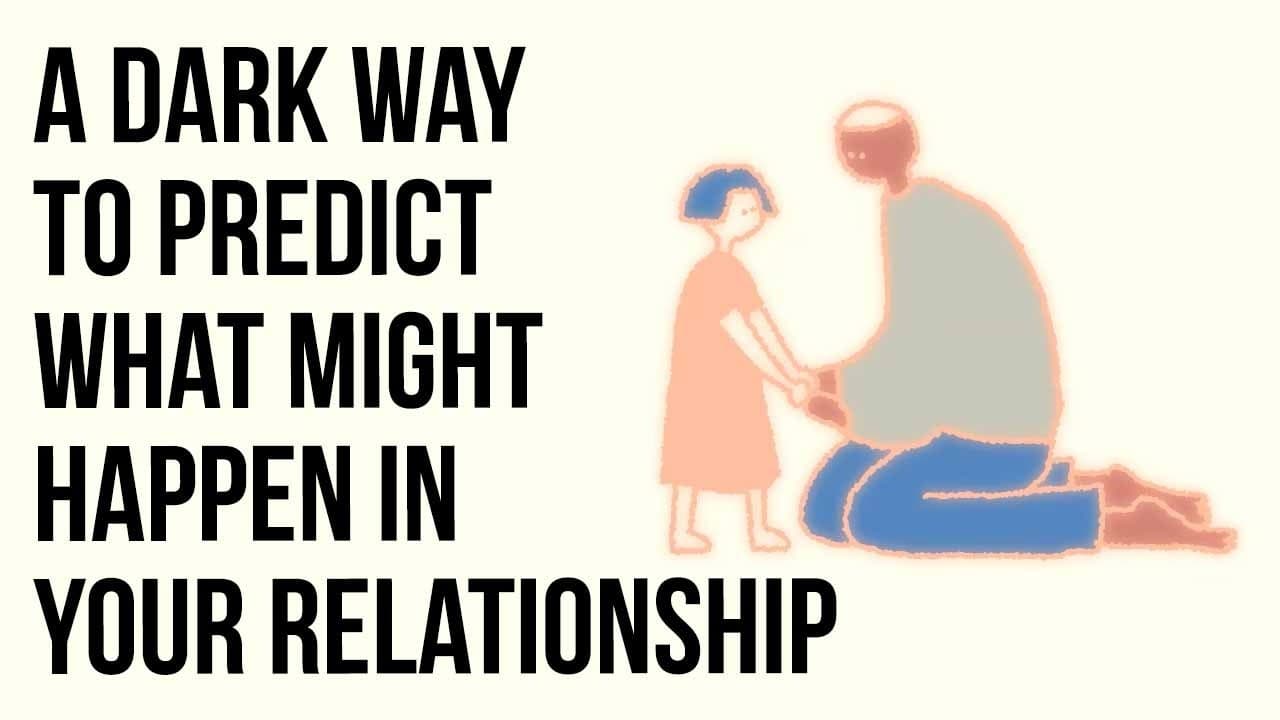
a dark and frightening way to predict what might happen in your relationship with a new person is to ask them what happened to them in their childhood often we stand to hear a sad and somber Tale in which our partner was cast in the role of a victim as children typically are for example at a young age their parents turned against your partner and d... Read More
Key Insights
- 🥰 Early family dynamics often shape how individuals perceive love and conflict in adult relationships.
- 👨🎨 The shift from victim to perpetrator can sometimes occur unconsciously, reflecting unresolved childhood pain.
- 🧑🤝🧑 Acknowledging and examining past traumas is crucial for couples to prevent repetition of harmful patterns.
- ❓ Communication and emotional awareness are fundamental in recognizing unhealthy dynamics in relationships.
- 💨 Healing necessitates a move away from victimization towards a nurturing role that fosters growth and understanding.
- 😑 Partners must strive to create safe spaces for each other to express vulnerabilities without fear of judgment.
- 🥰 Genuine love in relationships is defined not by the roles of victim or perpetrator, but by mutual support and caregiving.
Install to Summarize YouTube Videos and Get Transcripts
Explore YouTube Video Summarizer or Get YouTube Transcript Extractor
Questions & Answers
Q: How does childhood trauma influence adult relationship behaviors?
Childhood trauma significantly impacts how individuals respond to intimacy and conflict in adult relationships. For instance, those who experienced neglect or emotional abuse may unconsciously replicate the dynamics they faced as children. They could either become overly distant or overly dependent, sometimes oscillating between victim and perpetrator roles, which creates a complicated, often painful dynamic.
Q: What signs might indicate a partner is enacting their childhood trauma in a relationship?
Signs can include emotional withdrawal, sudden distance, or dismissive comments reflecting past traumas. For example, if a partner starts to criticize you for traits they had once accepted or begins to show affection towards others while neglecting you, it may indicate a struggle with unresolved childhood issues projecting into the adult relationship.
Q: How can couples address these patterns in their relationship?
Couples should engage in open dialogues about their childhood experiences and the associated emotional impacts. Employing techniques such as active listening, validation, and therapeutic interventions can help illuminate these dynamics. Additionally, fostering awareness and empathy can facilitate a healthier relational framework, allowing partners to shift towards nurturing behaviors.
Q: What role does awareness play in breaking the cycle of trauma in relationships?
Increased awareness is fundamental in breaking cycles of traumatic reenactment. By acknowledging and discussing maladaptive patterns, partners can choose to change their roles from victim and perpetrator to nurturer and caregiver. This shift encourages healing and allows for the establishment of a mutually supportive relationship, breaking free from painful past influences.
Summary & Key Takeaways
-
Childhood trauma can lead to a cycle of emotional dynamics in adult relationships, where one partner may take on the role of a perpetrator, echoing their past experiences.
-
Early sympathetic responses to a partner's childhood victimhood might mask deeper relational issues, which can take years to surface, complicating the relationship.
-
Recognizing these patterns is crucial to developing healthier dynamics, where partners can adopt nurturing roles instead of perpetuating cycles of victimization.
Read in Other Languages (beta)
Share This Summary 📚
Summarize YouTube Videos and Get Video Transcripts with 1-Click
Try YouTube Summary with ChatGPT & Claude or YouTube Transcript Generator