Ronald Rael: An architect's subversive reimagining of the US-Mexico border wall | TED
TL;DR
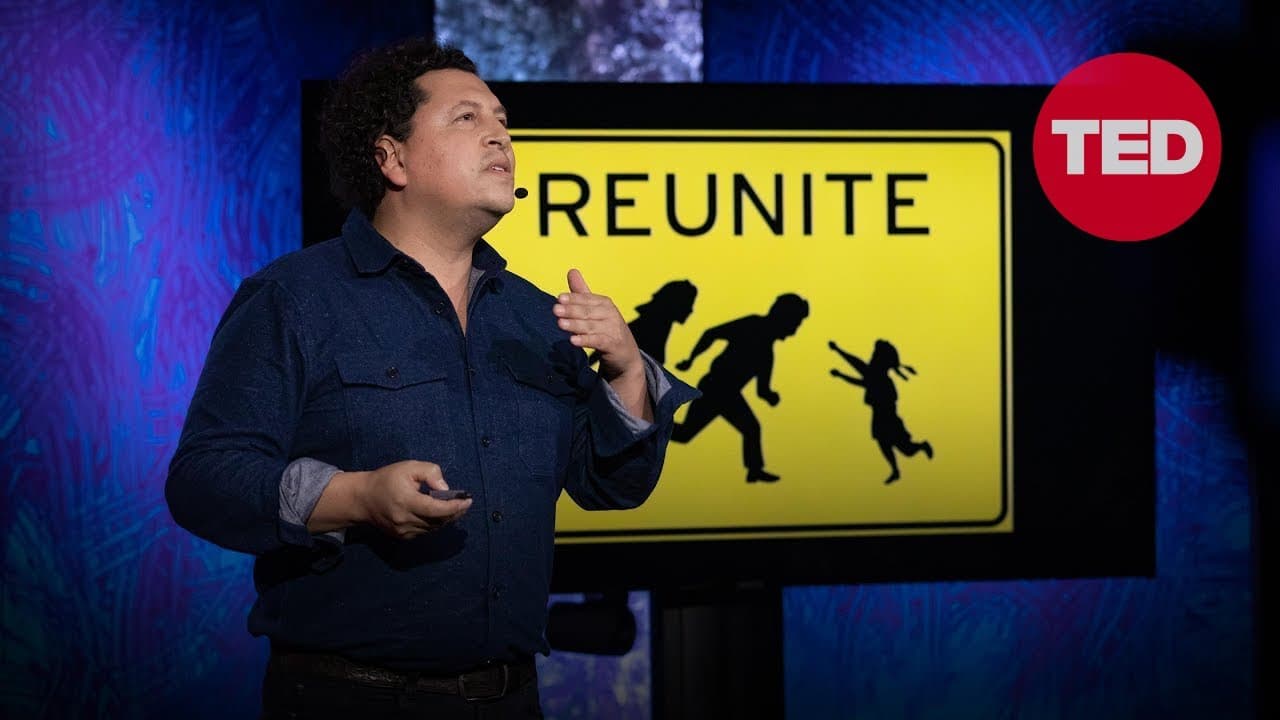
This content delves into the intersection of architecture, borders, and the impact of walls on individuals and communities.
Transcript
Isn't it fascinating how the simple act of drawing a line on the map can transform the way we see and experience the world? And how those spaces in between lines, borders, become places. They become places where language and food and music and people of different cultures rub up against each other in beautiful and sometimes violent and occasionally... Read More
Key Insights
- 🌍 Borders are not just lines on a map but become places where language, food, music, and people of different cultures intersect in both beautiful and violent ways.
- 🏛️ Architecture can be a powerful tool to communicate politically and culturally complex ideas, as well as highlight disparities between wealth and poverty and what is local and foreign.
- 🛠️ The border wall between the US and Mexico is a design structure, created and tested at a research facility called FenceLab, but its medieval form is an overly simplistic response to a complex set of issues.
- 🏹 Along the border, medieval technologies have emerged to counteract the wall, such as catapults and cannons used to transport drugs, highlighting how the wall itself is an arcane form of architecture.
- 👧👨 People are finding ways to come together across the border divide through activities like binational yoga classes and borderland volleyball, challenging the purpose of the wall and transforming it into a line negotiated by minds, bodies, and spirits.
- ⚾ Baseball, a sport played along the border, could potentially open up the walls, allowing communities to interact and fostering mutual understanding between Border Patrol agents and border residents.
- 🥘 A line drawn on a map and a wall can make normal events like food and money exchange through the border illegal, emphasizing the need to build longer tables instead of higher walls.
- 🔧 The border wall is not just dividing places but also cutting through people's lives, homes, and families, exacerbating disparities between wealth and poverty and separating children from their parents.
Install to Summarize YouTube Videos and Get Transcripts
Explore YouTube Video Summarizer or Get YouTube Transcript Extractor
Questions & Answers
Q: How does drawing lines on a map transform our perception of the world?
Drawing lines on a map can transform the way we see and experience the world by creating borders that become places where different cultures, languages, and people interact. These lines can also create scars in the landscape and in our memories, shaping our understanding of these spaces in between.
Q: What sparked the speaker's interest in borders?
The speaker became interested in borders while working on architecture projects along the US-Mexico border. This led to a search for an architecture of the borderlands, exploring how design could communicate politically and culturally complex ideas and shed light on the problems caused by the border wall.
Q: Is the border wall considered architecture?
While the border wall is a design structure that is tested and researched for its impermeability, it is viewed as an overly simplistic and medieval form of architecture. It is an inadequate response to the complex issues surrounding borderlands. However, the speaker believes it is crucial for architects to design for the spaces and people affected by the wall.
Q: How is the border wall bringing people together?
Despite the purpose of the border wall being to keep people apart, it has actually brought people together in remarkable ways. Binational yoga classes and a borderland version of volleyball called "wall y ball" have been organized along the border, creating opportunities for connection and celebrating binational heritage. These social events challenge the divide and showcase the potential for unity.
Q: How has the border wall affected relationships and families?
The wall has not only divided places but also people and families. It cuts through private property, public lands, Native American lands, cities, universities, and neighborhoods. The speaker highlighted how the wall cuts through houses, symbolizing the division it creates. Additionally, the unfortunate politics of the wall have resulted in the separation of children from their parents at the border, further emphasizing the detrimental impact on relationships.
Summary & Key Takeaways
-
The act of drawing lines on maps creates borders that become places where different cultures interact, sometimes violently, but also in beautiful ways.
-
The speaker, an architect, explores the concept of borderlands and questions whether the border wall between the US and Mexico should be considered architecture.
-
The speaker highlights the importance of designing for the spaces between walls and the need to bring down walls that divide, while showcasing examples of community events and designs that promote unity and dialogue across borders.
Read in Other Languages (beta)
Share This Summary 📚
Summarize YouTube Videos and Get Video Transcripts with 1-Click
Try YouTube Summary with ChatGPT & Claude or YouTube Transcript Generator
Explore More Summaries from TED 📚

Summarize YouTube Videos and Get Video Transcripts with 1-Click
Try YouTube Summary with ChatGPT & Claude or YouTube Transcript Generator