Can We Keep Neurons Active…with Algae?
TL;DR
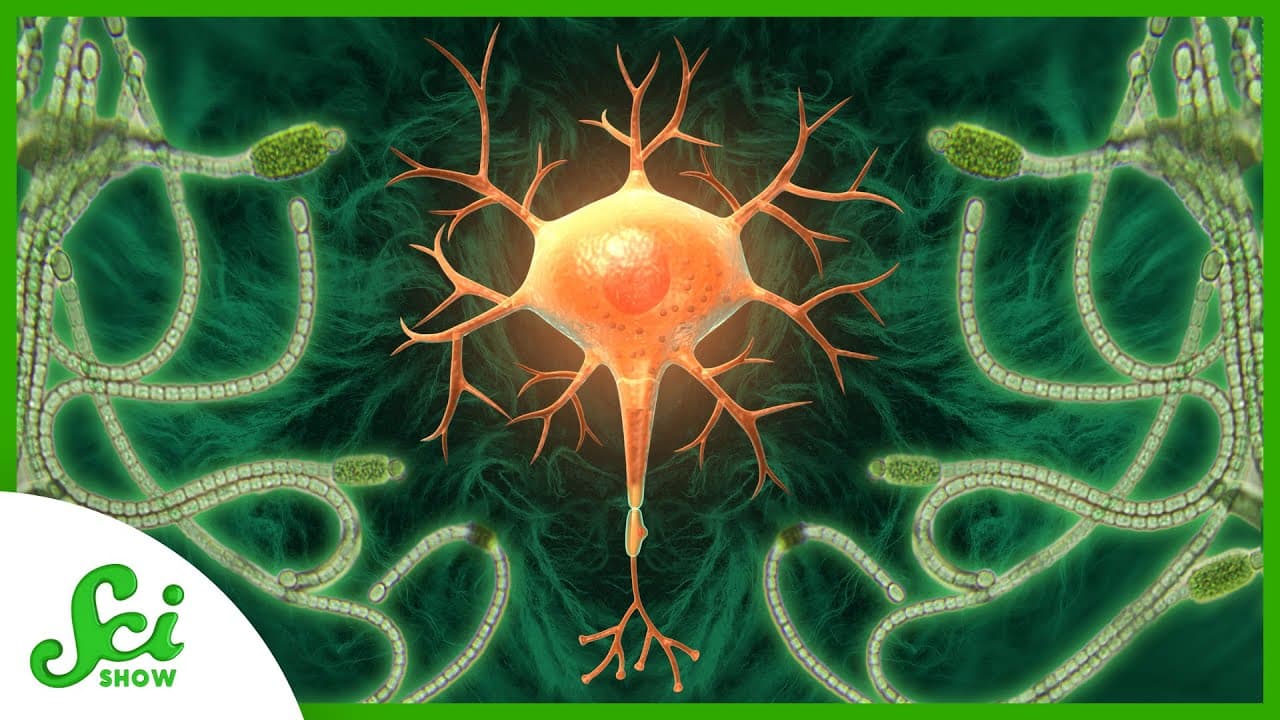
Researchers use cyanobacteria to deliver oxygen to the brain, potentially aiding in oxygen-starved neuron reactivation and future oxygen delivery solutions.
Transcript
Thanks to Brilliant for supporting this episode of SciShow. If you’re looking to start the year by building new habits, there’s no better place to channel all that productive energy than with today’s sponsor, Brilliant; check them out at Brilliant.org/SciShow. [♪ INTRO] Tiny microbes, like cyanobacteria, can produce a lot of oxygen through phot... Read More
Key Insights
- 🧠 Cyanobacteria and other marine microbes can potentially deliver oxygen to oxygen-starved neurons in the brain.
- 🧠 Successful experiments on Xenopus tadpoles show promise in jump-starting brain function through microbe-based oxygen delivery.
- 🦠 Challenges of potential immune responses, microbe clumping, and oxygen level control need to be addressed before human trials.
Install to Summarize YouTube Videos and Get Transcripts
Explore YouTube Video Summarizer or Get YouTube Transcript Extractor
Questions & Answers
Q: How do marine microbes like cyanobacteria assist in delivering oxygen to the brain?
Marine microbes are capable of producing oxygen through photosynthesis, which can be utilized for oxygen delivery to oxygen-starved neurons in the brain, potentially aiding in their reactivation during times of need.
Q: What were the results of the experiments on Xenopus tadpoles regarding oxygen delivery to the brain?
Researchers successfully injected cyanobacteria into Xenopus tadpoles, enabling the marine microbes to produce enough oxygen in the blood vessels surrounding the brain, jump-starting brain function and restoring neuronal activity in the tadpoles.
Q: What challenges and potential risks are associated with using marine microbes for oxygen delivery in humans?
Concerns include immune system responses to foreign microorganisms, risks of microbe clumping in arteries, and difficulty in controlling oxygen levels accurately, highlighting the need for further research and development before human trials can be conducted.
Summary & Key Takeaways
-
Cyanobacteria, like green algae, can provide ample oxygen for the brain, essential for proper neuronal function.
-
Experiments on Xenopus tadpoles show success in jump-starting brain function through oxygen delivery by microbe injection.
-
Challenges remain, such as potential immune responses and control over oxygen levels, before human trials can be considered.
Read in Other Languages (beta)
Share This Summary 📚
Summarize YouTube Videos and Get Video Transcripts with 1-Click
Try YouTube Summary with ChatGPT & Claude or YouTube Transcript Generator
Explore More Summaries from SciShow 📚


Summarize YouTube Videos and Get Video Transcripts with 1-Click
Try YouTube Summary with ChatGPT & Claude or YouTube Transcript Generator