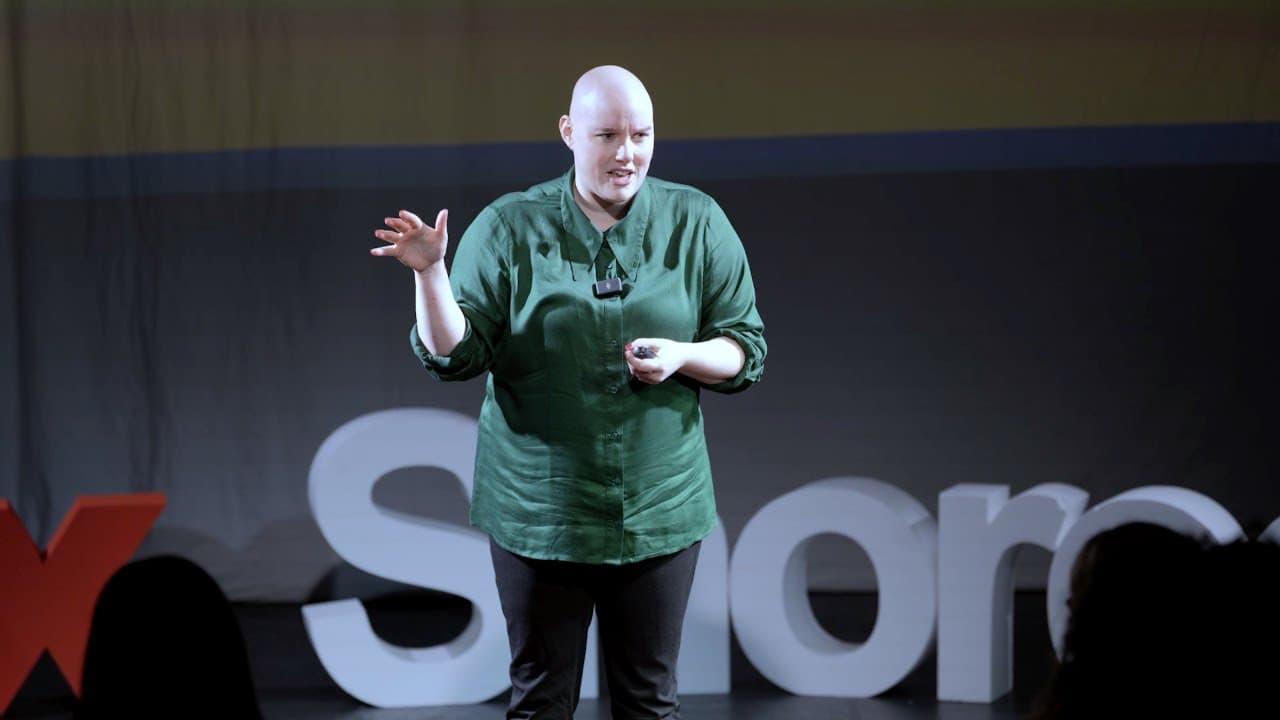
Why My Bald Head Makes You Uncomfortable | Laura Mathias | TEDxShoreditch Women
TL;DR
Media perpetuates unrealistic beauty standards, leading to discrimination; embracing visible differences challenges societal norms.
Transcript
[Applause] my hair isn't going to come back and I don't want it to so like most of us here I have days where I definitely feel more fabulous than others um and I think we can agree that every day we're bombarded with images of aesthetically appealing humans on our screens in print media and perhaps progressively in the company that we keep the medi... Read More
Key Insights
- 💅 Media perpetuates unrealistic beauty standards, impacting individuals' self-esteem.
- 🫥 Beauty is often equated with character and value, leading to discrimination against those with visible differences.
- 🫥 Embracing visible differences challenges societal norms and promotes inclusivity.
- 🫥 Appearance-related discrimination affects individuals with visible differences, leading to marginalization.
- 💬 Combatting lookism involves refraining from negative comments about appearance and promoting acceptance.
- 🤳 Society's obsession with appearance perpetuates body image issues and self-contempt.
- 💅 Challenging beauty ideals requires acknowledging biases and actively promoting inclusivity.
Install to Summarize YouTube Videos and Get Transcripts
Explore YouTube Video Summarizer or Get YouTube Transcript Extractor
Questions & Answers
Q: How does media portrayal of hair loss impact individuals facing alopecia?
Media portrayal of hair loss as a flaw or tragedy exacerbates the emotional turmoil experienced by individuals dealing with alopecia, leading to further insecurities and self-esteem issues.
Q: Why is it crucial to challenge societal beauty norms and embrace visible differences?
Challenging beauty norms and accepting visible differences promotes inclusivity and diversity, breaking away from the notion that beauty equates to value and character.
Q: What impact does appearance-related discrimination have on individuals with visible differences?
Appearance-related discrimination perpetuates exclusion and stigmatization, making individuals with visible differences feel marginalized and judged based on their appearance rather than their character.
Q: How can individuals combat lookism and promote acceptance of visible differences?
By refraining from making negative comments about one's appearance and resisting the urge to judge others based on looks, individuals can actively combat lookism and promote inclusivity.
Summary & Key Takeaways
-
Media shapes beauty ideals through slim, able-bodied images, affecting self-esteem.
-
Judging by appearance is prevalent; beauty equated with value perpetuates Inequity.
-
Embracing visible differences challenges societal norms and encourages acceptance.
Read in Other Languages (beta)
Share This Summary 📚
Summarize YouTube Videos and Get Video Transcripts with 1-Click
Try YouTube Summary with ChatGPT & Claude or YouTube Transcript Generator
Explore More Summaries from TEDx Talks 📚


Summarize YouTube Videos and Get Video Transcripts with 1-Click
Try YouTube Summary with ChatGPT & Claude or YouTube Transcript Generator