Hyperloop Explained
TL;DR
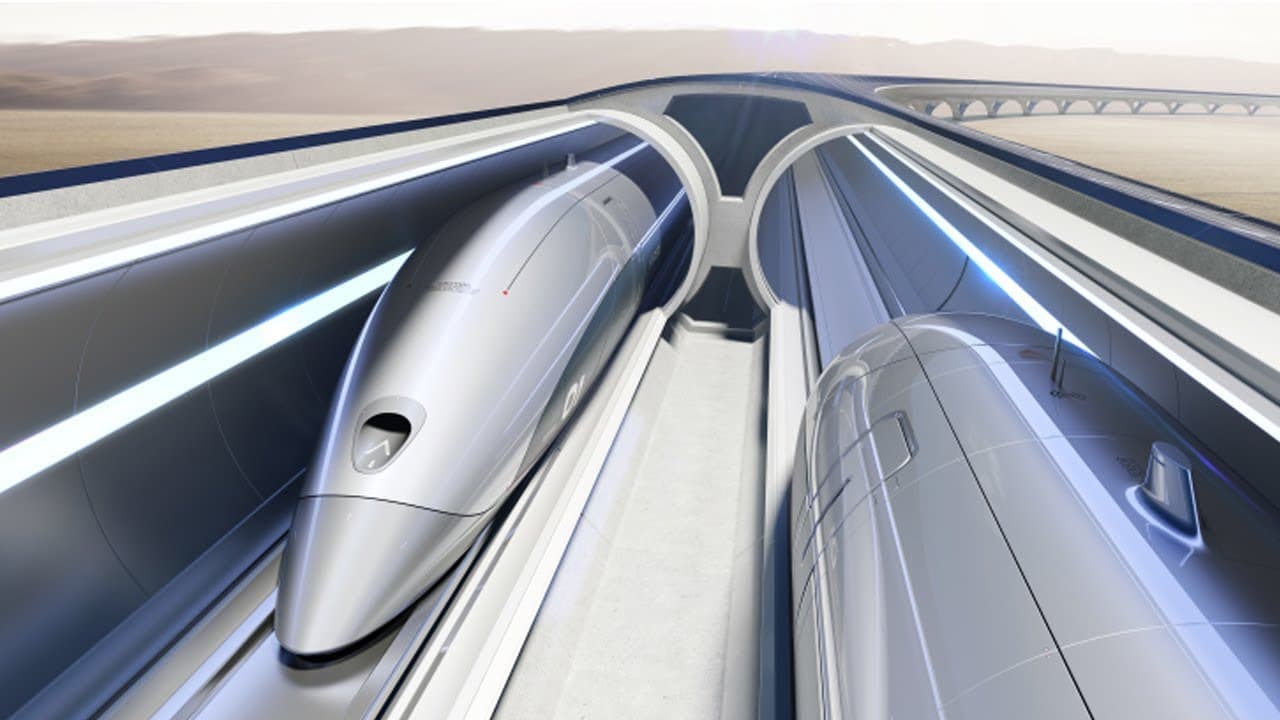
The Hyperloop is a high-speed transportation system that uses magnetic levitation and low-pressure tubes to drastically reduce travel times between cities.
Transcript
billed as the fastest way to cross the surface of the earth hyperloop represents the greatest leap in transport infrastructure for generations with passengers sitting in pods that travel at airline speed through pressurized tubes using electric propulsion and magnetic levitation the concept promises to slash journey times between major cities from ... Read More
Key Insights
- 👱 The Hyperloop concept was first proposed by Elon Musk in 2012 as a solution to reduce travel times between cities by eliminating friction and air resistance.
- 💦 Companies like Hyperloop Transportation Technologies and Virgin Hyperloop One are actively working towards making the Hyperloop a reality.
- 😘 Virgin Hyperloop One's technology combines magnetic levitation and a low-pressure vacuum sealed environment for the pods to travel through.
- 🗺️ The Hyperloop system offers advantages such as easy accessibility, reduced travel times, and potential housing and employment opportunities.
- ✊ The system requires very little energy and can be powered by renewable technologies.
- 🚨 Safety measures for the Hyperloop system include thick steel tubes, emergency exits in pods, and the ability to section off parts of the route in case of emergencies.
- 🗺️ The potential impact of the Hyperloop on transportation and travel is significant, with the ability to revolutionize the way we live, work, and travel.
Install to Summarize YouTube Videos and Get Transcripts
Explore YouTube Video Summarizer or Get YouTube Transcript Extractor
Questions & Answers
Q: How does the Hyperloop reduce travel times between cities?
The Hyperloop eliminates friction and air resistance by using magnetic levitation and traveling through low-pressure vacuum sealed tubes, allowing pods to reach speeds of over 760 miles per hour.
Q: What are the advantages of the Hyperloop system?
Hyperloop stations can be located within inner city areas with easy access to existing transport infrastructure, and the system allows for a turn-up and go principle without lengthy check-in processes. It also has the potential to significantly reduce travel time between cities and open up new housing and employment opportunities.
Q: How is the Hyperloop system powered?
The Hyperloop requires very little energy to propel pods through its tubes, making it possible to power the system with renewable technologies such as solar and wind, offering a cleaner alternative to air travel.
Q: What safety measures are in place for the Hyperloop system?
The Hyperloop tubes are constructed with thick steel that is difficult to puncture or break, and the system can handle changes in pressure and air leaks while maintaining structural integrity. Emergency exits are also provided in each pod, and the system can respond to emergencies by redirecting pods to the nearest portal.
Summary & Key Takeaways
-
The Hyperloop concept was first proposed by Elon Musk in 2012, aiming to create a super high-speed transportation system that eliminates friction and air resistance.
-
Several companies, including Hyperloop Transportation Technologies and Virgin Hyperloop One, are working towards making the Hyperloop a reality.
-
Virgin Hyperloop One, in particular, has made significant progress with its system, combining magnetic levitation and a low-pressure vacuum sealed environment for the pods to travel through.
Read in Other Languages (beta)
Share This Summary 📚
Summarize YouTube Videos and Get Video Transcripts with 1-Click
Try YouTube Summary with ChatGPT & Claude or YouTube Transcript Generator
Explore More Summaries from The B1M 📚



Summarize YouTube Videos and Get Video Transcripts with 1-Click
Try YouTube Summary with ChatGPT & Claude or YouTube Transcript Generator