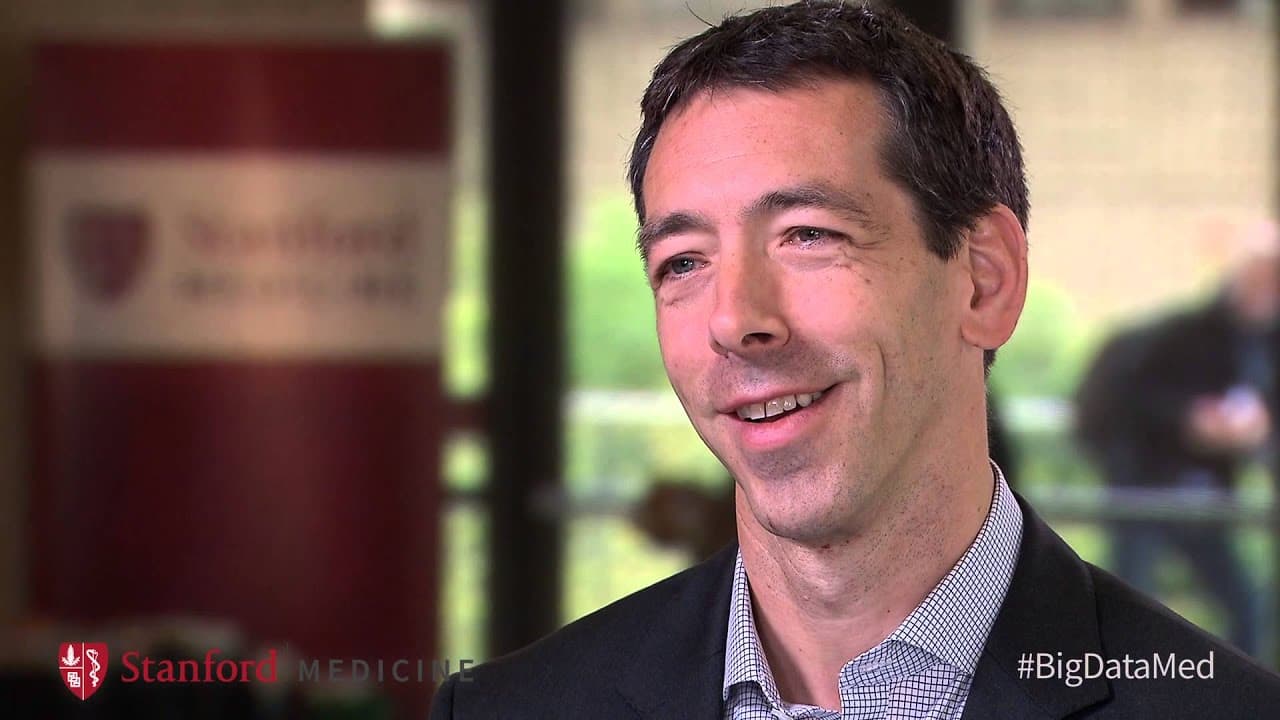
Euan Ashley, Stanford University: Big Data in Biomedicine Conference
TL;DR
Precision medicine, also known as personalized medicine, involves tailoring treatments to an individual's genetic makeup and other precise measurements. Omics technologies, such as genomics, proteomics, and transcriptomics, are key components of precision medicine.
Transcript
foreign Dr Ashley thanks so much for joining me today it's a pleasure to be here thanks for having me back oh knowledge gaps are you trying to address there well I think Precision medicine first of all is is uh it's worth thinking about exactly what we mean by that and really it's a new term that's really come up and given prominence by the preside... Read More
Key Insights
- 💊 Precision medicine, also known as personalized medicine, involves tailoring treatments to individual genetic makeup and precise measurements.
- 🫀 Omics technologies, including genomics, proteomics, and transcriptomics, are vital components of precision medicine.
- 😷 Genomics is currently the most widely used omics technology in medical care, with proteomics and transcriptomics following closely.
- 🖐️ The focus of precision medicine is shifting towards cancer treatment, where genomics plays a crucial role in determining tumor biology and optimizing therapy.
- 🫀 Building an evidence base for the clinical application of omics technologies is essential to ensure they contribute to improved patient outcomes and cost-effectiveness.
- 💊 Health economists are increasingly interested in the cost-effectiveness analysis of genomic medicine, which will help mainstream its use in healthcare.
Install to Summarize YouTube Videos and Get Transcripts
Explore YouTube Video Summarizer or Get YouTube Transcript Extractor
Questions & Answers
Q: What is precision medicine and how does it differ from personalized medicine?
Precision medicine, also known as personalized medicine, involves tailoring treatments to an individual's genetic makeup and other precise measurements. It goes beyond simply considering genetic factors and includes other omics technologies. The term precision medicine has gained prominence recently, but it is closely related to the concept of personalized medicine that has been around for some time.
Q: Besides genomics, what other omics technologies are being used in precision medicine?
Proteomics and transcriptomics are two other omics technologies used in precision medicine. Proteomics involves studying the proteins produced by genes, while transcriptomics focuses on RNA, which acts as a messenger between genes and proteins. Both these omics technologies provide additional information to enhance precision medicine approaches.
Q: Are there any clinical applications for omics technologies besides genomics?
Currently, genomics is the most extensively used omics technology in clinical care. However, proteomics is emerging as the next promising omics technology with growing applications. Transcriptomics, on the other hand, is still predominantly in the research domain. As the infrastructure for genomics improves, other omics technologies are expected to follow suit.
Q: How far are we from having omics technologies as a routine part of medical care?
While genomics is already being used in medical care, it is primarily focused on patients with specific diseases. The widespread use of genomics and other omics technologies for a broader range of patients is still progressing. However, applications such as pharmacogenomics and precision medicine in cancer treatment are already advancing swiftly.
Summary & Key Takeaways
-
Precision medicine, also known as personalized medicine, involves tailoring treatments to an individual's genetic makeup and other precise measurements.
-
Omics technologies, such as genomics, proteomics, and transcriptomics, play a crucial role in precision medicine.
-
While genomics is currently the most widely used omics technology in medical care, proteomics and transcriptomics are rapidly emerging.
Read in Other Languages (beta)
Share This Summary 📚
Summarize YouTube Videos and Get Video Transcripts with 1-Click
Try YouTube Summary with ChatGPT & Claude or YouTube Transcript Generator
Explore More Summaries from Stanford 📚

Summarize YouTube Videos and Get Video Transcripts with 1-Click
Try YouTube Summary with ChatGPT & Claude or YouTube Transcript Generator