Why people of different faiths are painting their houses of worship yellow | Nabila Alibhai
TL;DR
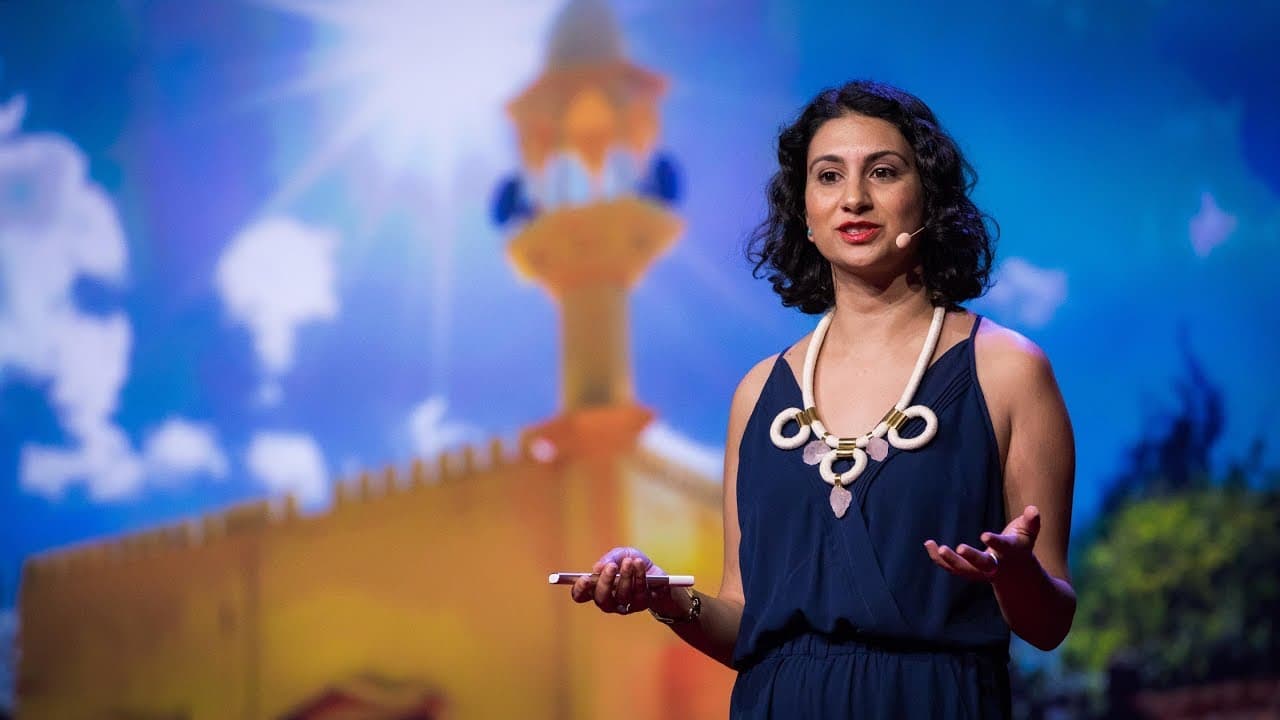
Explore how a group of individuals in Nairobi came together to combat fear and division by painting houses of worship yellow in an initiative called "Colour in Faith."
Transcript
We live in a time of fear, and our response to fear can either be to contract and attempt to guard ourselves or to extend ourselves, hold on to each other, and face our fears together. What is your instinct? What do you see more of in the world? The problem with the first approach is that in our mounting isolation, we divide ourselves from others. ... Read More
Key Insights
- 🌍 Our response to fear can either be to isolate ourselves or to come together. Engaging with others helps combat isolation and cultivate empathy.
- 💔 Divisions based on religion, race, and culture can lead to a lack of empathy and human connection. It's important to address and challenge these divisions.
- 🛣️ Physical spaces, such as houses of worship, play a crucial role in making us feel safe, connected, and like we belong.
- 🌆 Fear-driven approaches to security, such as more walls and barriers, can lead to an erosion of human connection.
- 🖌️ The "Colour in Faith" project aims to unite people of different faiths through painting each other's houses of worship yellow, symbolizing love and common beliefs.
- 🌍 Bringing communities together can be challenging, especially when prejudices and hierarchy exist, but the project has received support from various religious and civic leaders.
- 💡 The project aims to restore confidence in humanity, promote conversation and empathy, and build neighborhood solidarity.
- 🕊️ By standing in solidarity and sending a message of hope, we can combat fear and show that the human family can come together.
Install to Summarize YouTube Videos and Get Transcripts
Explore YouTube Video Summarizer or Get YouTube Transcript Extractor
Questions & Answers
Q: What is the speaker's instinct in response to fear?
The speaker's instinct is to extend themselves, hold on to each other, and face their fears together.
Q: What does the speaker see more of in the world?
The speaker sees more contraction and attempts to guard ourselves in response to fear in the world.
Q: What is the problem with the first approach of contracting and guarding ourselves?
The problem with this approach is that it leads to isolation, division, and a loss of empathy and human connection.
Q: What drove the speaker's career choices?
The speaker's deep concern about divisions and irrational divisions in society, particularly in relation to their own cultural and religious community, drove their career choices.
Q: What impact did the terrorist attacks have on the speaker's work?
The terrorist attacks, such as the bombings of the US embassies in Kenya and Tanzania and 9/11, led the speaker to work in insecure environments and study conflict resolution in the Middle East, Kenya, Pakistan, and Afghanistan.
Q: How is Nairobi changing in response to fear and terrorism?
Nairobi is experiencing an increase in walls, barriers, and security measures, which is leading to an erosion of human connection and deepening divisions along religious lines.
Q: What challenge did the speaker and a group of people in Nairobi articulate?
The group articulated three challenges: reclaiming the city from the narrative of terrorism, introducing a language beyond race, tribe or religion to bridge differences, and restoring empathy, conversation, and trust.
Q: What was the idea behind the project "Colour in Faith"?
The idea behind "Colour in Faith" was to unite people of different faiths by getting them to paint each other's houses of worship, symbolizing love and the common belief in kindness, generosity, and friendship. This would create islands of stability and networks of people that could withstand threats.
Summary & Key Takeaways
-
Our response to fear can either lead to isolation and division or to unity and solidarity.
-
The project "Colour in Faith" aims to reclaim the city from the narrative of terrorism, transcend religious differences, and restore empathy and trust through painting religious buildings yellow.
-
Despite challenges and fears, 25 houses of worship participated, spreading the message of peace and creating connections among different faiths. The project has garnered attention and support locally and internationally.
Read in Other Languages (beta)
Share This Summary 📚
Summarize YouTube Videos and Get Video Transcripts with 1-Click
Try YouTube Summary with ChatGPT & Claude or YouTube Transcript Generator
Explore More Summaries from TED 📚


Summarize YouTube Videos and Get Video Transcripts with 1-Click
Try YouTube Summary with ChatGPT & Claude or YouTube Transcript Generator