10. Against Creole Exceptionalism (3): Creole formation is language acquisition plus social factors
TL;DR
The way language is learned by both adults and children can lead to language change and formation of Creole.
Transcript
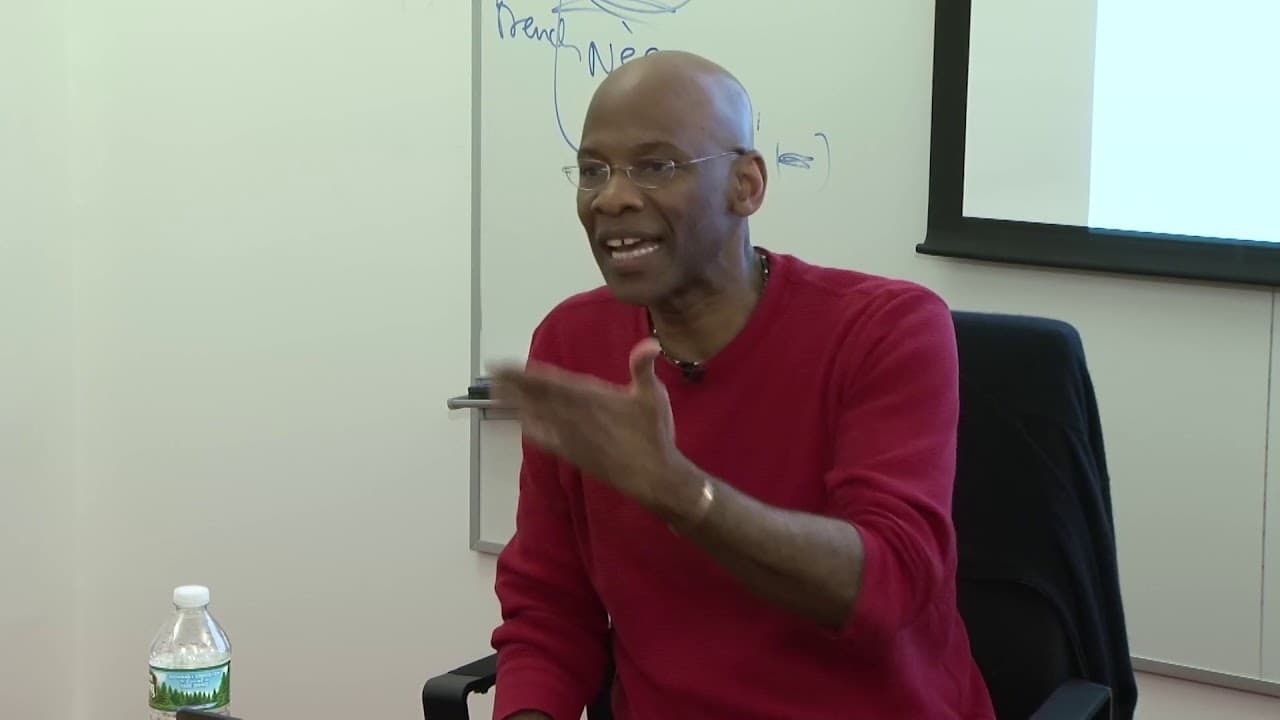
So what is Creole? And what I'd like to do is to look at, say, what happens in the history of learning French by adults and by children. We saw examples of that before. But what we find there, and this is actually a very robust fact, which is that when you have people learning French, often-- so in the case of, say, object pronouns, they do produce... Read More
Key Insights
- 💁 Language learners often overgeneralize certain language structures as they form hypotheses about language rules.
- 👶 Language change is a universal phenomenon observed in both adult and child language learning.
- 📽️ Language change can be influenced by societal pressures and the desire to project certain identities.
Install to Summarize YouTube Videos and Get Transcripts
Explore YouTube Video Summarizer or Get YouTube Transcript Extractor
Questions & Answers
Q: Why do language learners often overgeneralize certain language structures?
Language learners tend to overgeneralize certain language structures because they form hypotheses about language rules based on the patterns they observe. This overgeneralization is a natural part of the learning process as learners try to apply a dominant language structure to all similar elements.
Q: How does language change occur in adults learning a second language?
Adults learning a second language often drop or neglect certain grammatical markers or conjugations in the early stages of learning because they prioritize fluency over accuracy. This tendency is a universal phenomenon observed in the learning of various languages.
Q: Are language change and Creole formation the same thing?
Yes, according to Michel DeGraff, Creole formation is a type of language change. He argues that whatever theories and explanations apply to language change in general can also be applied to Creole formation, therefore, a separate theory for Creoles is not necessary.
Q: Can language change be influenced by societal pressures and identity?
Yes, societal pressures and identity can play a role in language change. People may use certain language patterns or forms to appear sophisticated or superior, leading to the development of new language patterns or variations.
Summary & Key Takeaways
-
When learning a language, learners often overgeneralize certain language structures, such as subject-verb-object order, leading to language change.
-
Language change is not unique to Creole formation and can be observed in various contexts of language learning by adults.
-
Both language learning by adults and children contribute to language change, and understanding this phenomenon can help explain Creole formation.
Read in Other Languages (beta)
Share This Summary 📚
Summarize YouTube Videos and Get Video Transcripts with 1-Click
Try YouTube Summary with ChatGPT & Claude or YouTube Transcript Generator
Explore More Summaries from MIT OpenCourseWare 📚



Summarize YouTube Videos and Get Video Transcripts with 1-Click
Try YouTube Summary with ChatGPT & Claude or YouTube Transcript Generator