Growing Crops With Just Electricity
TL;DR
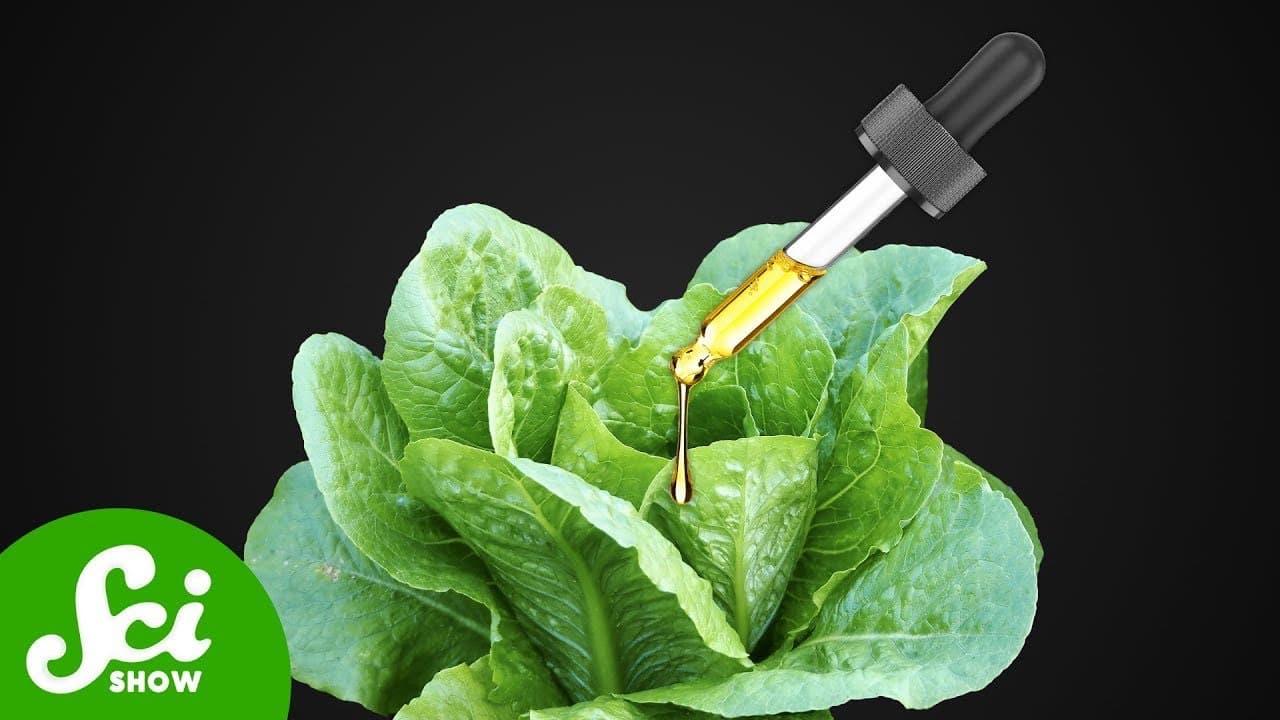
Scientists are developing a method to grow crops in total darkness by bypassing photosynthesis, using electricity to convert water and CO2 into nutrients for plants.
Transcript
Thanks to Linode Cloud Computing for supporting this episode of SciShow. You can go to linode.com/scishow to learn more and get a $100 60-day credit on a new Linode Account. [♪ INTRO] Now, some people might dream of getting the chance to live in a Martian colony. Others might find that a nightmare. But everyone’s probably worried about ... Read More
Key Insights
- 👻 Bypassing photosynthesis with electrocatalysis allows for efficient crop growth in total darkness.
- 😋 Acetate-enriched food provides essential nutrients for plants to grow without sunlight.
- ❓ Challenges such as nutrient optimization and genetic engineering remain for implementing this innovative method widely.
- 😋 The method could revolutionize food production for space colonization and indoor farming on Earth.
- 😋 Indoor farming could address food scarcity and sustainability issues amid climate change.
- 🐕🦺 Linode Cloud Computing provides secure online services for global connectivity, supporting scientific advancements like this innovative crop growth method.
- 👾 Future applications may include powering this method with alternative energy sources like nuclear fission for space colonization.
Install to Summarize YouTube Videos and Get Transcripts
Explore YouTube Video Summarizer or Get YouTube Transcript Extractor
Questions & Answers
Q: How are scientists attempting to grow crops in total darkness?
Scientists are using a process called electrocatalysis to provide plants with essential nutrients like acetate, produced from breaking down water and CO2 using electricity, bypassing the need for photosynthesis.
Q: What advantages does bypassing photosynthesis offer in crop growth?
By bypassing photosynthesis, plants can grow more efficiently in controlled environments with limited light, making it feasible for space colonization or indoor farming on Earth.
Q: How did researchers test the effectiveness of the electrocatalysis method?
Researchers successfully grew algae and yeast in total darkness using acetate-enriched food, with significant increases in growth compared to traditional photosynthesis methods.
Q: What challenges did the research team face in implementing this new method?
Challenges included optimizing nutrient concentrations for crop growth, with potential issues like stunted growth potentially caused by specific components of the acetate solution, suggesting further research is needed.
Summary & Key Takeaways
-
Scientists are exploring ways to grow crops in total darkness for space colonization.
-
By using electrocatalysis, electricity can provide essential nutrients for plant growth instead of relying on photosynthesis.
-
This innovative method could revolutionize food production in controlled environments.
Read in Other Languages (beta)
Share This Summary 📚
Summarize YouTube Videos and Get Video Transcripts with 1-Click
Try YouTube Summary with ChatGPT & Claude or YouTube Transcript Generator
Explore More Summaries from SciShow 📚


Summarize YouTube Videos and Get Video Transcripts with 1-Click
Try YouTube Summary with ChatGPT & Claude or YouTube Transcript Generator