Unlocking Kanji: Insights from Lesson 2 of Tobira
TL;DR
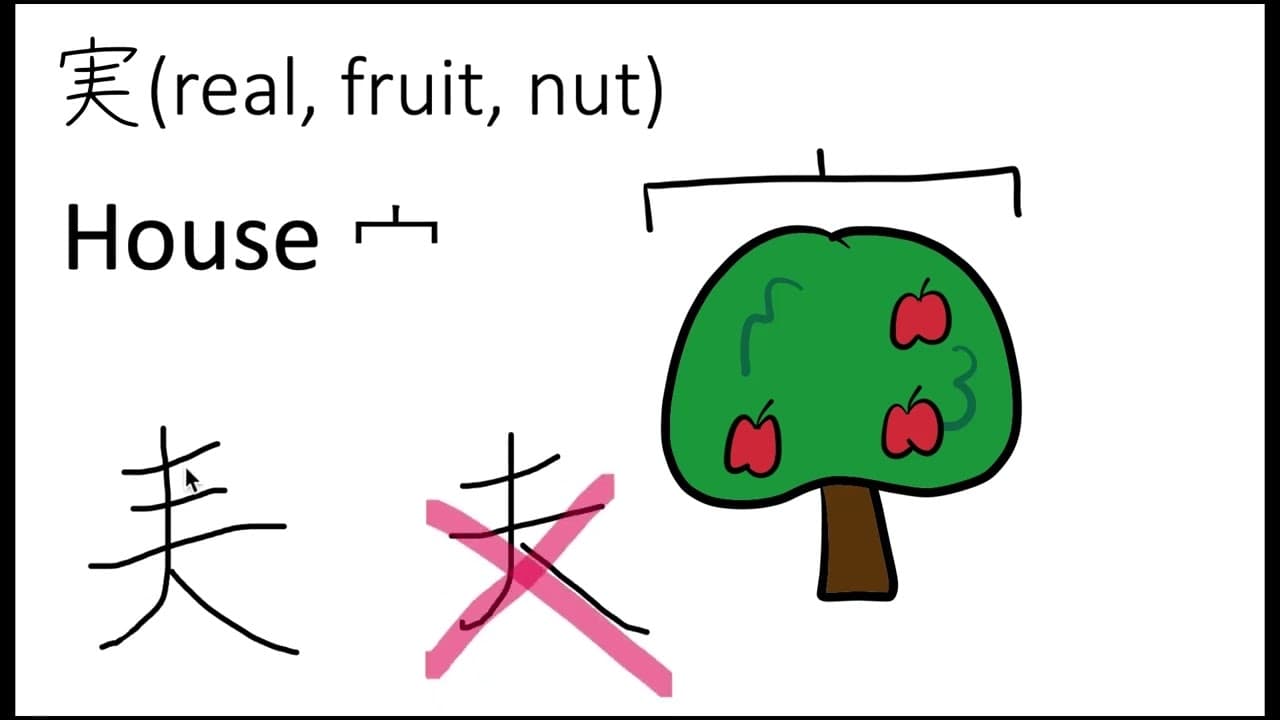
This video presents key insights into 16 Kanji characters, detailing their meanings, readings, and usage in context. Understanding radicals and pronunciations is essential for grasping their significance in the Japanese language. Learn how to apply these concepts and enhance your Kanji comprehension.
Transcript
Dewa, dainika no kanji no shoukai wo shimasu. Dainika de wa korera no jyuuroku no kanji wo shoukai shimasu. Mazu, saishou no kanji, ee kono kanji nandesukeredo mo, ee imi wa compare no imi ga arimasu. So you can imagine like two people sitting and comparing to each other. So kore compare desu. De, eeto yomikata nan desu keredomo, omyomi, kore wa hi... Read More
Key Insights
- ⚾ Kanji characters can have multiple meanings and readings based on context and usage.
- 🆘 Understanding the radicals and components of Kanji characters helps in deciphering their meanings.
- 😑 Onyomi and kunyomi readings are important in determining the pronunciation and usage of Kanji in words and expressions.
- ⚧️ Kanji characters are used to represent various concepts and emotions, such as nature, gender, and potentiality.
- 🔑 Kanji characters can be combined to create compound words with unique meanings.
- 😑 Different Kanji characters express feelings, sensations, and impressions.
- ❓ Kanji characters have associations with objects, professions, and cultural elements.
Install to Summarize YouTube Videos and Get Transcripts
Explore YouTube Video Summarizer or Get YouTube Transcript Extractor
Questions & Answers
Q: What is the significance of comparing Kanji characters to each other?
Comparing Kanji characters helps us understand the similarities and differences in their meanings and usage. For example, comparing the Kanji for America and Japan reveals cultural differences.
Q: How do the meanings of Kanji characters change when combined with other characters?
When combined with other characters, the meaning of a Kanji character can change. For example, the Kanji for electricity (電気) and money (お金) combine to make the words for electric bill and telephone bill.
Q: What are some common patterns of Kanji usage related to time and generations?
Kanji characters can be used to express different time periods, such as Reiwa era in Japan or the 70s and 80s. They can also represent the concept of generations, such as teenagers, twenties, and thirties.
Q: How is the concept of substitution expressed in Kanji characters?
The Kanji character for substitute (代) represents the idea of one thing taking the place of another. For example, using the Kanji for substitute, you can express phrases like "In place of Tanaka-sensei" or "Take turns."
Summary & Key Takeaways
-
This analysis provides an in-depth exploration of the meanings and readings of different Kanji characters.
-
It highlights the importance of understanding the context and usage of Kanji in various words and expressions.
-
The analysis covers the significance of radicals, onyomi and kunyomi readings, as well as common patterns and associations in Kanji usage.
Read in Other Languages (beta)
Share This Summary 📚
Summarize YouTube Videos and Get Video Transcripts with 1-Click
Try YouTube Summary with ChatGPT & Claude or YouTube Transcript Generator
Explore More Summaries from MIT OpenCourseWare 📚


Summarize YouTube Videos and Get Video Transcripts with 1-Click
Try YouTube Summary with ChatGPT & Claude or YouTube Transcript Generator