Hidden Meaning in Pixar’s UP – Earthling Cinema
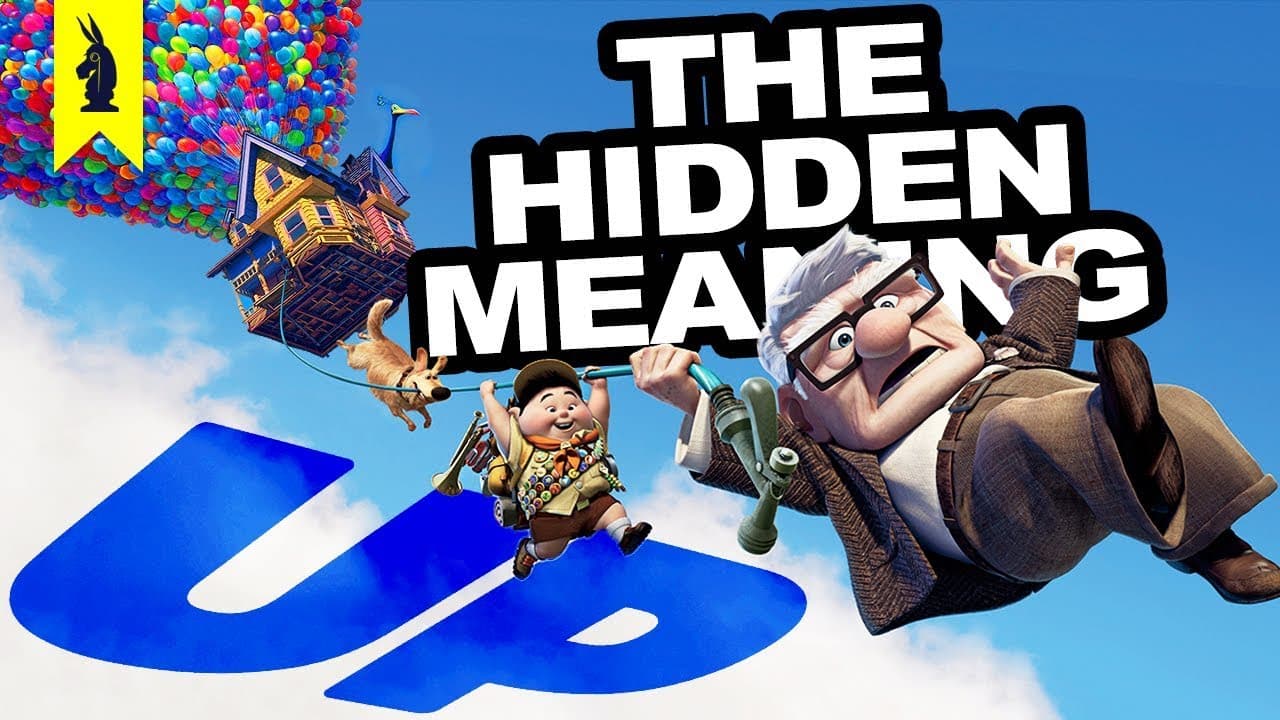
TL;DR
Analyzing "Up" through humor, nostalgia, and the journey of grief.
Transcript
Greetings, and welcome to Earthling Cinema. I am your host, Garyx Wormuloid. This week’s artifact is Up, the film that mandated the Pixar rule that adults should cry as much possible. The film follows human boy, Carl Marx, whose dream is control the means of production so he can go to Paradise Falls, New Jersey, just like his hero, Vladimir Lenin. ... Read More
Key Insights
- 😒 "Up" uses Carl's character to explore the struggle between holding onto the past and moving forward with life.
- 🏍️ The film humorously critiques societal norms, particularly capitalism and the cycle of consumerism.
- 💌 Carl's attachment to his house signifies his unresolved grief and inability to let go of Ellie.
- 🛟 The character of Russell represents the innocence of youth, juxtaposed with Carl’s skepticism about life and adventure.
- 👻 Humor in the analysis allows for a more approachable discussion of complex emotions and themes.
- 🎥 The film emphasizes that the mundane can be just as fulfilling as grand, adventurous pursuits.
- 🛀 The concept of nostalgia can be both comforting and limiting, as shown through Carl's journey.
Install to Summarize YouTube Videos and Get Transcripts
Explore YouTube Video Summarizer or Get YouTube Transcript Extractor
Questions & Answers
Q: How does the film "Up" convey the theme of nostalgia?
Nostalgia is a central theme in "Up," represented through Carl's attachment to his deceased wife, Ellie. He clings to their shared memories, which manifests as his reluctance to change and move on. The house symbolizes this attachment, and his journey forces him to confront his grief and eventually let go, illustrating the tension between honoring the past and embracing the present.
Q: In what ways does the character of Carl Marx represent the struggles of grief?
Carl embodies the struggles of grief by isolating himself and living in the past after Ellie’s death. His resentment towards change, illustrated by his fight against gentrification, highlights his desire to hold onto a life that has significantly changed. Through his interactions, especially with Russell and Kevin Bacon, Carl learns to redefine his purpose and ultimately finds a way to honor Ellie while also moving forward.
Q: What role does humor play in this analysis of "Up"?
Humor serves as a tool in the analysis to explore the film's deeper themes while keeping the audience engaged. The exaggerated portrayal of characters and events allows for a light-hearted critique of societal issues, such as capitalism and nostalgia. By framing serious subjects in a comedic context, the analysis emphasizes that these themes can be discussed without losing the film's emotional weight.
Q: How does the film illustrate the importance of friendship?
The film portrays the evolution of Carl's relationships, especially with Russell, demonstrating that genuine connections can help people cope with loss. Initially focused on his grief, Carl becomes more open to forming bonds, highlighting how friendship offers support and purpose. Their shared experiences show that life's simplest joys often come from the connections we make with others, reinforcing the value of companionship.
Summary & Key Takeaways
-
The analysis satirically discusses the plot of "Up," highlighting Carl's dream journey and his encounters with various characters, including a boy scout and Lenin.
-
It explores themes of nostalgia and grief, illustrating how Carl’s attachment to the past hinders his ability to embrace new relationships and experiences.
-
The concluding insights emphasize the significance of simple pleasures over grand adventures, reflecting on Carl's personal growth and transformation through relationships.
Read in Other Languages (beta)
Share This Summary 📚
Summarize YouTube Videos and Get Video Transcripts with 1-Click
Try YouTube Summary with ChatGPT & Claude or YouTube Transcript Generator