What Were the Most Unethical Psychology Experiments?
TL;DR
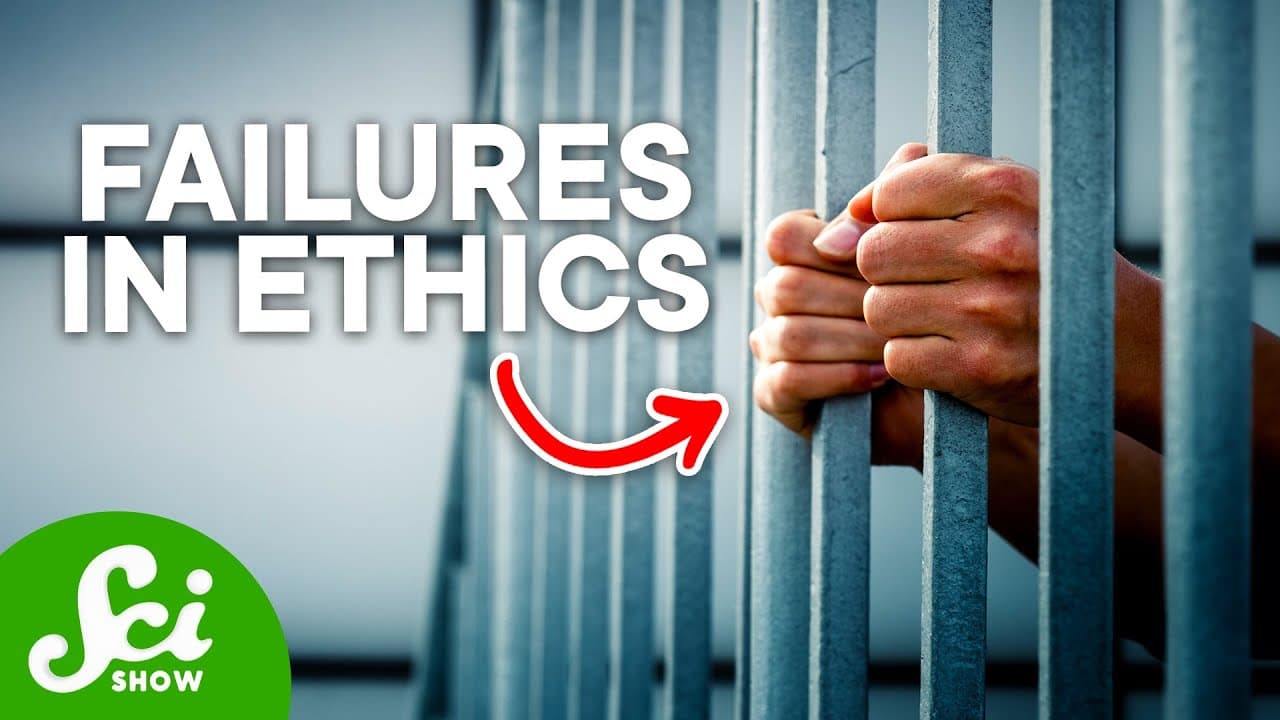
Several notorious psychology experiments are now considered unethical due to their harmful methods. For instance, Watson's conditioning of baby Albert and the Monster Study inflicted psychological harm, violating principles of informed consent and beneficence. The Milgram Experiment and Stanford Prison Experiment further exemplify the importance of ethical standards established by the Belmont Report in protecting research subjects.
Transcript
Studying the human mind is a tricky business. There’s still so much we don’t know, and so many questions scientists are looking to answer. But when researchers are working with human subjects, they have to balance getting answers with protecting their subjects. In the past, they haven’t always been good about taking care of the fellow human beings ... Read More
Key Insights
- 🤩 The Belmont Report established key ethical principles for human research, including informed consent and avoiding harm.
- 👶 Historical psychology experiments, like Watson's baby Albert study and the Monster Study, violated ethical standards by causing harm to participants.
- 👨🔬 Studies like the Milgram Experiment and the Stanford Prison Experiment highlighted the importance of ethical considerations in psychological research.
- 👨🔬 Research standards and ethical guidelines continue to evolve to prioritize the well-being and rights of research participants.
- 🥺 Psychology's dark past has led to a greater emphasis on protecting subjects and ensuring ethical conduct in research.
- 👨🔬 The development of ethical standards like those in the Belmont Report has shaped modern psychology research practices.
- 🦺 Ethical dilemmas in psychology experiments have prompted increased focus on participant safety and informed consent.
Install to Summarize YouTube Videos and Get Transcripts
Explore YouTube Video Summarizer or Get YouTube Transcript Extractor
Questions & Answers
Q: What are the three key ethical principles outlined in the Belmont Report?
The three key ethical principles in the Belmont Report are respect for persons, beneficence, and justice. Respect for persons involves obtaining informed consent from subjects, while beneficence emphasizes avoiding harm and justice focuses on fairly distributing burdens and benefits.
Q: What were some ethical issues with John Watson's conditioning study on baby Albert?
John Watson's study on baby Albert lacked controls, used a single subject, and did not obtain informed consent from the infant's mother. Additionally, Albert was not reconditioned after the study, violating ethical principles.
Q: How did the Monster Study violate ethical standards?
The Monster Study conducted by Wendell Johnson and Mary Tudor involved giving misleading positive and negative feedback to children, causing psychological harm. The study lacked informed consent, debriefing, and follow-up, violating ethical principles.
Q: What were the consequences of the Stanford Prison Experiment?
The Stanford Prison Experiment led to abusive behavior by guards and psychological distress among prisoners. The study had to be terminated early and raised ethical concerns about harm to participants and lack of researcher impartiality.
Summary & Key Takeaways
-
Ethical standards in psychology research have evolved over time, with the Belmont Report establishing key principles like informed consent, beneficence, and justice.
-
Early psychology experiments, like Watson's conditioning of a baby named Albert and the Monster Study, violated ethical principles by causing harm to participants.
-
Studies like the Milgram Experiment and the Stanford Prison Experiment further highlight the importance of ethical considerations in psychological research.
Read in Other Languages (beta)
Share This Summary 📚
Summarize YouTube Videos and Get Video Transcripts with 1-Click
Try YouTube Summary with ChatGPT & Claude or YouTube Transcript Generator
Explore More Summaries from SciShow 📚
Summarize YouTube Videos and Get Video Transcripts with 1-Click
Try YouTube Summary with ChatGPT & Claude or YouTube Transcript Generator