Cancer Prevention & Treatment : Stages of Cancer
TL;DR
Cancer cells evolve over time, progressing from normal to malignant, with staging indicating the extent of spread.
Transcript
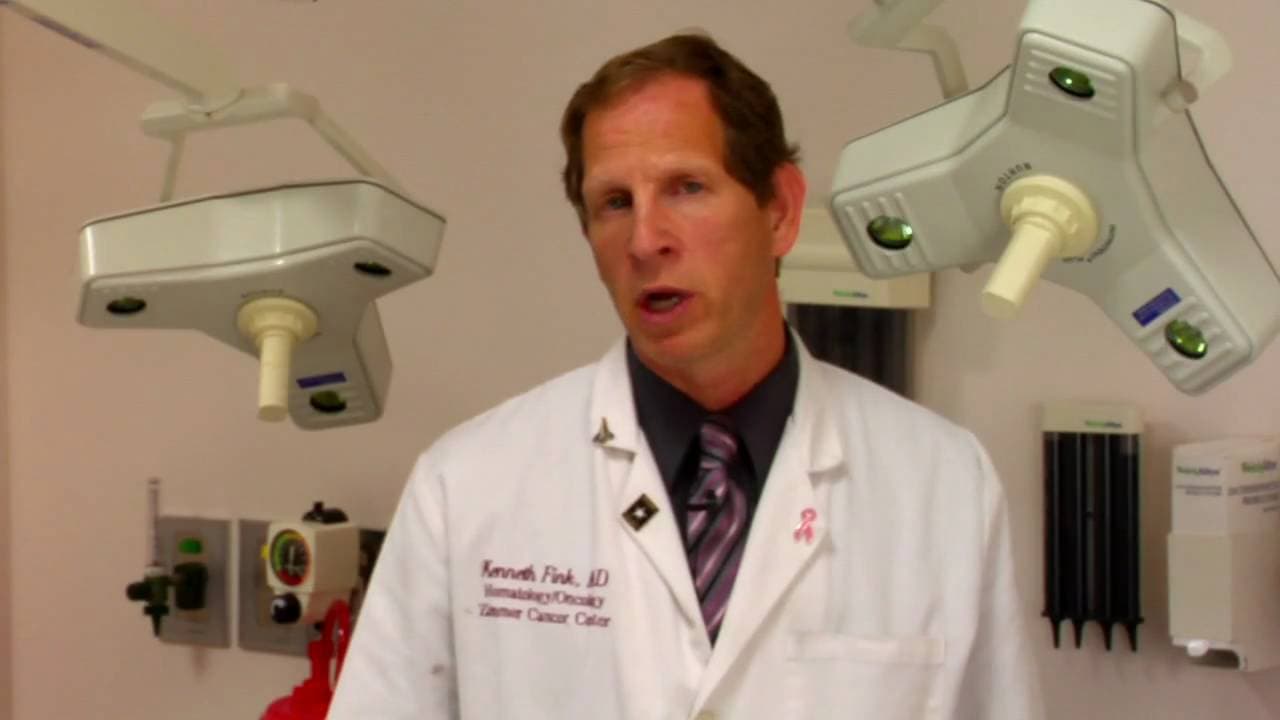
hi I'm dr. Kenneth bank I'm a medical oncologist at Zimmer Cancer Center in New Hanover Regional Medical Center in Wilmington North Carolina stages of cancer is an interesting topic people and even some doctors don't quite understand how cancers go through the stage is how they get started and how they can become so advanced the best we can tell ca... Read More
Key Insights
- ⌛ Cancer cells undergo mutations over time, progressing from normal to malignant.
- ⚾ Staging categorizes cancer into localized (stage 1) or advanced (stage 4) based on spread.
- ♋ Cancer cells can spread to lymph nodes or distant organs, changing the stage.
- ♋ Stage 4 cancer indicates cancer spread to other parts of the body.
- 🦮 Understanding cancer stages guides treatment decisions for oncologists.
- ☠️ Staging helps determine the prognosis and survival rate for cancer patients.
- ♋ Early-stage cancer (stage 1) has better treatment outcomes compared to late-stage (stage 4) cancer.
Install to Summarize YouTube Videos and Get Transcripts
Explore YouTube Video Summarizer or Get YouTube Transcript Extractor
Questions & Answers
Q: How do cancer cells evolve over time?
Cancer cells start as normal cells, undergoing mutations that lead to malignancy over many years, forming a primary tumor that can spread.
Q: What does cancer staging indicate?
Cancer staging shows the extent of cancer spread, from stage 1 (localized) to stage 4 (spread to other areas), guiding treatment decisions.
Q: Can cancer be staged accurately at the start?
Cancer may progress through stages over time; a patient initially diagnosed at stage 1 may later develop stage 4 cancer as it spreads.
Q: Why is understanding cancer stages important for treatment?
Knowing the stage helps doctors determine the best treatment plan, as it guides decisions on surgery, chemotherapy, radiation, and other therapies.
Summary & Key Takeaways
-
Cancer cells undergo mutations over years, progressing from normal to abnormal to malignant.
-
Staging categorizes cancer based on spread and severity.
-
Stage 1 is localized, while stage 4 indicates cancer spread to other parts of the body.
Read in Other Languages (beta)
Share This Summary 📚
Summarize YouTube Videos and Get Video Transcripts with 1-Click
Try YouTube Summary with ChatGPT & Claude or YouTube Transcript Generator
Explore More Summaries from ehow 📚

Summarize YouTube Videos and Get Video Transcripts with 1-Click
Try YouTube Summary with ChatGPT & Claude or YouTube Transcript Generator