How Can Animals Drink Water From Dirty Ponds And Not Get Sick?
TL;DR
Animals can thrive on contaminated water due to their repeated exposure, developing tolerance and resistance to pathogens that would make humans sick.
Transcript
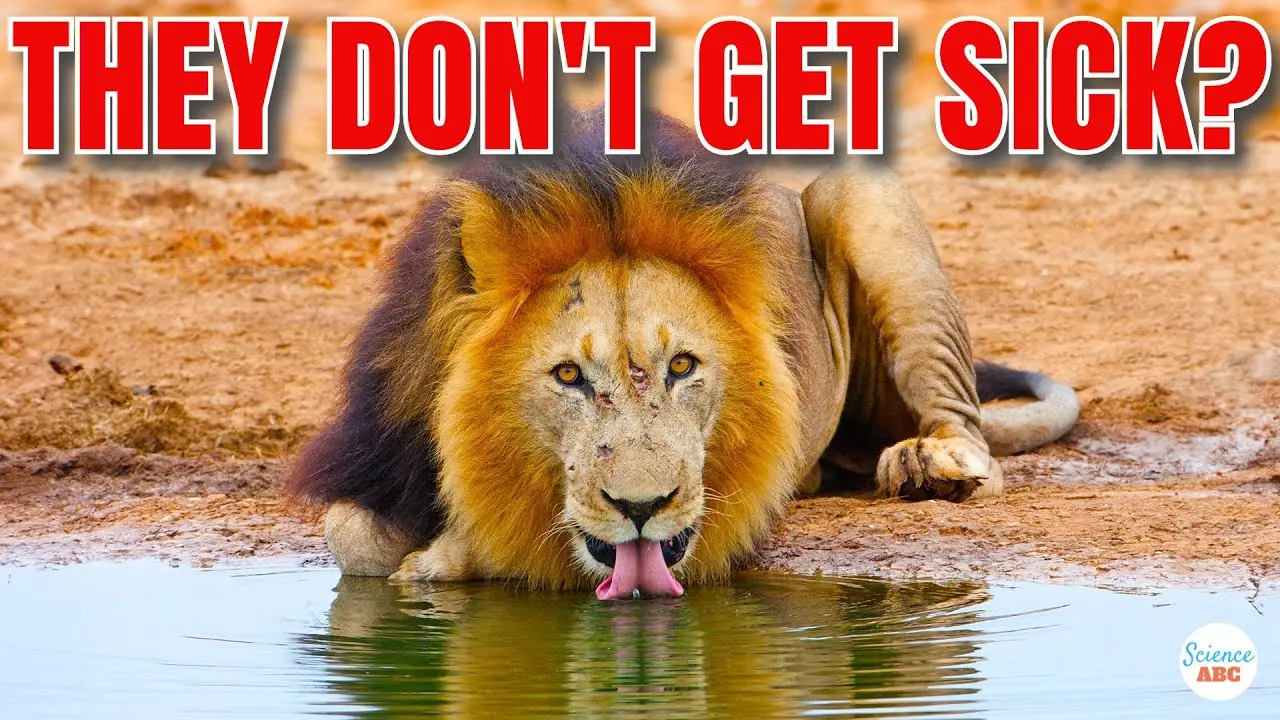
Watching a wild animal quenching its thirst from a murky pond or stagnant lake might raise concerns about the water's cleanliness. After all, drinking such visibly dirty water seems like a health risk for these animals. However, wild beasts not only survive but thrive by consuming water from natural sources that humans would typically a... Read More
Key Insights
- 💦 Animals in the wild survive and thrive by consuming water from natural sources that may appear dirty or contaminated to humans.
- 👻 Repeated exposure to harmful microorganisms in their local water sources allows animals to develop a tolerance and resistance to pathogens.
- 💦 Drinking contaminated water is not always harmful to animals, as many waterborne pathogens aren't lethal to species adapted to their presence.
- 💦 Animals that can tolerate dirtier water pass down advantageous genetic traits, making successive generations more resilient to their environment.
- 💱 Outbreaks of waterborne illnesses can still occur in wildlife, especially during sudden environmental changes.
- ☀️ Animals' ability to survive in the wild requires adaptation to various challenges, including exposure to microorganisms and fluctuations in weather and nutrition.
- ♻️ Animals' deep attunement to their local environment and its rhythms is crucial for their survival.
Install to Summarize YouTube Videos and Get Transcripts
Explore YouTube Video Summarizer or Get YouTube Transcript Extractor
Questions & Answers
Q: How do animals in the wild drink contaminated water without getting sick?
Animals develop a tolerance for harmful microorganisms in their local water sources through repeated exposure. Their immune systems learn to identify and respond effectively to specific germs, acting as a form of inoculation.
Q: Can drinking contaminated water make wildlife sick?
While animals may still get sick if there are significant changes in water quality, on a day-to-day basis, their defenses adjust to the familiar array of microorganisms present in their native water sources, preventing illness.
Q: Are all natural water bodies breeding grounds for contagion?
No, some pristine streams and lakes have minimal biological contamination. Contrary to appearances, many wilderness water sources contain fewer microorganisms than expected.
Q: Do animals pass down their tolerance for contaminated water to their offspring?
Yes, animals that can tolerate dirtier water pass down advantageous genetic traits to their offspring, making successive generations even more resilient to the challenges posed by their local environment.
Summary & Key Takeaways
-
Animals in the wild are able to drink water from natural sources that humans would typically avoid, even if the water appears dirty or contaminated.
-
Many species develop a tolerance for harmful microorganisms in their local water sources through repeated exposure, allowing their immune systems to effectively respond to specific germs.
-
While animals may still get sick if there are significant changes in water quality, their defenses adjust to the familiar array of microorganisms present in their native water sources.
Read in Other Languages (beta)
Share This Summary 📚
Summarize YouTube Videos and Get Video Transcripts with 1-Click
Try YouTube Summary with ChatGPT & Claude or YouTube Transcript Generator