Google Ecosystem Vs Samsung Ecosystem! (Comparison) (Review)
TL;DR
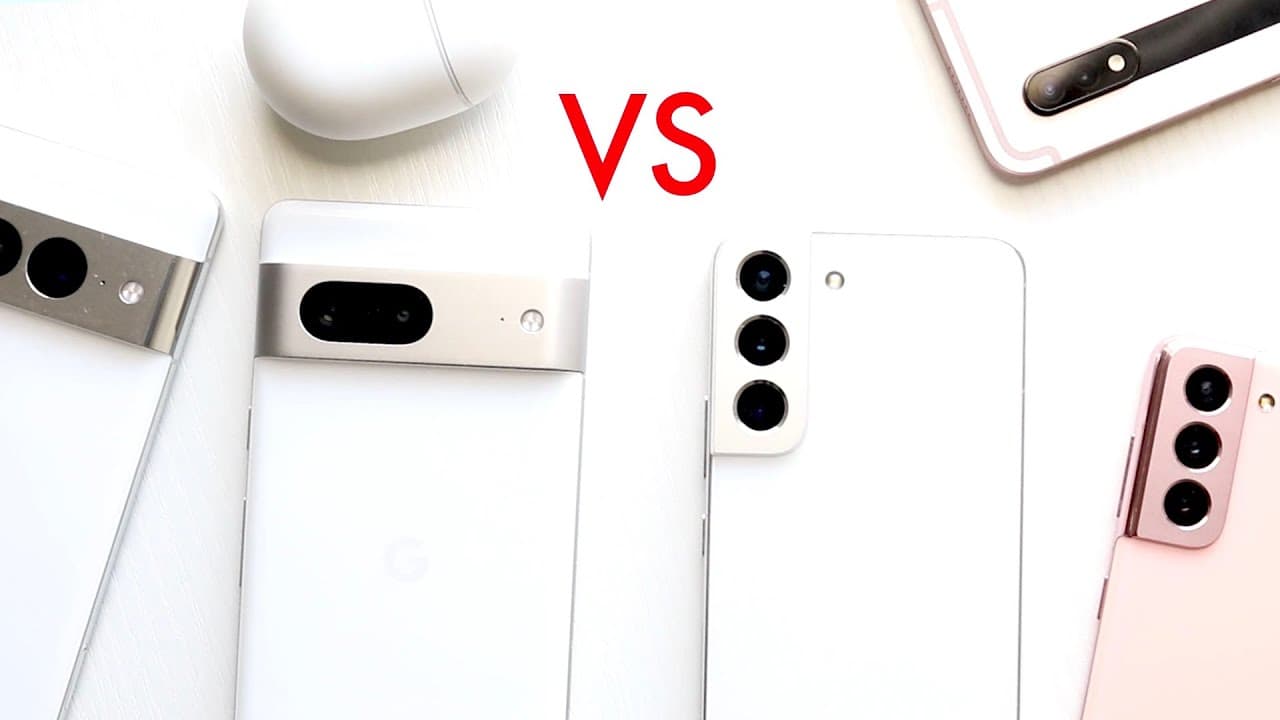
Google and Samsung ecosystems show major overlaps but differ in hardware selection and software features.
Transcript
well everyone I've kind of made some videos about comparing the Apple ecosystem and Samsung and Google versus Apple but now let's go ahead and take a look at the Google ecosystem and compare it against the Samsung ecosystem now what does this mean well at their core they're both Android phones and there are so many overlapping features there's way ... Read More
Key Insights
- 🫚 There is a significant overlap in features between Google and Samsung ecosystems, largely because both are rooted in the Android operating system.
- 🧡 Samsung provides a broader range of devices and models, including budget-friendly options, compared to Google's limited selection of Pixel devices.
- 🪛 The software experience on Samsung devices, driven by One UI, includes custom features and enhanced applications, offering more than the stock Android experience.
- 😶🌫️ Google excels in seamless integration with its suite of services, appealing to users who prioritize cloud storage and productivity applications.
- 🉐 Samsung's extensive experience with smartwatches gives it a competitive advantage in smartwatch functionality and paired device synergy.
- 😫 The ongoing evolution of both ecosystems suggests that competition will drive improvements, particularly in user experience and feature sets in the coming years.
- 💦 Future advancements may see Samsung exploring independent operating systems while Google works to enhance its product integrations across its existing lineup.
Install to Summarize YouTube Videos and Get Transcripts
Explore YouTube Video Summarizer or Get YouTube Transcript Extractor
Questions & Answers
Q: What are the main similarities between Google's and Samsung's ecosystems?
Both ecosystems primarily run on Android, offering similar core features such as connectivity and app availability. Additionally, both brands provide compatible accessories, like smartwatches and headphones, enhancing their overall usability across devices. Users can find functionalities like notifications and media controls that operate similarly irrespective of the chosen brand, making either option a viable choice for Android enthusiasts.
Q: How does the hardware selection vary between Google and Samsung?
Samsung offers a wide range of devices including multiple flagship models (S Series) and a comprehensive budget lineup (A Series), allowing more customization for consumers. In contrast, Google's hardware selection is limited, with the Pixel line as the main offering and a few budget options. Users seeking variety and specific features may prefer Samsung for its extensive device portfolio.
Q: Which ecosystem has a better software experience?
Samsung’s One UI provides a more customized software experience with additional features not found in Google's stock Android, such as unique applications and an enhanced camera interface. While both integrations work smoothly, Samsung’s offerings are generally considered more feature-rich, thereby attracting users seeking a diversified software ecosystem compared to Google's streamlined approach.
Q: What are some key integrations unique to the Google ecosystem?
Google ecosystem uniquely benefits from seamless integration with Google services like Google Drive, Google Photos, and Google Docs. Pixel devices often come with perks like free Google Photos storage, making it easier for users to manage files and media. This smooth interconnection can be a significant draw for users heavily reliant on Google's suite of applications.
Q: How does the tablet offering compare between the two brands?
Samsung has a well-established line of Galaxy Tablets, recognized for their quality and performance, with multiple models across various price points. Google, having temporarily exited the tablet market, is set to reintroduce devices like the Pixel Tablet. While Samsung currently has the edge in performance and options, Google's return could shift the landscape, contingent on how their devices are received.
Q: What future developments are anticipated for both ecosystems?
Looking ahead, both Google and Samsung are expected to refine their technologies and expand their ecosystems. Samsung, in particular, could potentially explore developing its own operating system, given its large market presence, while Google is likely to continue enhancing its integrations with existing services. The upcoming years may bring significant changes as both brands innovate based on consumer feedback and market demands.
Q: Are there any particular advantages of choosing Samsung over Google?
Choosing Samsung offers several advantages, such as a wider range of hardware options and customizable features through One UI. Samsung's long history with smartwatches, ample budget models, and diverse accessories provide an enriched ecosystem experience. For users wanting a more robust hardware selection and varied feature set, Samsung stands out as a compelling option.
Summary & Key Takeaways
-
The video discusses the similarities and differences between the Google and Samsung ecosystems, highlighting that both offer Android phones with a significant overlap in features.
-
Samsung stands out in terms of hardware variety with multiple flagship models, including budget options, while Google primarily has the Pixel series and a limited budget line.
-
Software integration is a strong point for both ecosystems; however, Samsung's One UI offers more customization and unique applications compared to Google's stock Android experience.
Read in Other Languages (beta)
Share This Summary 📚
Summarize YouTube Videos and Get Video Transcripts with 1-Click
Try YouTube Summary with ChatGPT & Claude or YouTube Transcript Generator
Explore More Summaries from Simple Alpaca 📚



Summarize YouTube Videos and Get Video Transcripts with 1-Click
Try YouTube Summary with ChatGPT & Claude or YouTube Transcript Generator