Living and Working in Space: Advanced Food Tech
TL;DR
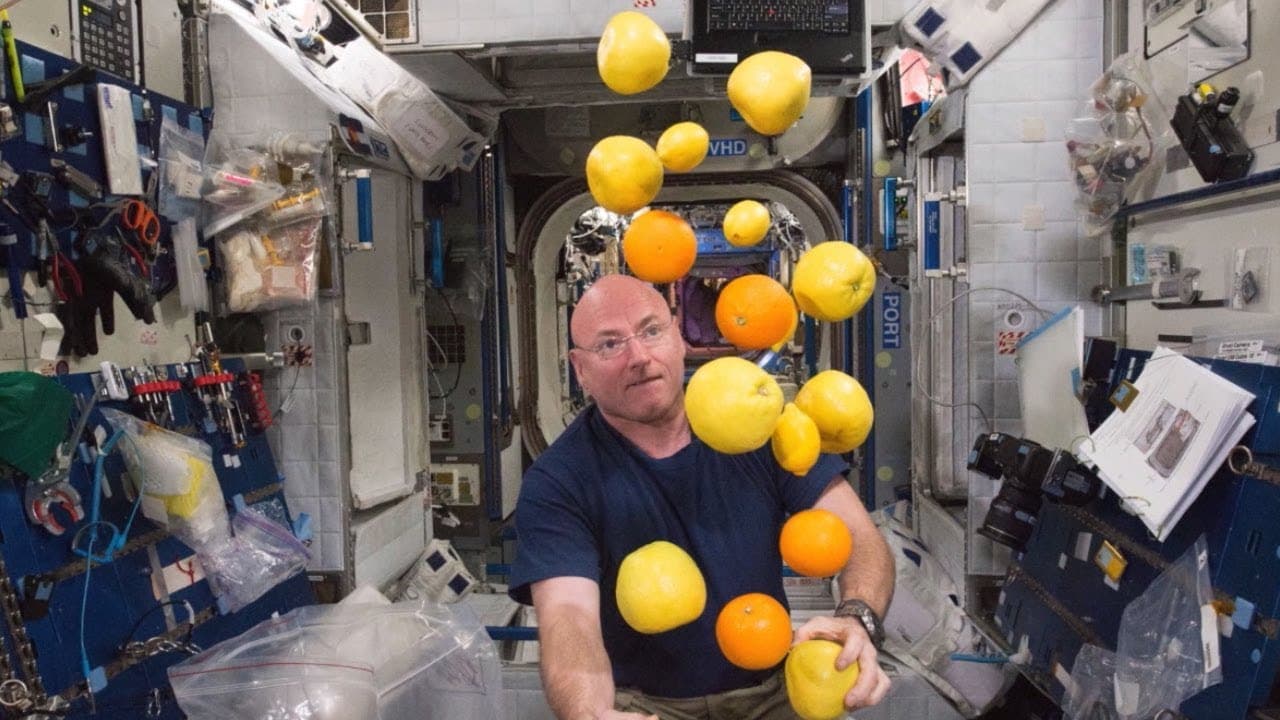
NASA faces the challenge of providing long-lasting and delicious food options for astronauts on long-duration space missions, like those to Mars.
Transcript
- There's no refrigerator on the International Space Station. The food all has to be shelf stable, at room temperature. And the reason there's no refrigeration is because there's limited resources on the International Space Station. And this is also going to be true on a mission to Mars. Keeping foods stable for five years is a difficult challenge ... Read More
Key Insights
- 😋 Limited resources and the absence of refrigeration make shelf-stable food essential for space missions.
- 👅 Maintaining nutrition and taste over an extended period presents a significant challenge for long-duration missions like those to Mars.
- 😋 Pre-deployed food systems may be necessary for astronauts on Mars missions due to limited resupply opportunities.
- 👾 Taste perception in space is affected by factors like body fluid shift and the behavior of aromas without gravity.
- 😋 NASA is researching new technologies and preservation methods to extend the shelf life of space food.
- 💦 Water removal from food saves weight and cost during launch, and water recycling is vital for space missions.
- 🥫 The taste of most existing canned food options may not remain palatable for five years.
Install to Summarize YouTube Videos and Get Transcripts
Explore YouTube Video Summarizer or Get YouTube Transcript Extractor
Questions & Answers
Q: Why is there no refrigerator on the International Space Station?
Limited resources on the space station, as well as anticipated limitations on a mission to Mars, make refrigeration impractical. All food needs to be shelf-stable.
Q: How is NASA addressing the challenge of providing food that can last five years without compromising nutrition and taste?
NASA is exploring various technologies and countermeasures to extend the shelf life of food. This may involve a combination of new production methods and preservation technologies.
Q: What factors contribute to changes in taste perception in space?
Factors like fluid shift in the body and the different behavior of aromas in microgravity can affect taste perception. Without gravity, aromas don't rise, impacting the overall flavor experience.
Q: How does NASA ensure that the food sent to space tastes like real food?
The food sent to space is cooked and prepared on Earth, with water removed to reduce weight. When water is added back in space, the food tastes as expected. Water recycling is also crucial for long-duration missions.
Summary & Key Takeaways
-
The International Space Station and future Mars missions require shelf-stable food due to limited resources, and refrigeration is not available.
-
The food needs to be stable in terms of nutrition and taste for an extended period, which is challenging.
-
Astronauts on Mars missions may have to rely on pre-deployed food systems since resupply missions might not be possible.
Read in Other Languages (beta)
Share This Summary 📚
Summarize YouTube Videos and Get Video Transcripts with 1-Click
Try YouTube Summary with ChatGPT & Claude or YouTube Transcript Generator
Explore More Summaries from NASA 📚
Summarize YouTube Videos and Get Video Transcripts with 1-Click
Try YouTube Summary with ChatGPT & Claude or YouTube Transcript Generator