TN v. Joseph Ray Daniels Murder Trial Day 8 - Jury Instructions
TL;DR
Detailed legal instructions for jury members on various charges and definitions in a criminal case.
Transcript
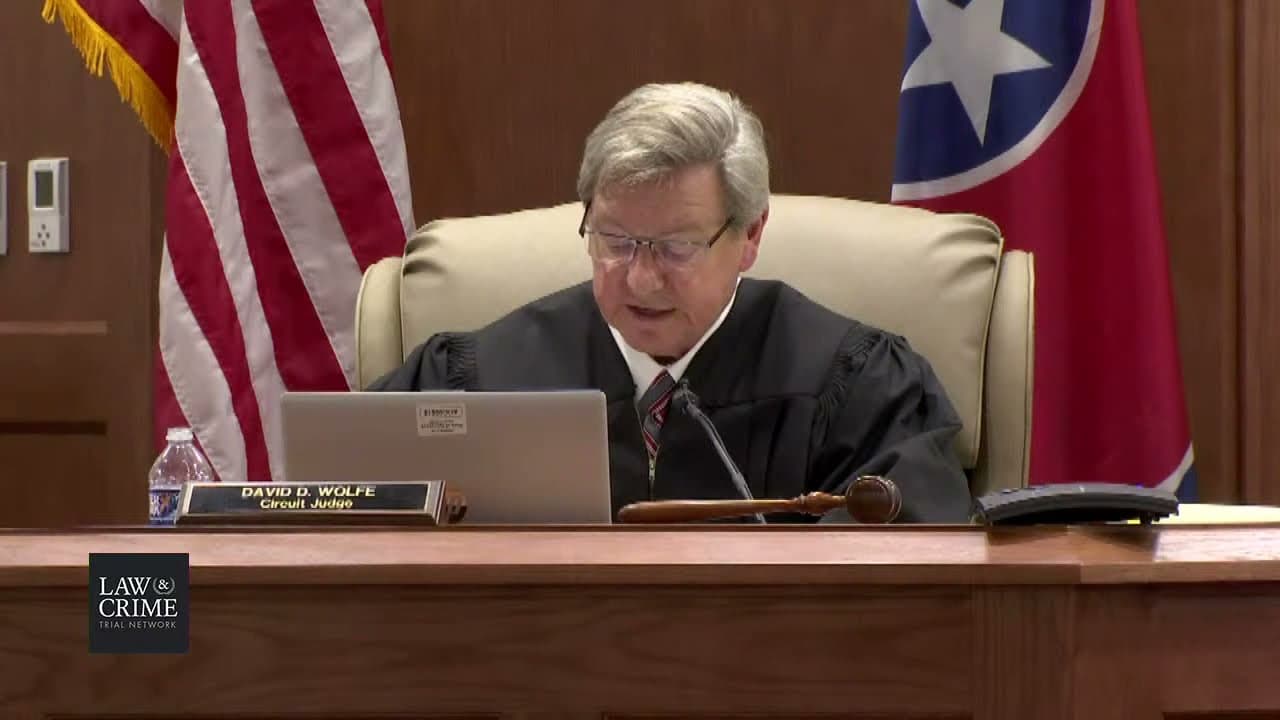
looking for my coffee hmm mr turnbull are we waiting on general crouch or are you ready to proceed i could probably handle the dream instructions are you sure and i don't want to put any pressure on you unnecessarily so all right let me uh officer cox if i can get you to assist me this is the jury's copy of the charge if you'll hand them each one o... Read More
Key Insights
- 👶 Legal instructions cover multiple charges of first-degree murder, child abuse, tampering with evidence, and more.
- 🍉 Definitions of legal terms like premeditation, knowing, intentional, reckless, and criminal negligence are outlined for the jury's understanding.
- 🦮 Jury members are guided on deliberations, the importance of unanimity, and the distinction between direct and circumstantial evidence.
- 😑 Expert witness testimony, confession evidence, and the significance of distinguishing between charges and lesser included offenses are highlighted.
Install to Summarize YouTube Videos and Get Transcripts
Explore YouTube Video Summarizer or Get YouTube Transcript Extractor
Questions & Answers
Q: What is the significance of distinguishing between direct evidence and circumstantial evidence in the court's instructions to the jury?
Distinguishing between direct and circumstantial evidence helps the jury understand different types of proof and how to weigh them when determining guilt or innocence. Direct evidence provides firsthand accounts, while circumstantial evidence relies on inferences from surrounding circumstances.
Q: How does the court explain the concept of expert witnesses to the jury? Why are expert opinions important in a legal trial?
Expert witnesses offer specialized knowledge to assist the jury in understanding complex evidence. Their expertise enhances the jury's comprehension, especially in cases where scientific or technical information is crucial.
Q: What instructions are given to the jury regarding the defendant's decision not to testify? How does this impact the jury's deliberations?
The court emphasizes that the defendant's choice not to testify should not be considered as an indication of guilt. Jurors must base their decision solely on the evidence presented, without drawing any inference from the defendant's decision not to take the stand.
Q: Why are verdicts required to be unanimous in a criminal trial? How does the court ensure that the jury reaches a fair and impartial decision?
Unanimous verdicts ensure a collective judgment that reflects the jury's careful consideration of the evidence and adherence to legal principles. Deliberations encourage thoughtful discussions, allowing jurors to weigh all evidence and reach a fair and impartial decision collectively.
Summary & Key Takeaways
-
Detailed instructions for jury members in a criminal case involving multiple charges and lesser included offenses.
-
Definitions and distinctions are provided for terms like premeditation, recklessness, voluntary manslaughter, and child abuse.
-
The jury is guided on how to deliberate, reach a unanimous verdict, and adhere to the legal principles throughout the trial.
Read in Other Languages (beta)
Share This Summary 📚
Summarize YouTube Videos and Get Video Transcripts with 1-Click
Try YouTube Summary with ChatGPT & Claude or YouTube Transcript Generator
Explore More Summaries from Law&Crime Network 📚






Summarize YouTube Videos and Get Video Transcripts with 1-Click
Try YouTube Summary with ChatGPT & Claude or YouTube Transcript Generator