Why Do These Animals Get Tied Up in Knots?
TL;DR
Animals from rats to eels tie themselves in knots for survival and predation, showcasing unique adaptations.
Transcript
Thanks to Bespoke Post for sponsoring this SciShow video! You can head to bespokepost.com/scishow20 and use the code SCISHOW20 to grab your “box of awesome” and get 20% off your first box. [♪ INTRO] The rat king is a creature right out of a horror story: a bunch of rats that accidentally get tied together at the tail, and are unable to escape. An... Read More
Key Insights
- 😉 Rat kings, though shrouded in mystery, have been described for centuries.
- 🪱 C. elegans worms can form deadly worm stars when infected by bacteria, demonstrating a unique phenomenon.
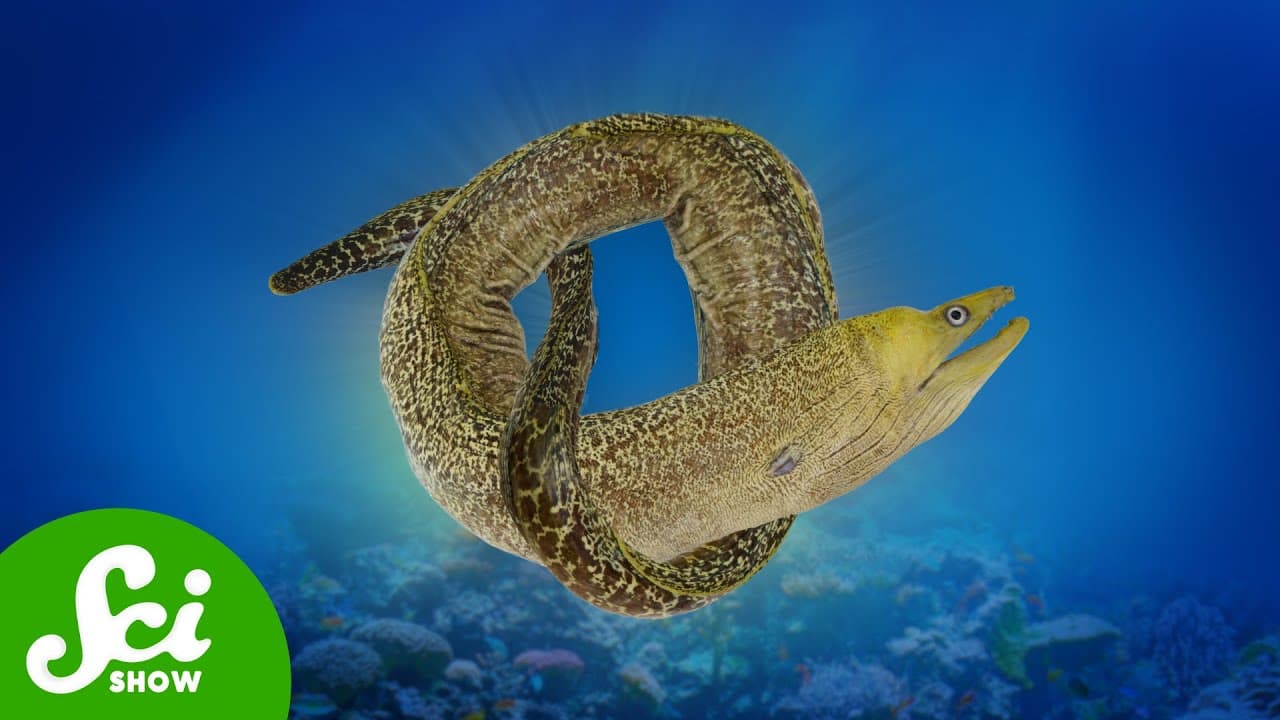
- 🧎 Eels tie knots for both predator evasion and prey capture, displaying their versatile hunting strategies.
- 😋 Hagfish use knots to push against food without jaws, showcasing their unique feeding mechanism.
- 🐍 Snakes, when disoriented or stressed, tie themselves in knots, showcasing unusual behaviors.
- 🪢 Animals have evolved unique knot-tying abilities for various survival and predation purposes.
- 🧑🏭 Microgravity environments can cause snakes to tie themselves in knots, highlighting the impact of environmental factors on animal behavior.
Install to Summarize YouTube Videos and Get Transcripts
Explore YouTube Video Summarizer or Get YouTube Transcript Extractor
Questions & Answers
Q: What is a rat king, and are they real?
Rat kings are a group of rats tied together at the tail, with their existence in history remaining mysterious, with doubts on their authenticity.
Q: How do C. elegans worms form worm stars, and why is it fatal?
C. elegans worms form worm stars when infected by bacteria, which break down their tissues, leading to a potentially deadly outcome.
Q: Why do eels tie themselves in knots, and how do they use them for hunting?
Eels tie knots along their bodies to avoid predators and for leverage when capturing prey, showcasing their unique evolutionary adaptations.
Q: How do hagfish utilize knots for feeding, and what is unique about their body structure?
Hagfish use knots to push against food when scavenging, showcasing their flexible body structure without vertebrae, aiding in survival.
Summary & Key Takeaways
-
Rat kings, a bunch of rats tied together at the tail, have a mysterious existence in history.
-
Worm stars, formed by C. elegans worms infected with bacteria, show a deadly knot phenomenon.
-
Eels and hagfish use body knots for both predator evasion and prey consumption, displaying unique evolutionary adaptations.
Read in Other Languages (beta)
Share This Summary 📚
Summarize YouTube Videos and Get Video Transcripts with 1-Click
Try YouTube Summary with ChatGPT & Claude or YouTube Transcript Generator
Explore More Summaries from SciShow 📚


Summarize YouTube Videos and Get Video Transcripts with 1-Click
Try YouTube Summary with ChatGPT & Claude or YouTube Transcript Generator