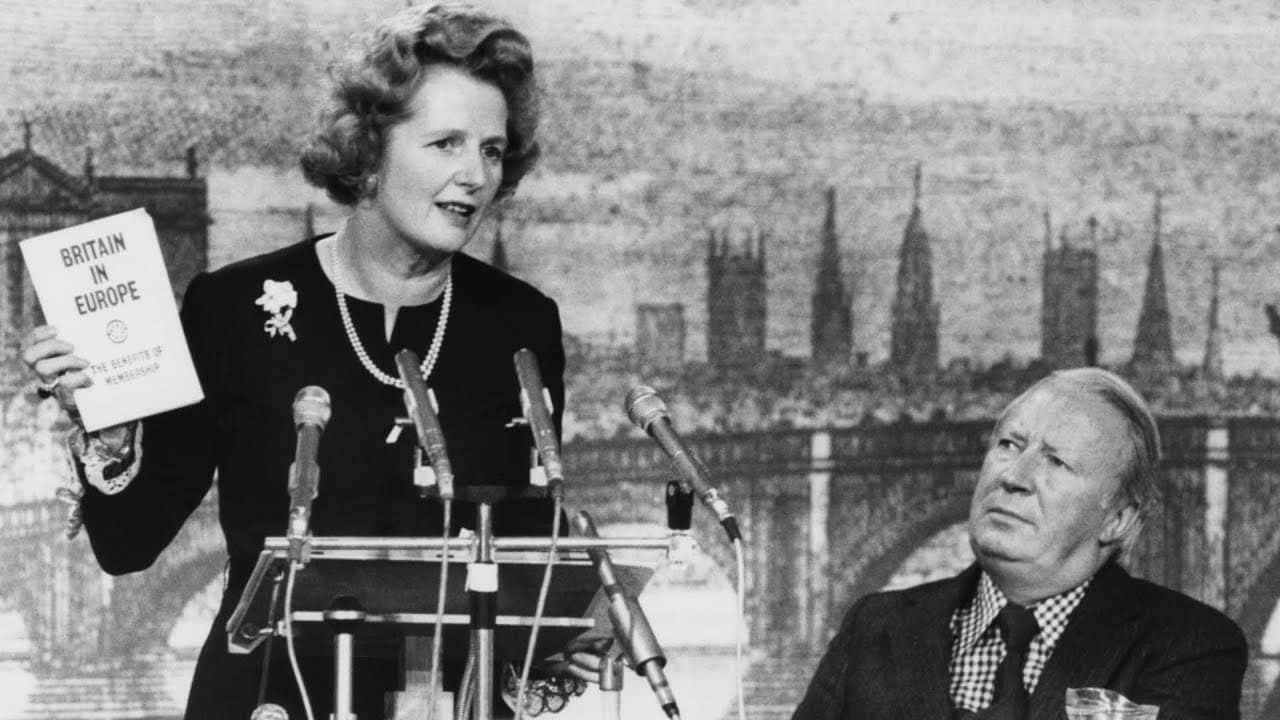
Entry into the European Community, 1971-73 - Professor Vernon Bogdanor
TL;DR
Britain's tumultuous path to joining the European community in 1973 marked by political shifts and economic challenges.
Transcript
ladies and gentlemen this is the fourth of a series of lectures on britain and europe since 1945 and this lecture will describe how britain finally entered the european community as the european union was then known in 1973 after two failed attempts now one of the remarkable features of the 1970s is that the political alignments and attitudes of th... Read More
Key Insights
- 🇪🇺 Edward Heath's pro-European stance led Britain into the European Community in 1973 despite political and economic challenges.
- 🥳 The 1970s political landscape in Britain showcased varying party attitudes towards Europe, with internal divisions and realignments affecting policy directions.
- 🏤 Economic repercussions of European entry included increased living costs, financial strains, and challenges in aligning with common agricultural and fisheries policies.
Install to Summarize YouTube Videos and Get Transcripts
Explore YouTube Video Summarizer or Get YouTube Transcript Extractor
Questions & Answers
Q: What were the key political shifts and attitudes towards Europe within the major British political parties in the 1970s?
The 1970s saw a marked reversal in party stances towards Europe, with the Conservatives initially pro-European under Heath but later turning Eurosceptic, while Labour faced internal divisions over European policies.
Q: How did the differing views on Europe lead to internal party splits and the formation of a new political party in the 1980s?
The stark divisions over Europe within the Labour Party resulted in pro-European factions breaking away to form the Social Democratic Party in 1981, leading to a new political landscape that influenced the UK's position within Europe.
Q: What were the main economic challenges faced by Britain post-entry into the European Community in 1973?
Britain encountered economic hurdles post-entry, highlighted by higher food prices and living costs, strains on national finances due to proportional contributions to the European budget, and implications of the Common Agricultural and Fisheries Policies.
Q: How did external events like the Yom Kippur War and the oil embargo impact Britain's membership in the European Community in the early 1970s?
External factors like the oil crisis following the Yom Kippur War in 1973 directly impacted Britain's economic stability, revealing underlying fissures in European solidarity and further complicating the nation's European journey.
Summary & Key Takeaways
-
Britain's entry into the European Community in 1973 marked by political alignments and attitudes shifting drastically from the present times.
-
Consistent turbulence existed within the major political parties regarding Europe throughout the 1970s.
-
Support for the European community swayed as economic turmoil and nationalistic sentiments resurfaced post-entry.
Read in Other Languages (beta)
Share This Summary 📚
Summarize YouTube Videos and Get Video Transcripts with 1-Click
Try YouTube Summary with ChatGPT & Claude or YouTube Transcript Generator
Explore More Summaries from Gresham College 📚

Summarize YouTube Videos and Get Video Transcripts with 1-Click
Try YouTube Summary with ChatGPT & Claude or YouTube Transcript Generator