Why Bosses Won't Let Offices Die
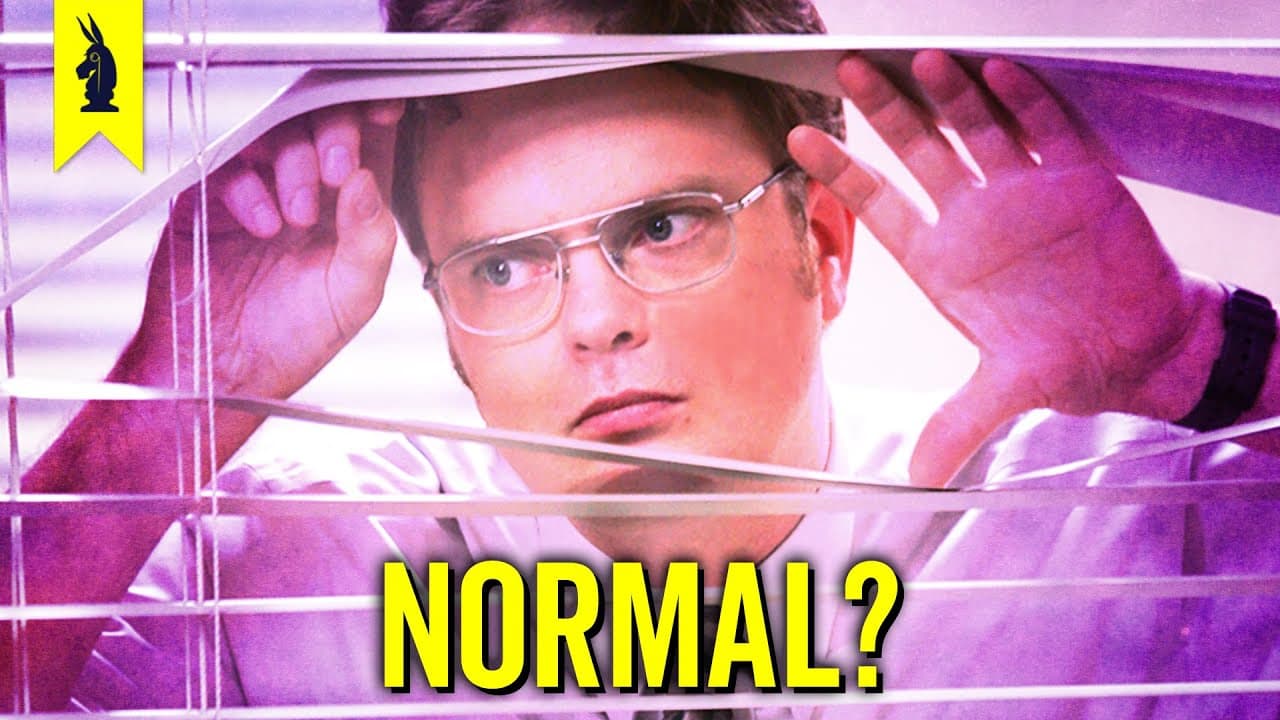
TL;DR
The shift to remote work may redefine office culture permanently.
Transcript
- [Announcer] This video is brought to you by Keeps (relaxed electronic music) - What's up, guys. Michael here. Living through the pandemic has been terrible for obvious reasons, but especially early on it was also a time of weird experimentation with fads like cocktails in coffee cups, Jackbox marathons, and codependent relationships with sourdoug... Read More
Key Insights
- 🥺 Remote work has grown substantially from 6% to 42% during the pandemic, leading to significant lifestyle and economic changes.
- 😀 Employees often find increased productivity and cost savings working from home, but many face challenges related to burnout and isolation.
- 👾 The push for a return to office spaces reflects executive concerns over maintaining company culture and spontaneous interactions.
- 💠 Historical management figures like Frederick Taylor shaped modern perceptions of employee productivity and the necessity for oversight.
- 🤗 Open office designs are intended to enhance collaboration but often backfire by increasing noise, stress, and decreased communication.
- 💦 Changes in remote work dynamics could reshape urban population patterns, affecting housing markets and community structures.
- 🫚 Many companies’ cultures are still rooted in outdated models that prioritize profits over employee well-being and inclusivity.
Install to Summarize YouTube Videos and Get Transcripts
Explore YouTube Video Summarizer or Get YouTube Transcript Extractor
Questions & Answers
Q: Why did remote work increase so drastically during the pandemic?
The pandemic forced businesses to adapt to new challenges, leading to a significant increase in remote work from just 6% to 42% of U.S. workers. As companies sought to maintain operations amidst lockdowns and health concerns, they adopted digital tools and communication methods that made remote work feasible and, in many cases, successful.
Q: What are some downsides of working from home?
While many employees enjoy the flexibility of remote work, downsides include blurred boundaries between work and personal life, with 45% of remote workers logging more hours than prior to the pandemic. This often leads to increased feelings of burnout, stress, and social isolation resulting from reduced face-to-face interactions with colleagues.
Q: How do executives justify the need for in-person work?
Executives argue that in-person work fosters collaboration, creativity, and company culture, emphasizing that spontaneous interactions in the office can lead to innovative ideas. They worry about productivity and employee engagement declining without the traditional office environment, despite evidence showing many employees thrive remotely.
Q: What historical figure influenced modern management practices?
Frederick Winslow Taylor, an early 20th-century engineer, profoundly impacted management by promoting the idea that workers are inherently lazy and need constant oversight. His principles of maximizing efficiency laid the groundwork for modern management, often leading to less employee autonomy and increased surveillance in workplaces.
Q: How have office layouts evolved, and what are the effects?
Office layouts have shifted towards open floor plans to enhance collaboration. However, studies indicate such layouts often increase stress, cause distractions, and result in less face-to-face communication. Ironically, efforts to foster creativity through open spaces have led to more employees isolating themselves with headphones.
Q: What is the potential impact of remote work on urban development?
The shift to remote work is reshaping urban dynamics, with more individuals leaving major cities for suburban areas for affordability and space. While this trend supports local economies, it also strains smaller towns lacking infrastructure and can drive up housing costs, ultimately creating new class divides.
Summary & Key Takeaways
-
The pandemic significantly increased remote work participation from 6% to 42% among U.S. workers, sparking debates about its future viability as companies push for a return to office settings.
-
Employees generally prefer remote work due to increased productivity and cost savings, but many experience burnout from blurred work-life boundaries and lack of social interaction.
-
Executives largely advocate for returning to in-person work, citing reasons like spontaneous idea generation and workplace culture, although research shows open office plans often lead to stress and decreased communication.
Read in Other Languages (beta)
Share This Summary 📚
Summarize YouTube Videos and Get Video Transcripts with 1-Click
Try YouTube Summary with ChatGPT & Claude or YouTube Transcript Generator